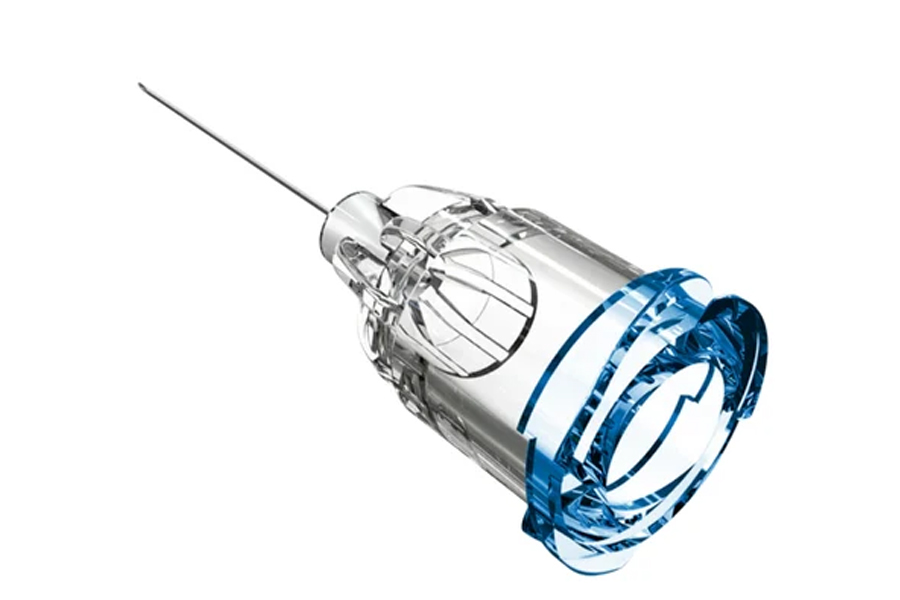
Waste is easy to ignore when it’s invisible, and dead space inside a needle hub is about as invisible as waste gets. Nobody sees the tiny pocket of leftover fluid trapped in a standard needle after an injection, but it adds up fast across hundreds of doses. The TSK Low Dead Space Needle was built to close that gap, and the numbers behind it are bigger than most people expect.
The Problem With Ordinary Needle Hubs
Every standard needle hub holds a small amount of fluid that never reaches the patient. It just sits there, trapped between the syringe tip and the needle base, and gets thrown away with the sharp. For water or saline, nobody cares. For a costly vial of botulinum toxin, an anti VEGF eye injection, or a vaccine dose, that trapped fluid is real money and real medicine going in the trash.
Just How Much Fluid Gets Wasted
| Setup | Typical Dead Space | Waste On A 0.3ml Dose |
| Standard needle and syringe | ~0.08ml | ~20% of the dose |
| Low dead space syringe, standard needle | ~0.035ml | ~11% of the dose |
| TSK Low Dead Space Needle | Close to zero | Minimal |
Those first two rows aren’t made up numbers. They come from analysis published during COVID-19 vaccine rollout, when clinics realized standard needle and syringe combinations were quietly wasting a meaningful share of every Pfizer BioNTech dose drawn up. That same math applies to any high value injectable, which is exactly the market this needle targets.
Where It Gets Used In Practice
- Ophthalmology, especially intravitreal anti VEGF injections for macular edema and placement of intraocular implants
- Botulinum toxin injections, where every fraction of a milliliter left behind is money a clinic can’t recover
- Vaccination programs, including COVID-19 vaccine administration, where dose stretching matters at a population scale
- Any high cost pharmaceutical where the drug itself costs far more than the needle delivering it
How The Hub Actually Achieves This
The engineering isn’t complicated once you see it. TSK designed the hub geometry so there’s almost no gap left between where the plunger stops and where the needle begins. External threading around the hub also keeps the connection tight under pressure, which matters because a loose or flexing hub can leak fluid that should be going into the patient instead. The hub itself is made from a hard polymer chosen specifically to resist that flexing.
Scale Changes Everything
A single wasted drop doesn’t matter much. Multiply it across a busy ophthalmology clinic doing dozens of intravitreal injections a week, or a vaccination site pushing through hundreds of doses a day, and the savings stop being trivial. TSK states its design can recover up to 0.08ml per injection that a standard hub would otherwise waste, which is the same volume researchers flagged as lost in early vaccine rollout math.
Worth Weighing Before Switching
The needle isn’t a universal fix. It’s built for high value fluids where every fraction of a milliliter counts, not for routine low cost injections where the savings wouldn’t cover the switch. For anyone administering expensive biologics regularly, though, the math tends to favor making the change, and the difference shows up clearly once a clinic tracks its own numbers over a few months instead of guessing.
A Quick Way To Test It
Run a small side by side for a month. Track how many vials a standard needle setup burns through against how many the low dead space version needs for the same patient volume. Most clinics that try this find the answer faster than they expected, usually within the first few dozen injections.