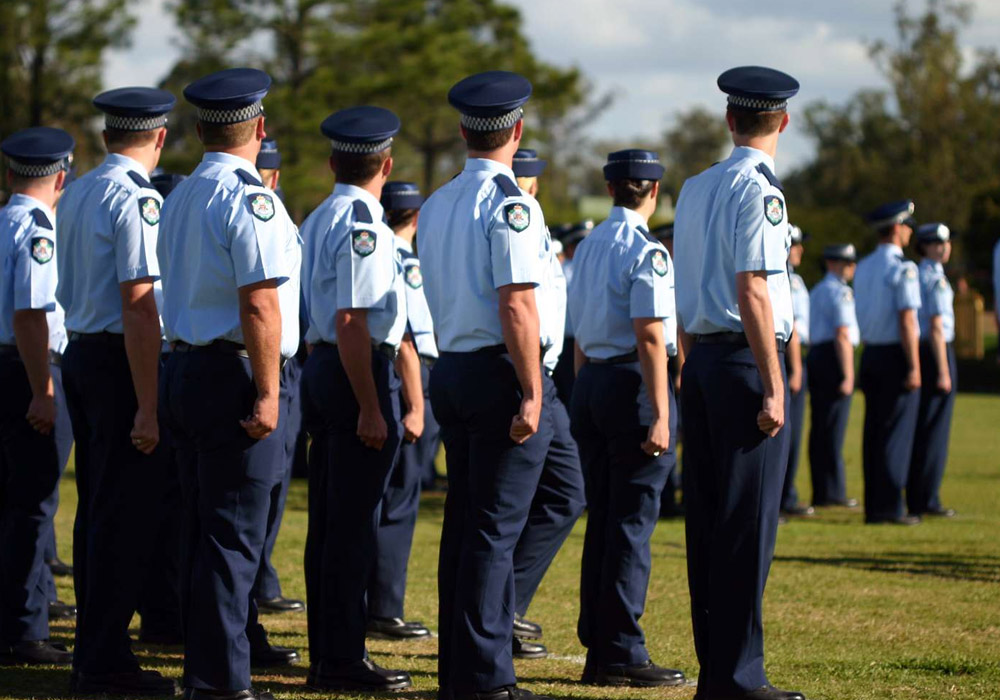
Basic law enforcement training prepares recruits for the versatile demands of a career in public safety. This comprehensive program demands discipline; cadets balance academic coursework with demanding workouts and hands-on skill development. Here is what to expect during police academy training:
Daily Physical Conditioning
Physical fitness is a regular part of training for public safety careers. Recruits complete high-intensity physical drills while working to improve their stamina and overall conditioning. These exercises introduce trainees to the physical demands associated with field work. Applicants first complete a physical resiliency assessment, after which the training program increases the intensity of physical conditioning. Cadets participate in cardiovascular runs, strength circuits, and endurance exercises during regular training sessions. The drills challenge their ability to perform physical tasks while fatigued and under pressure. Trainees work to develop strength, cardiovascular capacity, and sustained energy for physically demanding duties.
Criminal Procedure Studies
A police academy teaches recruits the principles of criminal procedure and related legal requirements. Recruits study the legal standards governing arrests, searches, evidence handling, and individual rights as part of their academic training. Instructors explain procedural requirements, and recruits apply those concepts through classroom exercises and assessments.
Cadets study constitutional protections and their relationship to law enforcement duties. As recruits progress through the coursework, they examine how legal requirements apply to decisions made during police encounters. Written tests assess their understanding of criminal procedure, and practical exercises provide opportunities to apply those concepts in training scenarios.
Hands-On Scenario Simulations
Practical training gives recruits opportunities to apply classroom knowledge during simulated field situations. Recruits complete high-intensity drills that focus on decision-making, communication, and situational awareness. Instructors introduce realistic scenarios, and trainees receive performance feedback after each exercise. Cadets practice tactical procedures while evaluating both public safety and their own positioning during an encounter. Tactical exercises require recruits to process information while responding to changing conditions. As training progresses, instructors evaluate how cadets respond to physical and mental demands within controlled scenarios. Trainees develop familiarity with field procedures, and repeated drills provide opportunities to refine their responses. This training combines physical conditioning with scenario-based practice for duties that involve demanding field situations.
Ethical Policing Curriculum
Ethical policing coursework introduces recruits to professional standards for serving the community. Recruits study fairness, accountability, and respect for individual rights as part of their academic training. Through lectures and written assessments, trainees examine how ethical principles apply to decisions made during police interactions. Cadets also review professional boundaries that shape conduct during routine duties and high-pressure encounters.
Instructors use practical scenarios to help recruits review ethical issues in different situations. Recruits learn how communication and decision-making relate to respectful treatment, while assessments evaluate their understanding of the material. The curriculum covers several areas of professional conduct, and trainees apply these concepts throughout their broader academy training. These areas include:
- Community service principles
- Cultural awareness lectures
- De-escalation communication strategies
Firearms Training Drills
Police training programs include firearms instruction as part of broader operational training. Recruits participate in structured shooting drills that cover firearm safety, handling procedures, and basic shooting fundamentals. Instructors demonstrate proper equipment handling in controlled settings, while trainees practice these procedures under supervision. Firearms training involves repeated practice with established range procedures and safety protocols. Recruits learn how to manage their equipment responsibly during training sessions, and instructors provide feedback on technique and adherence to procedures. Written instruction complements range exercises as trainees develop familiarity with firearm operation and safety requirements.
Train at a Police Academy
Police academies incorporate technology into various aspects of officer training. Recruits learn about equipment and systems that officers encounter during their duties, while instructors provide guidance on their appropriate use. Contact a reputable police training department to learn more about their programs.