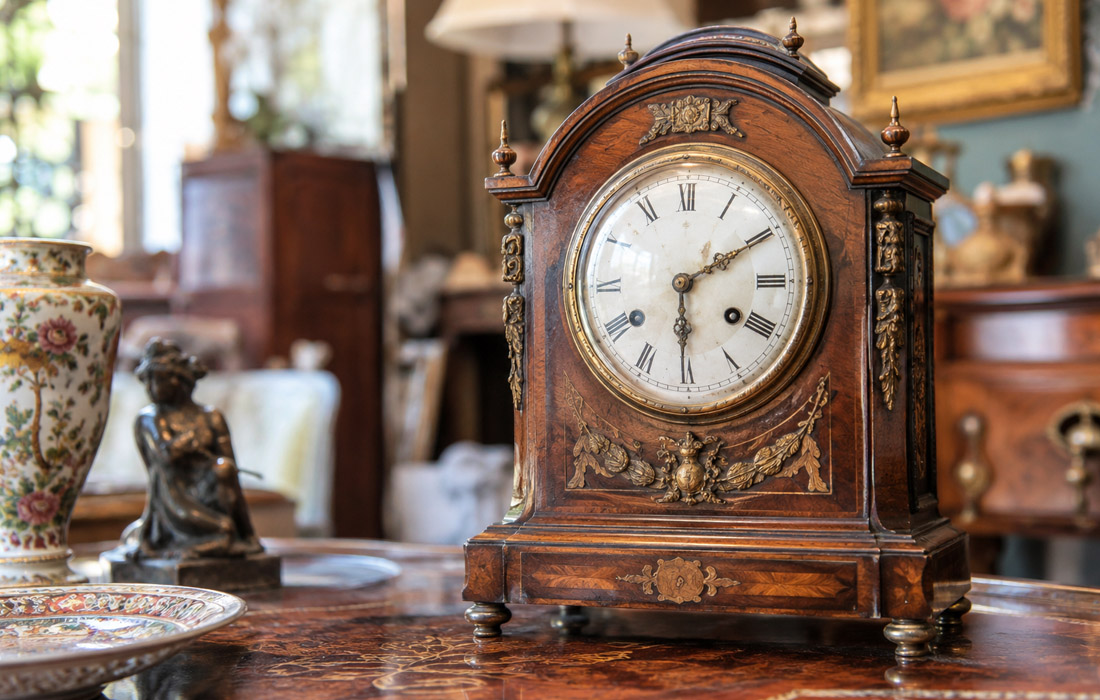
Antique clocks reward careful eyes. A well preserved movement, an honest dial, and a case with period appropriate finish can hold time and history at once, while over restoration or mismatched parts can quietly drain both value and character. If you are weighing a French mantel clock, a longcase regulator, a bracket clock, or a carriage clock, the same core approach applies: read the movement, interrogate the dial and glass, and study the casework for interventions. This article offers a practical, inspection focused guide that helps you balance originality against reliability, spot warning signs early, and make sense of acceptable repairs versus heavy handed changes that deserve a price adjustment or a pass.
Movement Types and Wear Patterns That Matter
Start with how the clock is powered and regulated. Weight driven regulators and longcase movements tend to deliver steadier force than spring driven mantel clocks; fusee driven movements, common in English bracket clocks, smooth the delivery of a mainspring and are desirable when original. Look closely at the escapement: a verge escapement in an early piece will behave and sound differently than an anchor escapement; platform escapements on carriage clocks should run without erratic flutter. Catalog pages such as Antique Clocks For Sale can be skimmed for rear plate photos; uniform oxidation on the backplate, period screw slots, and consistent pillar posts usually suggest continuity, while bright modern screws on browned plates or freshly cut bushings across many arbors may indicate heavy reworking.
Strike and chime mechanisms also tell a story. Count wheel striking, often earlier, will have a distinct wheel with notches; rack striking, later, resets each hour and can be more forgiving. Excessive wear shows up as ovalized pivot holes, visibly grooved pivots, or sloppy motion works behind the hands. Bells and gongs should match the era and case: a thin wire gong in a clock expected to strike a bell deserves questions. If inspecting in person, never wind a reluctant spring against resistance; let down power safely first. Reflected light on the plates can reveal cleaning scratches made by abrasive pads, a sign of an aggressive past overhaul.
Reading Dials, Hands, and Glass for Authenticity
Enamel dials commonly develop hairlines; a few honest hairlines are preferable to full repaints that thicken numerals and fill the sunk seconds track on regulators. Silvered brass dials may be tastefully resilvered; look for crisp, unfilled engraving and spandrels consistent with the maker and period. If a signature appears on the dial but the backplate is unsigned, consider whether it is a retailer’s name rather than a maker’s, or whether a dial swap occurred. Painted dials on longcase clocks should show age appropriate craquelure rather than a glossy, uniform modern sheen.
Hands should match both each other and the dial style. Breguet or moon hands on a simple Roman dial can clash with the period; mismatched bluing or a minute hand that barely reaches the minute track suggests replacement. Carriage clocks typically wear beveled glass; chipped edges and slight waves are consistent with age, while flat modern glass that sits proud of the bezel hints at a more recent pane. On longcase and Vienna regulators, the side and door glasses should fit snugly with even putty or beading; fresh silicone around panes is a red flag.
Casework, Veneers, and Finish: Spotting Over Restoration
Case materials carry clues. Mahogany, oak, and walnut often show medullary rays, shrinkage at joints, and a depth of color under old shellac or French polish that modern polyurethane cannot mimic. Ebonized wood should read as wood with finish, not as spray painted jet black. On French mantel clocks, gilt bronze, or ormolu, loses crispness when over polished; softened acanthus leaves and rounded edges betray buffing rather than age. Veneer repairs are normal, but repeated rectangular patches, sharp color contrasts, or missing stringing suggest significant intervention. Compare inside and back surfaces to show faces; a pristine exterior paired with dusty, uncleaned interiors often indicates restrained conservation, while glossy outsides with freshly stained insides may indicate complete refinishing.
Structural alterations matter as well. Extra screw holes under a longcase hood, filled seatboard mortises, or added bracket blocks inside a bracket clock case can point to a “marriage.” Replaced finials, new plinths, or shortened feet disrupt proportions and reduce originality. Smell and touch help: a strong scent of new lacquer, tacky finish, or uniform pore filler across carvings can expose recent work.
Are the Parts Married? Matching Movement, Dial, and Case
A “marriage” pairs components from different clocks. Sometimes it is disclosed and priced fairly; other times it lurks. On longcase clocks, check that dial feet align with the movement’s false plate and that the seatboard holes match the movement’s feet without fresh elongation. The chapter ring style, winding hole spacing, and calendar aperture should suit the movement’s layout. Vienna regulator movements should fit mounting plates cleanly, with pendulum length appropriate to the case’s length. A plausible scenario: an eighteenth century eight day movement housed in a later Victorian case with new screw blocks. If the fit is tidy and the combination historically sympathetic, it can still be a satisfying purchase at the right price, but it is not the same as a wholly original survivor.
A Practical Prepurchase Inspection Ritual
Before committing, request specific images: the backplate and any signatures; the escapement; bushing close ups; the pendulum bob and rating nut; weight shells and their suspension, chain versus gut line; and the seatboard or mounting system. Ask for a short video of the clock ticking and striking so you can listen for even beat and clean strike without double hits. Verify that the pendulum, crutch, and suspension spring belong together; a pendulum that sits too high in the case or bottoms against the glass indicates mismatch. Confirm winding key size and inspect the winding squares; rounded squares indicate heavy use. For shipping, ask how the pendulum, weights, and bell or gong will be secured, and whether the movement will be pinned or removed to prevent damage.
Once a clock arrives, set it up where temperature and humidity are stable and sunlight will not bleach the dial or case. Level a longcase front to back and side to side, and anchor tall cases discreetly to a wall for safety. Let the clock run on test for a few days before any adjustments; small beat corrections at the crutch and measured turns on the rating nut are better than hurried over corrections. Dust with a soft brush only, avoid spray polishes near the dial or movement, and plan for periodic attention from a competent horologist rather than frequent “oiling.” With a steady inspection routine and realistic expectations about age and repairs, you can choose a piece that keeps both time and its story intact.