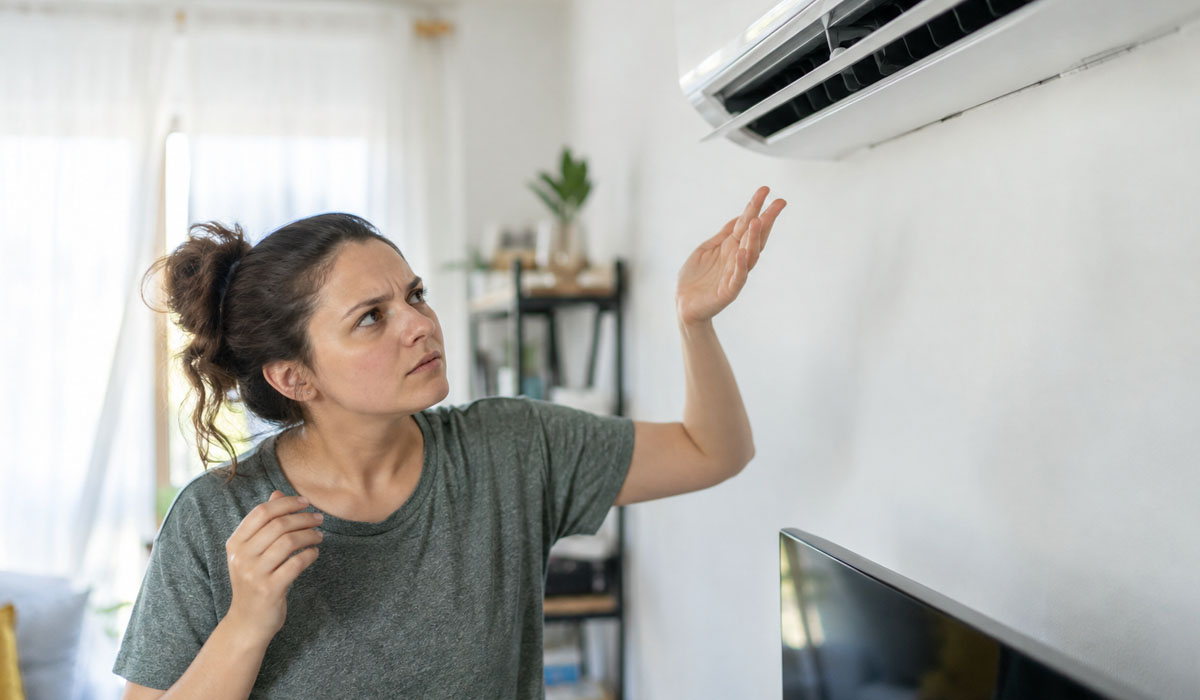
Few things are more frustrating than turning on your air conditioner on a hot day only to find it isn’t cooling your home. During the summer, a functioning air conditioning system is crucial for both comfort and safety. If your system stops blowing cold air, it could be due to several common issues. Understanding these problems can help you decide whether a quick fix will solve the issue or if it’s time to call for professional AC repair in Draper. Addressing problems early can save you from costly repairs down the line.
Dirty or Clogged Air Filters
A dirty air filter is one of the most common reasons an air conditioner stops cooling properly. Over time, filters collect dust and debris, restricting airflow. This makes your system work harder to push cool air through your home.
Restricted airflow can cause:
- Reduced cooling performance
- Higher energy bills
- Frozen evaporator coils
- System overheating
Replace your air filter every 1–3 months to maintain proper airflow and efficiency. Since dust levels can vary by season, it’s important to check your filters regularly. Clean filters ensure consistent cooling and prevent unnecessary strain on your AC unit.
Low Refrigerant Levels
Refrigerant is the substance that absorbs heat from inside your home and releases it outside. If refrigerant levels are low due to a leak, your air conditioner cannot cool effectively.
Signs of low refrigerant include:
- Warm air blowing from vents
- Ice buildup on refrigerant lines
- Hissing or bubbling sounds
- Longer cooling cycles
Refrigerant leaks need professional attention. Adding more refrigerant won’t solve the problem long-term without fixing the leak first. A technician can find and repair the leak, then safely restore proper refrigerant levels. Ignoring this issue can lead to compressor damage, one of the most expensive AC repairs.
Regular maintenance on your air conditioner plays a major role in keeping home temperatures balanced during warm weather. Homeowners looking for professional assistance with heating or cooling systems can visit our location to learn more about localized maintenance services and local repair options designed for different climates.
Frozen Evaporator Coils
Evaporator coils absorb heat from the air inside your home. If airflow is blocked or refrigerant is low, these coils can get too cold and freeze over. The ice buildup stops the coils from absorbing heat, which is why your AC might start blowing warm air.
Common causes of frozen coils include:
- Dirty air filters
- Blocked vents
- Refrigerant problems
- Running the system continuously without maintenance
If you see ice on your indoor unit, turn off the AC and let it thaw. Running it while frozen can cause serious damage. Once thawed, have a professional inspect the system to find the issue. Fixing frozen coils quickly helps avoid emergency repairs during peak summer heat.
Thermostat Issues
Sometimes the issue is not with the air conditioner itself but with the thermostat. Incorrect settings, dead batteries, or faulty wiring can prevent your system from cooling properly.
Before assuming a major repair is needed, check the following:
- Ensure the thermostat is set to “cool”
- Confirm the temperature setting is lower than the room temperature
- Replace thermostat batteries if needed
- Check for loose or damaged wiring
Upgrading to a programmable or smart thermostat boosts energy efficiency and ensures consistent cooling. Simple troubleshooting can often fix issues without major repairs.
Dirty or Blocked Condenser Unit
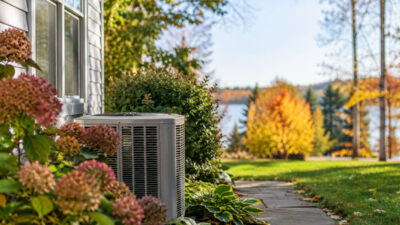
Your outdoor condenser unit releases the heat removed from your home. If the unit becomes blocked by debris such as leaves, dirt, or grass clippings, it cannot release heat effectively.
A blocked condenser may cause:
- Poor cooling performance
- System overheating
- Increased energy consumption
- Short cycling
Keep at least two feet of clearance around the outdoor unit for proper airflow. Clean debris around the condenser regularly to ensure efficient operation. Seasonal maintenance prepares your system for heavy summer use and helps prevent unexpected breakdowns.
Adapting seasonal routines to regional conditions helps protect equipment against unexpected weather changes and extended wear. Keeping up with simple routine inspections reduces overall strain on your home during peak summer or winter periods. If you ever run into complex system faults or sudden cooling failures, consulting a licensed specialist for hvac near me can help maintain steady indoor comfort and prevent minor issues from turning into severe breakdowns.
Electrical Problems or Failing Components
Air conditioning systems depend on key electrical components like capacitors, contactors, and motors, which can wear out or fail over time.
Warning signs of electrical issues include:
- System not turning on
- Frequent circuit breaker trips
- Clicking sounds without startup
- Inconsistent cooling
Electrical issues should be handled by professionals. DIY repairs can be dangerous and cause more damage. Prompt inspections ensure safety and prevent minor issues from becoming major failures.
The Importance of Regular Maintenance
Regular maintenance can prevent most cooling issues. Annual inspections help technicians spot worn components, check refrigerant levels, clean coils, and ensure proper airflow.
Regular maintenance helps:
- Improve energy efficiency
- Extend system lifespan
- Reduce repair costs
- Maintain consistent cooling
Scheduling seasonal tune-ups before summer’s peak ensures your cooling system runs smoothly when you need it most. Preventive maintenance helps reduce the risk of unexpected breakdowns.
Adapting your home maintenance routine to local climate conditions helps protect critical systems from unnecessary wear throughout the year. For cooling equipment, establishing proper care routines ensures indoor comfort remains consistent even during sudden heatwaves. Homeowners interested in learning more about proper cooling setup and maintenance schedules can continue reading to better prepare their home for seasonal temperature changes.
When to Call a Professional
If basic troubleshooting doesn’t fix your air conditioner, it’s time to call a professional. Delaying service can lead to more extensive damage and higher repair costs. A trained technician can accurately diagnose the problem and recommend the right solution. Whether it’s an issue with refrigerant, electrical components, or airflow, professional repairs will restore your comfort quickly and safely. Reliable AC repair ensures your system operates efficiently throughout the hottest months.
Conclusion
A malfunctioning air conditioner often results from common issues like dirty filters, refrigerant leaks, or electrical problems. Catching these warning signs early can prevent serious damage. Routine maintenance, simple at-home checks, and timely professional repairs can keep your system running efficiently. Staying proactive ensures your home stays cool and comfortable, even on the hottest days.