Key Takeaways for Anaheim Homeowners
- Anaheim’s warm conditions can support pest activity through much of the year.
- Leaks, damp soil, runoff, and standing water can create pest-friendly conditions.
- Older and newer homes alike can develop gaps, hidden moisture, and sheltered spaces.
- Ants, cockroaches, termites, rodents, mosquitoes, spiders, and stinging insects do not all follow the same pattern.
- Regular inspections, repairs, sanitation, and exclusion work can reduce pest pressure in Anaheim properties.
In Anaheim, California, pest activity is rarely controlled by the calendar alone. Long warm stretches, irrigated yards, shaded patios, mature landscaping, and small maintenance issues can all give insects and rodents reasons to stay close to a property.
For homeowners dealing with repeated pest issues, recurring pest control service in Anaheim can be part of a broader prevention plan. The Bugman’s Anaheim pest-control page describes local service options for common household pests, including ants, rodents, termites, spiders, and stinging insects. With service in Anaheim and nearby Orange County communities since 1958, the company is a relevant local resource when routine maintenance alone has not stopped a recurring issue.
Why Anaheim’s Local Setting Matters
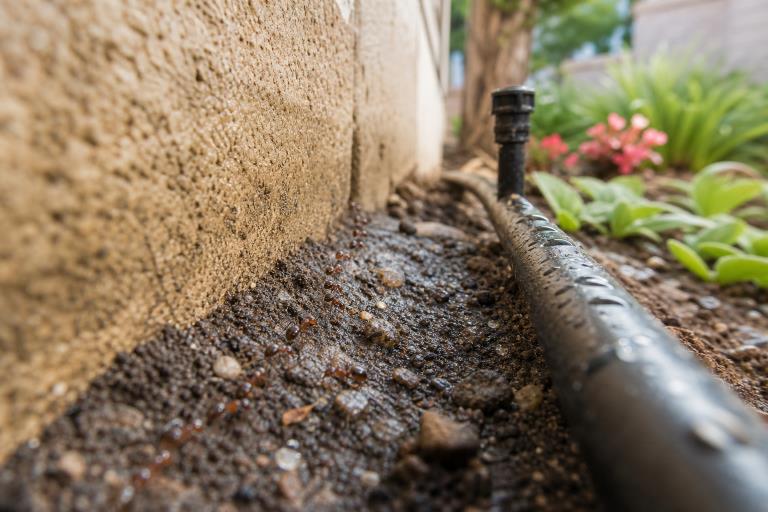
Anaheim homes range from dense residential blocks near the resort district to larger hillside properties in Anaheim Hills. The details around a home can matter as much as the neighborhood. Block walls, planting beds, patios, stored materials, rooflines, and mature trees may provide shelter or travel routes. One household may notice ants along a damp sprinkler line, while another finds signs of rodent activity near a garage, attic vent, or overgrown side yard.
Water use deserves attention for reasons beyond landscaping. Anaheim encourages residents to use outdoor water wisely and avoid waste such as runoff and unrepaired leaks.
How Heat Changes Pest Behavior in Anaheim
Hot weather does not necessarily make pests disappear. It can change where they rest and when they search for food or water. During dry, sunny conditions, pests may favor shade, cooler foundation edges, wall voids, garages, attic spaces, drains, and plumbing areas. Activity can also shift quickly after a heatwave, a change in watering schedules, or a weather transition.
- Antsmay form trails along shaded foundations, windows, plumbing penetrations, and irrigation zones.
- Cockroachesmay be found around kitchens, drains, utility rooms, garages, and other areas with moisture or food residue.
- Spidersoften occupy quiet, shaded places such as eaves, garages, storage areas, and patio furniture.
- Rodentsmay move closer to buildings when outdoor food, water, or shelter is limited.
The Role of Irrigation and Moisture in Anaheim Pest Problems
Moisture is often the overlooked piece of a pest problem. A small leak or an overwatered planting bed can attract insects near a structure, while a dripping faucet or condensation line can provide pests with a reliable water source. Check sprinkler heads, valves, hose bibs, gutters, downspouts, air-conditioning condensate areas, mulch, and soil next to the foundation.
A simple daytime irrigation test is useful. Run each zone and watch for broken heads, runoff, pooling, overspray, or wet soil that remains against the home. Also, inspect plant saucers, buckets, toys, pool covers, and other items that catch water.
Why Home Design Can Affect Pest Problems in Anaheim
Older Anaheim homes may have worn weatherstripping, loose screens, cracks, roofline openings, aging plumbing penetrations, crawl spaces, or gaps around utility lines. Attached garages, attics, and storage areas can become a quiet shelter when clutter, food, moisture, or access points are present.
Newer homes are not immune. Openings can form around doors, vents, solar equipment, exterior cables, and landscape transitions. Wood touching soil, damp framing, poor drainage, and neglected exterior repairs may also raise concerns about termites or other moisture-related issues. Home age matters less than routine maintenance and the conditions surrounding the structure.
Anaheim’s Seasonal Pest Calendar
This is a general guide rather than a rigid forecast. Weather, landscaping, construction activity, irrigation, and nearby open space can change timing from one property to the next.
- Winter:Cooler nights can make indoor shelter more appealing to rodents, spiders, and cockroaches.
- Spring:Ant activity may become more noticeable, termite swarmers may appear, and stinging insects may begin establishing nests.
- Summer:Heat can increase attention to moisture sources, patios, pool areas, mosquitoes, cockroaches, spiders, and yellowjackets.
- Fall:Shorter days and changing temperatures can draw rodents and insects into protected wall voids, garages, and attics.
Common Pests and the Clues They Leave Behind
Ants and Cockroaches
Ant trails near windows, doors, pipes, foundations, and sprinklers may point to an outdoor source rather than a single indoor spill. Cockroaches can be associated with food scraps, drains, cluttered utility areas, and moisture. Seeing one does not confirm a large infestation, but it is a reasonable prompt to inspect nearby hiding areas.
Termites, Rodents, and Mosquitoes
Termite warning signs can include discarded wings, mud tubes, hollow-sounding wood, or small piles of frass. Rodent clues include droppings, gnaw marks, nesting material, scratching noises, and greasy rub marks near travel routes. Mosquitoes often breed in standing water and around poorly maintained screens. Document suspected termite evidence or recurring pest locations before disturbing them.
A Practical Anaheim Home Pest Check
- Walk the foundation and note gaps, cracked screens, damp soil, and damaged caulking.
- Inspect irrigation, outdoor faucets, gutters, drains, and condensate lines.
- Move cardboard, firewood, and stored materials away from exterior walls.
- Seal openings around pipes, cables, doors, garage corners, and vents.
- Trim branches and shrubs away from siding and rooflines.
- Check garages, attics, and crawl spaces for webs, droppings, odors, or damage.
- Record where pests appear and the conditions present at the time.
When Professional Help May Be Needed in Anaheim
Do-it-yourself repairs are valuable for preventive maintenance and minor repairs, but persistent signs warrant closer attention. Consider a professional inspection for repeated ant trails with no obvious source, scratching in walls or ceilings, visible termite evidence, stinging insects near entrances, bed bug signs, rodents in living areas, or mosquitoes that continue after standing water has been removed.
Questions Anaheim Homeowners Often Ask
Can Anaheim homes have pest problems during winter?
Yes. Mild conditions can allow some pests to remain active, while others seek indoor shelter, food, or moisture during cooler nights.
Does a dry yard mean fewer pests in Anaheim?
Not always. Dry conditions can push pests toward irrigated beds, shaded spaces, and water sources around a home.
How often should standing water be checked?
Check weekly, with extra attention after rain, during irrigation problems, or after outdoor gatherings.
Conclusion
In Anaheim, heat, watering habits, landscaping, and home maintenance work together to influence pest activity. A short weekly inspection can uncover leaks, standing water, gaps, and shelter before they become larger problems. When activity continues despite cleaning, repairs, and exclusion work, a focused inspection can help identify the conditions that need to change.