Reclaimed wood has a distinctive ability to change the atmosphere of an interior without making the space feel artificial or overly decorative. Its natural imperfections, visible grain, variations in colour and marks from previous use give rooms a sense of history that is difficult to achieve with newly manufactured materials.
This makes reclaimed timber suitable for far more than traditional rustic interiors. It can become part of minimalist apartments, industrial lofts, contemporary houses, classic residences and sophisticated hospitality spaces. The key is not the age of the material itself, but how it is introduced into the overall design.
Specialist suppliers such as Antik-Holz work with reclaimed floorboards, panels, beams and doors that can be incorporated into both interior and exterior projects. The company has been active on the international market since 2011 and supplies reclaimed timber to architects, designers, contractors and other professional customers across Europe.
Rustic and Country Interiors
Rustic interiors are perhaps the most obvious setting for reclaimed wood. The natural imperfections of old timber complement the relaxed character associated with country houses, cottages and rural properties.
In this type of interior, reclaimed boards can be used for flooring, wall cladding or ceilings. Old beams can remain visible as architectural features, while reclaimed timber furniture can reinforce the connection with traditional craftsmanship.
The important advantage is that genuine reclaimed wood already possesses the characteristics that rustic interiors try to reproduce. Weathered surfaces, irregular colouring and visible marks provide authenticity without requiring artificial distressing.
Antik-Holz offers reclaimed boards and wall cladding made from old spruce, fir and pine, including naturally weathered surfaces in brown, grey and mixed tones. These materials can create a rustic atmosphere while remaining suitable for contemporary construction and interior projects.
Modern Rustic Interiors
The combination of modern architecture and aged timber has become increasingly popular because the two aesthetics provide a natural contrast.
Modern interiors tend to rely on clean lines, restrained colours and simple architectural forms. Reclaimed wood introduces warmth, texture and visual history into this otherwise controlled environment.
A contemporary kitchen, for example, can combine smooth cabinetry and stone worktops with a reclaimed timber island. A minimalist living room can use an old wooden floor as its main source of texture. Large windows and concrete surfaces can be balanced by reclaimed timber doors or exposed beams.
Antik-Holz specifically highlights the compatibility of reclaimed timber with both contemporary and traditional interiors. Its reclaimed wood products can therefore act as an architectural material rather than simply a decorative accessory.
Industrial Interiors
Industrial design is another natural environment for reclaimed timber.
The style traditionally combines exposed structures, metal, concrete, brick and other raw materials. Reclaimed wood introduces a warmer element into this relatively hard material palette.
A reclaimed timber dining table with a steel frame can become a strong focal point in an industrial kitchen. Old boards can be used as wall cladding alongside exposed brick. Reclaimed beams can reinforce the architectural character of a loft conversion.
Sliding doors made with reclaimed timber can also work particularly well in industrial spaces. Antik-Holz produces reclaimed wood sliding doors designed to suit industrial lofts as well as minimalist contemporary, rustic and classic interiors.
The contrast between aged timber and black metal is particularly effective because the materials have very different visual qualities. One provides warmth and irregularity, while the other introduces structure and precision.
Minimalist Interiors
At first glance, minimalism and reclaimed wood might seem difficult to combine. Minimalist interiors usually focus on clean surfaces and limited decoration, while old timber often contains visible imperfections.
In practice, however, the contrast can make both elements more effective.
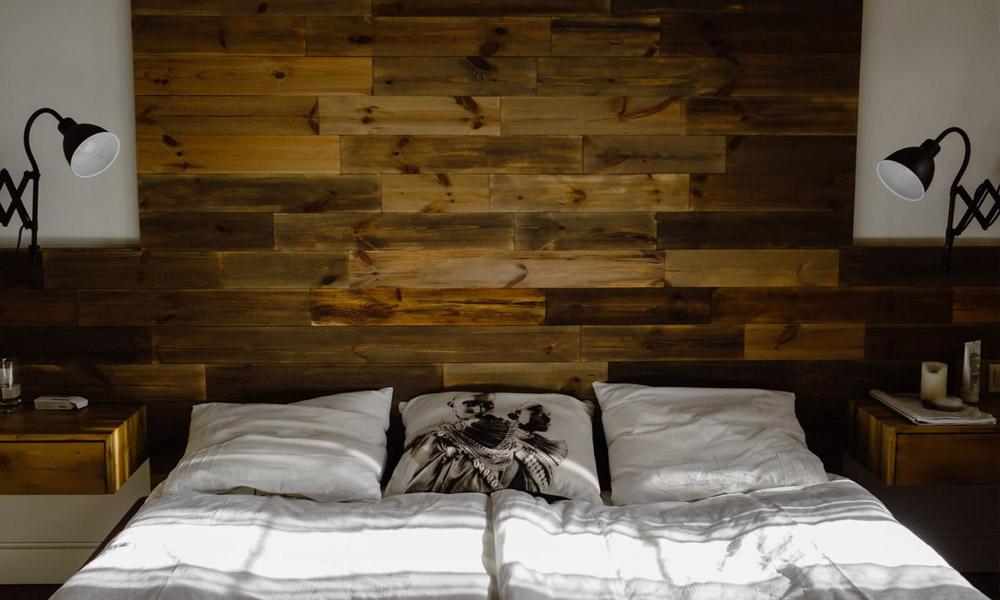
A single reclaimed wood wall can provide enough texture to prevent an otherwise minimalist room from feeling sterile. Similarly, an old timber floor can add warmth without introducing additional decorative objects.
The most important principle is restraint. Instead of covering every surface with reclaimed timber, designers can select one or two architectural elements and allow them to become the focus of the space.
Reclaimed wood interior doors can also work particularly well in minimalist interiors. Antik-Holz offers door designs ranging from clean, contemporary forms to more traditional models, with reclaimed timber used as the visible surface of the door leaf.
Japandi Interiors
Japandi combines elements of Japanese and Scandinavian design. Both traditions favour simplicity, natural materials and functional objects, making reclaimed timber a natural addition to this aesthetic.
The most suitable reclaimed wood for a Japandi interior tends to have a relatively restrained appearance. Warm natural tones, subtle grey colouring and visible grain can complement pale walls, linen textiles, natural stone and simple furniture.
Rather than creating a rustic atmosphere, reclaimed timber can be used to introduce depth into an otherwise quiet interior.
A reclaimed wood dining table, simple wall panel or wooden door can provide enough character without disrupting the clean composition associated with Japandi design.
Wabi-Sabi Interiors
Wabi-Sabi places particular value on imperfection, natural ageing and the beauty of materials that change over time. Reclaimed timber therefore fits this philosophy exceptionally well.
Cracks, knots, colour variations and traces of previous use can become important aesthetic features rather than defects.
The best approach is often to preserve the material’s original character rather than attempting to make it look perfectly uniform. A reclaimed floor with naturally varied boards can become the foundation of the room, while a wall made from weathered timber can serve as a subtle architectural focal point.
The result does not have to look rustic. Wabi-Sabi interiors can remain highly contemporary when reclaimed wood is combined with plaster, stone, glass and simple furniture.
Scandinavian Interiors
Scandinavian interiors are associated with light colours, natural materials and functional design. Reclaimed timber can complement this aesthetic particularly well when its colour and texture are carefully selected.
Aged wood introduces warmth without requiring strong decorative elements. It can be used for flooring, furniture, shelving or individual architectural details.
The combination of pale walls, soft textiles and weathered timber can create a comfortable interior with a natural appearance.
In this setting, reclaimed wood works best when the surrounding elements remain relatively simple. The material already provides texture, so excessive decoration is rarely necessary.
Farmhouse Interiors
Farmhouse design shares many characteristics with rustic interiors but tends to place greater emphasis on comfortable living spaces, traditional forms and practical materials.
Reclaimed timber can be used for dining tables, kitchen islands, shelves, ceiling elements and flooring. Old beams can also help reinforce the architectural character of a farmhouse renovation.
The advantage of using authentic reclaimed wood is that the surface does not need to be artificially aged. Its previous life is already visible in the material.
This can be especially effective in renovated rural properties where the goal is to preserve some connection with the building’s history while introducing modern functionality.
Vintage Interiors
Vintage interiors often combine furniture and decorative elements inspired by previous decades. Reclaimed wood can strengthen this atmosphere because it naturally carries signs of age.
An old timber floor can complement vintage furniture, while reclaimed shelves or doors can introduce another layer of character.
The material can also be combined with brass, leather, ceramics and patterned textiles. These elements help create a warm and personal interior without making the room look like a historical reconstruction.
The most successful vintage spaces tend to combine old and new elements rather than relying exclusively on period-style furniture. Reclaimed wood provides an authentic connection to the past while modern lighting, appliances and furniture keep the interior practical.
Contemporary Interiors
Reclaimed timber is also suitable for highly contemporary architecture.
In a contemporary house, aged wood can be used specifically because it contrasts with the clean geometry of the building.
Large glass surfaces, smooth concrete, stone and minimalist furniture create an ideal background for the irregular texture of old timber. A reclaimed wood wall or staircase can become the visual anchor of the interior.
Antik-Holz describes its reclaimed timber as suitable for styles ranging from sleek contemporary spaces to traditional rustic interiors. Its product range includes boards, panels, beams and doors that can be incorporated into different architectural concepts.
This flexibility is one of the reasons reclaimed timber has moved beyond its traditional association with country-style interiors.
Luxury Interiors
Luxury interiors increasingly rely on natural materials and craftsmanship rather than excessive decoration. Reclaimed timber can contribute to this approach by adding authenticity and individuality.
A large reclaimed wood dining table can become the centrepiece of a high-end dining room. Custom wall panels can create a distinctive hotel lobby. Aged timber doors can provide a subtle architectural detail in a luxury residence.
The key is precision. Luxury design requires carefully selected materials and high-quality processing. The imperfections should appear intentional and authentic rather than poorly finished.
Antik-Holz positions its reclaimed timber specifically for professional applications, including luxury interiors and larger commercial developments. The company states that each piece undergoes careful selection and processing to combine the character of aged timber with the quality expected in professional projects.
Hotel and Hospitality Interiors
Hotels, restaurants and other hospitality spaces can benefit significantly from reclaimed timber.
These projects often need a strong visual identity. Guests should be able to recognise the atmosphere of a hotel or restaurant immediately, and authentic materials can contribute significantly to that experience.
Reclaimed wood can be used in reception areas, restaurant walls, bars, ceilings, flooring, doors and furniture. It can also be combined with contemporary lighting and furniture to create a distinctive atmosphere.
Antik-Holz’s reclaimed 3D wall panels, for example, are designed for applications including hotels, restaurants and luxury residences. The panels use genuine reclaimed timber with naturally weathered textures and mixed tones, creating depth and visual movement on interior walls.
Classic and Traditional Interiors
Reclaimed timber is equally suitable for classic interiors.
Traditional homes often benefit from materials that have a visible connection to craftsmanship. Old wooden floors, doors, beams and furniture can reinforce this character without requiring excessive decoration.
The material works particularly well alongside traditional architectural features such as fireplaces, mouldings and panelled walls.
Reclaimed wood doors can be particularly effective here. At the same time, they do not have to follow a purely traditional design. Antik-Holz produces reclaimed wood interior doors in both classic and contemporary forms, demonstrating how the same material can adapt to very different architectural languages.
Coastal and Natural Interiors
Reclaimed timber can also be used in interiors inspired by coastal or nature-focused design.
Greyed and weathered boards can complement soft blue, white, sand and neutral colours. The naturally aged surface can suggest the appearance of timber exposed to the elements without requiring a heavily themed nautical interior.
A reclaimed timber wall, ceiling or piece of furniture can introduce an organic quality that works well with linen, stone, rattan and other natural materials.
Here again, the key is moderation. A few carefully chosen timber elements are generally more effective than covering the entire interior in weathered wood.
How to Choose Reclaimed Timber for Different Styles
The style of the interior should influence the type of reclaimed timber selected.
A rustic or farmhouse project may benefit from heavily weathered boards with strong variations in colour and visible marks. A minimalist or contemporary project may work better with more consistent boards where the natural texture remains visible but the overall composition is controlled.
For industrial interiors, darker timber can create an effective contrast with steel and concrete. Scandinavian and Japandi spaces often benefit from lighter and warmer tones.
The dimensions of the material matter as well. Wide floorboards create a different effect from narrow wall boards. Large reclaimed beams can become architectural features, while smaller boards can be used for furniture or decorative panels.
Working with a specialist supplier makes it easier to select materials according to the requirements of a particular project. Antik-Holz provides reclaimed floorboards, panels, beams and doors and works with architects, designers and contractors on professional projects.
Can One Material Work Across Different Interior Styles?
One of the most interesting characteristics of reclaimed timber is its versatility.
The same basic material can produce completely different results depending on its surroundings. A weathered oak or softwood surface can appear rustic when combined with traditional furniture, industrial when paired with steel, or contemporary when surrounded by minimalist architecture.
This means designers do not necessarily need to search for a different material for every aesthetic. The finish, colour, dimensions and context can change the way the wood is perceived.
Antik-Holz’s range illustrates this versatility. Its reclaimed timber products are intended for both traditional and contemporary applications, while its doors and wall panels can be incorporated into several different architectural styles.
Why Choose a Specialist Reclaimed Timber Supplier?
The quality of reclaimed timber depends heavily on how the material is selected and processed.
Old boards may have different dimensions, levels of weathering and previous uses. Professional processing can preserve their visual character while preparing them for contemporary applications.
For architects and contractors, supply consistency is also important. Large projects may require timber across several rooms or buildings, making it difficult to rely on individual salvaged pieces from unrelated sources.
Antik-Holz has specialised in reclaimed timber since 2011 and supplies customers across Europe. Its product range includes old floorboards, panels, beams and doors, while the company also provides tailor-made solutions for wholesale customers and professional architectural projects.
Reclaimed Timber as a Sustainable Design Choice
The aesthetic versatility of reclaimed timber is complemented by its environmental value.
Reclaimed wood is recovered from existing buildings, barns, floors, beams and other wooden structures. After selection and processing, the material can be given a new purpose rather than being discarded.
This approach extends the useful life of existing timber and reduces the need for newly harvested material. It also fits naturally into projects where material reuse and circular design are important considerations.
For designers, this means sustainability does not have to come at the expense of visual quality. Reclaimed timber can provide a genuine material history while contributing to a more responsible approach to interior design.
Conclusion
Reclaimed timber can be incorporated into almost any interior style when it is selected and used appropriately. Rustic and farmhouse interiors make its aged character particularly visible, while industrial spaces benefit from the contrast between timber, metal and concrete.
In minimalist, Scandinavian, Japandi and Wabi-Sabi interiors, reclaimed wood introduces warmth and texture without requiring excessive decoration. Contemporary and luxury spaces can use it as a deliberate contrast to glass, stone and concrete, while classic and vintage interiors can use its natural patina to reinforce a sense of history.
The most important factor is not choosing a style that “allows” reclaimed wood. It is choosing the right type of timber, finish and application for the character of the space.
For architects, designers and contractors looking for carefully selected material for professional projects, reclaimed timber from Antik-Holz offers a broad range of possibilities, from old floorboards and wall panels to beams and reclaimed wood doors. With its experience in processing reclaimed timber since 2011 and its focus on professional customers, Antik-Holz can provide materials that combine authentic character with the quality required for contemporary architectural projects.