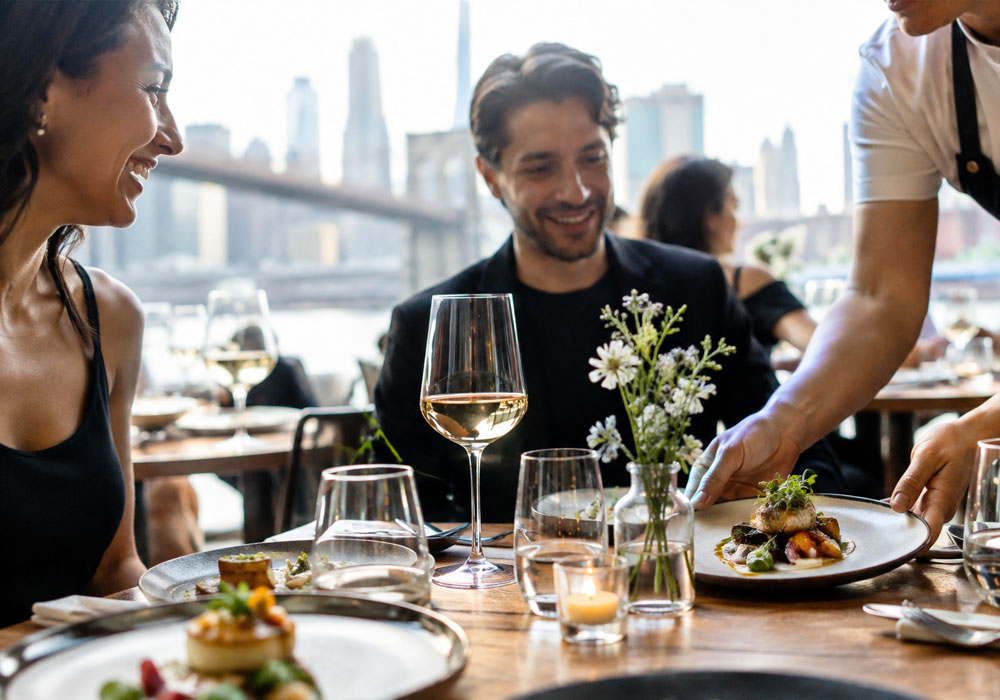
A special-occasion dinner at an upscale Brooklyn restaurant often revolves around a tasting menu, a set progression of courses designed to highlight technique, seasonality, and the chef’s point of view. Because the evening is carefully choreographed, a little planning can make a significant difference. From reservation windows and seating formats to dietary requirements, wine choices, and house policies, the details you confirm before booking can shape everything from your seat to the meal’s pace. This guide focuses on practical decisions that can shape your evening, with realistic examples for couples, small groups, and anyone planning a meal centered on a multi-course menu in an intimate dining room or at a chef’s counter.
Time Your Reservation: Booking Windows, Waitlists, and Seating Formats
Popular tasting menu restaurants often open reservations according to a set schedule. Some release an entire month of tables at once, while others use a rolling window that opens reservations one day at a time. If you are considering upscale restaurants in Brooklyn, check how far in advance each restaurant accepts bookings and set a calendar reminder for the release time. Counter seats may disappear quickly, so have a backup plan if your preferred seats are unavailable. For an anniversary, for example, a couple hoping for seats at the chef’s counter might also reserve a later table and join the waitlist for counter seats. If the waitlist opens up, cancel the other reservation promptly so the restaurant can offer it to another guest.
The reservation time also affects the evening’s atmosphere. Earlier seatings may be quieter and more convenient if you have plans the following morning. Later seatings can feel livelier and may allow more time to enjoy the evening without watching the clock. There are trade-offs to consider. The final seating may continue late into the evening, while the earliest seating may follow a slightly more structured pace to keep the dining room on schedule. If you need transportation, account for subway delays or traffic near bridge crossings. During winter, allow a few extra minutes for coat check so you can arrive relaxed and ready for the first course.
Share Dietary Needs Early and Precisely
Tasting menus are designed as a sequence, so clear dietary information gives the kitchen more time to make appropriate adjustments without disrupting the flow. Share allergies and strict dietary restrictions when you make the reservation rather than waiting until you arrive. Be precise. Saying that you have celiac disease and must avoid gluten exposure provides more useful information than simply saying gluten-free. Similarly, saying that you avoid mollusks but can eat fin fish gives the kitchen clearer guidance than saying you do not eat seafood.
Some kitchens may accommodate pescatarian or dairy-free requests with advance notice, while others may not be able to alter a fixed tasting menu significantly. If cross-contamination is a serious concern, confirm the restaurant’s capabilities directly, particularly for allergies involving nuts, shellfish, soy, or gluten.
Consider the needs of the entire group before making a reservation. A party of four with one vegan guest may find that a seafood-focused tasting menu offers limited flexibility. In that situation, ask whether the restaurant can provide a separate plant-focused progression or whether another menu or dining format would be more suitable. Avoid assuming that the kitchen can redesign several courses without advance notice. Clear communication before the meal helps both guests and staff prepare appropriately.
Understand Tasting Menu Pacing and Plan the Rest of the Evening
Expect a deliberate rhythm throughout the meal. Many tasting menus begin with a small opening course, then progress through seafood, vegetable, or lighter dishes before moving to richer courses, palate cleansers, and desserts. Bread service and optional additions such as caviar or truffles can extend the overall dining time. Plan for approximately two to three hours and avoid scheduling something immediately after dinner.
If you are pairing the meal with a show or another timed event, an earlier seating may provide more flexibility. Consider skipping optional courses if the restaurant says it will extend the meal significantly. If you have a firm departure time, tell the staff politely at the beginning of the meal so they understand your schedule.
How you arrive can also affect your experience. Arriving extremely hungry can make the smaller opening courses feel less satisfying, while eating a heavy meal beforehand can dull your appetite by the time richer dishes arrive. A light afternoon snack and regular hydration can help you arrive comfortably hungry.
Punctuality matters with tasting menus because the kitchen may coordinate several courses across the entire dining room. Late arrivals can disrupt that sequence. If a subway delay, traffic problem, or transportation issue occurs, contact the restaurant as soon as possible so the staff can tell you how they can accommodate the delay.
Choose a Beverage Strategy: Pairings, Bottles, or Alcohol Free Options
A sommelier pairing can emphasize discovery by matching individual pours with the acidity, texture, richness, or savory qualities of each course. Choosing a bottle instead gives you more control over style and pace and may offer better value depending on the restaurant and wine selected. The main tradeoff is variety versus continuity. A pairing introduces several wines in smaller portions, while a bottle allows you to experience one wine as it develops throughout the meal.
If you prefer less alcohol, ask whether smaller pours, alcohol-free pairings, or zero-proof cocktails are available. Glassware, serving temperature, and timing often fit the meal, so discussing your preferences with the sommelier early can help the beverage service complement the food.
If you want to bring a meaningful bottle from home, confirm the corkage policy before your visit. Ask whether outside bottles are permitted, whether there is a limit per table, and whether restrictions apply if the restaurant already carries the same wine. Policies vary considerably, so never assume that outside wine will be accepted.
At the beginning of the meal, you can also clarify whether you prefer still or sparkling water. If caffeine late in the evening affects your sleep, request decaffeinated coffee or herbal tea when dessert service begins so the staff can coordinate it with the final courses.
Etiquette and Policies That Shape the Night
Dress codes vary by restaurant, but polished attire is generally a safe choice even when jackets are not required. Strong fragrance can interfere with delicate aromas in wine, broths, and other dishes, so lighter fragrance or none at all is considerate in an intimate dining room.
Photography policies also differ. Many restaurants allow quick photos without flash, while extended videos near an open kitchen can distract staff and other diners. Keep phone use brief and preferably between courses. If you are celebrating an anniversary, birthday, or another occasion, mention it when booking. Avoid decorations such as confetti or large table items that may interfere with service areas or the layout of a chef’s counter.
Review the restaurant’s policies carefully before confirming the reservation. Fixed menu pricing may not include optional supplements, beverages, taxes, or service charges. Some restaurants include a service charge, while others leave gratuity to the guest. Credit card guarantees are common at restaurants with limited seating, and cancellation fees may apply if plans change too close to the reservation time.
Read the confirmation message for cancellation or rescheduling deadlines and add the cutoff to your calendar if necessary. If illness or another unexpected issue occurs on the day of the reservation, contact the restaurant promptly. Early notice gives the restaurant a better chance to offer the table to someone on the waitlist.
Thoughtful planning helps align your expectations with the kitchen’s approach. You secure seating that fits your evening, give the restaurant time to prepare for dietary needs, and allow the courses to unfold without unnecessary pressure. Decide whether you prefer a pairing, bottle, or alcohol free option, review the restaurant’s policies, and leave enough time to enjoy the experience. A few decisions made before the reservation can lead to a more relaxed meal where the food, drinks, atmosphere, and conversation all have room to take center stage.