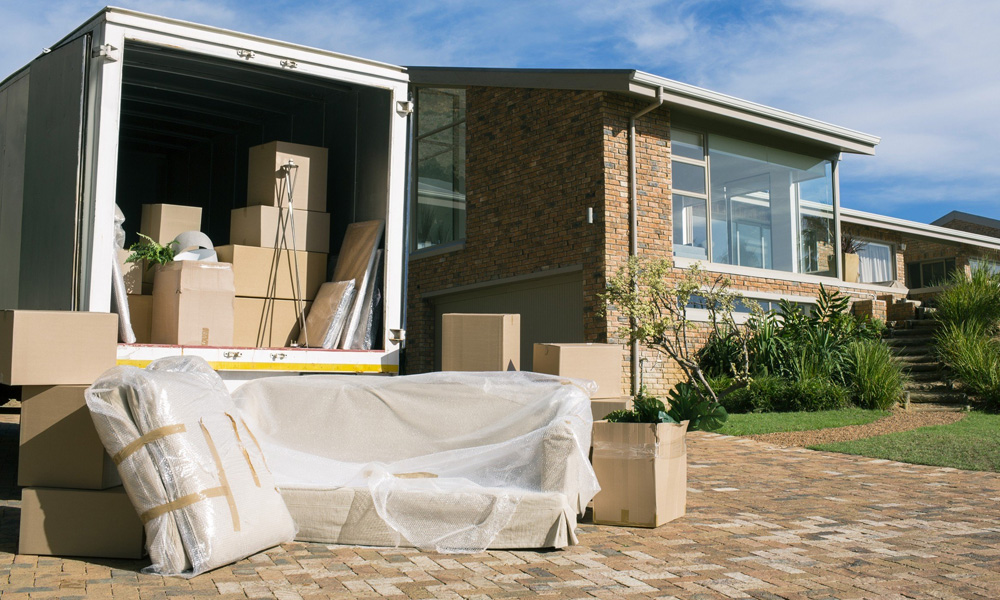
A good moving checklist helps your new place feel livable sooner. Putting tasks in order, with owners and dates attached, means you spend less time deciding what to do next and more time settling in.
Small mistakes delay feeling at home
Most moving headaches aren’t about strength or smarts. They’re about order. The phone dies because no one kept a charger within reach. The first morning starts without toilet paper or hand soap because those boxes got buried. Movers stand around while someone hunts for parking permits or keys because pickup times were never locked in.
Clear labels and an early sort-out help prevent that. Give each box a room and a priority mark, such as “bedroom, open first,” so you don’t open six boxes to find sheets. Declutter before packing, setting aside clothes and kitchen gear to donate, sell or discard. Tell the movers what you plan to take so their estimate reflects the belongings you actually need transported.
Put contract checks on the moving checklist instead of trusting memory. Include a reminder to confirm the estimate and delivery window in writing. Add another task to review the mover’s liability coverage, any additional protection you want, and who to call if the truck runs late. Arrange power and water for your move-in date, then check that they work when you have access to the home.
Don’t leave the old place off the checklist. Follow your lease or sale agreement on cleaning and repairs rather than assuming every nail hole needs patching. Return keys and remotes as agreed, and keep photos of each room in case questions about its condition come up later.
Build a timeline before you pack
Start your moving checklist before you pack a single box. Early weeks are for decluttering and booking movers, when you still have time to compare quotes and drop off donations. Those decisions shape costs and timing for everything that follows. A timeline like the one from Capstone Homes that runs from eight weeks to after the move is a helpful model because it separates those early jobs from later ones like utility transfers and address changes. Closer to the date, you shift to packing and labeling boxes, then confirming pickup times. After the move, you handle follow-up tasks like cancelling old service and checking that new service is billed correctly.
Order matters here. Coordinate your internet installation with the date you can access the home, and keep cleaning supplies available until you’ve finished cleaning the old place.
Address updates deserve their own section on the list. Arrange mail forwarding and update banks, payroll, subscriptions and pharmacy records with the appropriate effective date. Remember that forwarding mail doesn’t update each sender’s records. Schedule old utility shutoffs around your lease or sale obligations, and arrange new service for when you need it. Save confirmation numbers and check the first bills from both addresses for unexpected dates or charges.
Script the first two nights
Pack a first-night essentials box and keep it with you, not on the truck. Include phone chargers, medications, toilet paper, soap, towels, bedding and a change of clothes. Keep it manageable: each person can carry a small overnight bag while shared supplies go in the box. You’ll have what you need to wash and sleep without digging through your belongings at 11 p.m.
Unpack by priority, not by box number. Start with bathrooms and bedrooms so everyone can wash and rest, then tackle enough of the kitchen to prepare coffee and simple meals.
Keep tools and cleaning basics handy for those first fixes. A screwdriver takes care of loose handles, while trash bags give leftover packing a place to go. Paper towels and all-purpose spray let you wipe shelves before food goes in. You won’t unpack everything, but you’ll make the things you use daily ready to use.
Share the work and match the list to your home
In a shared household, give each task an owner and a date. One person can handle the mover contract, including liability coverage and pickup times, while another manages address updates. Kids can label their own boxes, and helpers can check closets and cabinets for forgotten items. If you’re moving alone, use the same approach to track deadlines and any jobs you’ve delegated. Keep confirmations beside each task so you can see what’s arranged and what still needs attention.
Adapt a generic list to the details of your home. For a rental, include the required cleaning tasks and photos documenting its condition. For a resale or new build, keep key exchange arrangements and instructions for garage doors and smart locks together in a secure place. If you’re buying from a builder, add walkthrough notes and warranty paperwork to your own checklist so information about the home’s systems doesn’t get lost.
Write dependencies on the list so timing stays clear. Confirm when you can access the property before committing to an installation appointment. Pack bed-frame hardware in a labeled bag and keep it with the frame so you can assemble the bed without hunting for parts.
There may still be plenty of boxes to unpack, but usable bedrooms and a working kitchen give you somewhere comfortable to start. A checklist helps you separate what needs doing now from what can wait, leaving you room to settle in.