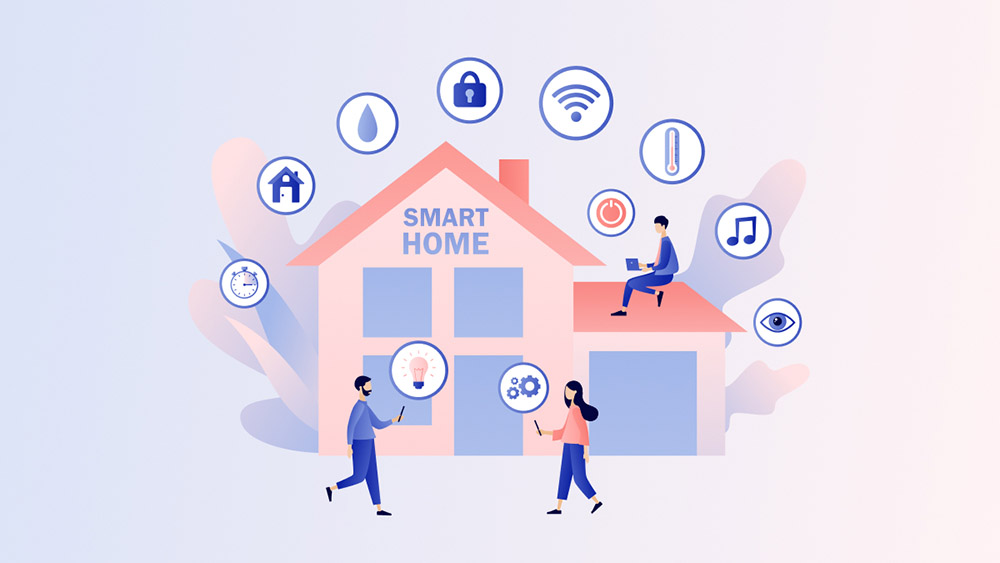
Managing modern residential IoT devices, tracking local real estate listings, or managing small business finances requires a secure identity buffer powered by a reliable virtual number service. Homeowners, tech enthusiasts, and remote professionals featured across lifestyle platforms like LiniVis recognize that registering for smart home platforms, legal utilities, and digital banking tools creates constant phone verification hurdles. Isolating personal cellular lines while maintaining seamless access to essential web tools has quickly become a core privacy requirement for modern living.
Every digital service – from home automation hubs and auto financing portals to localized travel tools – relies on automated mobile SMS checks to establish initial trust scores. However, sharing primary personal mobile numbers across dozens of online accounts, home improvement directories, and digital ad portals exposes users to relentless automated robocalls, cross-site identity tracking, and aggressive phone number scraping. Exposing direct carrier lines on everyday web forms links real-world physical addresses directly to public marketing registries.
Deploying dedicated virtual mobile infrastructure creates an instant security buffer between primary cellular devices and third-party web databases. Homeowners testing North American property management tools or evaluating digital services can easily deploy a free usa number to complete initial OTP verification checks without exposing direct personal contact details.
Addressing Privacy Risks and Identity Threats in Everyday Tech Stacks
Property owners, remote professionals, and lifestyle creators regularly register across financial platforms, health portals, and home service applications. Publicly broadcasting primary cellular numbers across online forms opens direct recovery pathways to SIM-swapping, phone spoofing, and targeted credential harvesting. Financial losses driven by online identity theft and digital ad fraud exceed $40B+ globally every year – making cellular identifier isolation an essential safety standard for homeowners and online workers.
When users enter direct personal phone numbers into software trial forms or vendor directories, they create permanent security vulnerabilities across their digital footprint. A single security breach on a local contractor directory or lifestyle blog can compromise linked email accounts, home security dashboards, and financial tools. Utilizing isolated virtual numbers shields primary device identifiers while keeping essential digital channels open and operational.
Core Strategic Advantages of Line Isolation for Modern Living
Privacy-conscious individuals and digital creators deploy segmented cellular line structures to keep core online profiles safe without sacrificing access speed:
- Account Isolation: Assign distinct virtual numbers to individual digital accounts – such as smart home controllers, legal portals, and travel apps – to block cross-site profile tracking.
- Persistent Authentication: Secure long-term rental virtual lines for ongoing two-factor security checks (2FA) on critical banking portals, smart home hubs, and primary email accounts.
- Spam Mitigation: Deploy single-use or short-term virtual numbers for one-off contractor estimates, trial downloads, and public forum sign-ups to keep personal inboxes clean.
Overcoming Geographic Verification Obstacles in Digital Services
Accessing localized real estate tools, geo-restricted financial calculators, or regional automotive services requires localized SMS verification across specific markets. Complex anti-fraud risk engines analyze account creations by examining line signatures, carrier routing paths, and connection metrics. Basic VoIP numbers are routinely flagged or rejected by modern security filters due to poor trust scores.
High-tier virtual cellular numbers operate directly on physical mobile cellular networks, delivering standard 4G/5G speeds (10-50 Mbps) and ultra-low 5G latency under 20ms to guarantee rapid, reliable OTP delivery. This real cellular foundation ensures high deliverability for security verification codes across strict digital portals. Real-time message reception through a centralized web dashboard or direct API allows users to verify regional accounts, set up home utilities, and manage digital profiles without operational delays.
Scaling Market Intelligence and Real Estate Data Extraction
For real estate investors, market analysts, and home improvement researchers, compiling local market data demands high-frequency data extraction workflows. Scraping housing trends, monitoring contractor price shifts, or tracking local automotive listings requires clean mobile proxy networks paired with automated SMS verification endpoints to bypass rate limits.
Deploying automated web scraping setups alongside clean cellular IPs maintains over 98% scraping success rates across anti-bot web architectures. Combined with automated SMS reception endpoints, market intelligence tools can scrape public listing index entries, monitor dynamic price shifts, and evaluate consumer trends without triggering rate limits or IP blocks.
Comparison: Physical Carrier SIMs vs. Virtual Mobile Infrastructure
| Performance Metric | Traditional Carrier SIM | Virtual Mobile Infrastructure |
| Provisioning Speed | Days (Requires physical shipping or store visit) | Instant (Online activation via Dashboard or API) |
| Global Coverage | Restricted to single carrier agreements and roaming limits | Over 90 countries with 2+ million virtual numbers online |
| Privacy & Security | Tied directly to personal identity and hardware SIM slot | Private routing with single-client number assignment |
| Cost Control | Fixed long-term mobile plans and carrier fees | Flexible short-term and long-term rental pricing |
| Latency Performance | Varies by local tower proximity | High-speed 4G/5G mobile routing with <20ms latency |
Integrating Virtual Mobile Infrastructure into Automated Workflows
Operational efficiency in modern home management and digital work relies heavily on software automation. When cloud tools or smart home systems request SMS verification during automated setups, device sync, or account onboarding, handling physical hardware devices creates severe operational delays. Connecting virtual phone numbers directly into automation pipelines via API webhooks enables technical systems to capture verification codes instantly.
By leveraging cloud-based SMS reception tools, technical teams construct efficient integration pipelines – routing incoming verification codes directly into management scripts or private team communication channels. Because each purchased virtual number is allocated exclusively to a single client, authentication details remain completely private, eliminating data leak risks or mixed message streams.
Best Practices for Implementing Virtual Phone Systems Across Web Platforms
To ensure total data security, maximize deliverability, and maintain smooth account access when managing virtual mobile numbers, apply these operational standards:
- Map Risk Categories: Separate temporary service registrations from core accounts – use disposable lines for quick trial tests and persistent rental numbers for primary cloud infrastructure.
- Maintain Persistent Lines for Key Portals: Keep long-term rental virtual numbers attached to primary smart home hubs, core financial profiles, and payment portals requiring ongoing multi-factor checks.
- Deploy Short-Term Lines for Software Evaluations: Use short-term virtual lines when signing up for software demos, contractor estimate tools, or public forums to keep primary phone lines safe from marketing spam.
- Automate Verification via API: Connect virtual SMS platforms directly to digital workflows using webhooks to streamline account verification, speed up build testing, and eliminate manual tasks.
Adopting secure, flexible virtual mobile infrastructure empowers homeowners, remote workers, and lifestyle managers to explore modern web services safely while maintaining complete control over their personal data.