Key Takeaways
- Evaluate a mountain home by its access, systems, and ownership demands, not its appearance alone.
- Confirm who maintains roads, driveways, culverts, and snow removal.
- Review water, septic, heating, power, and internet before the inspection deadline.
- Request insurance estimates early and investigate exposure to flood, wildfire, drainage, and weather.
- Verify zoning, permits, HOA restrictions, easements, and rental rules before relying on a planned use.
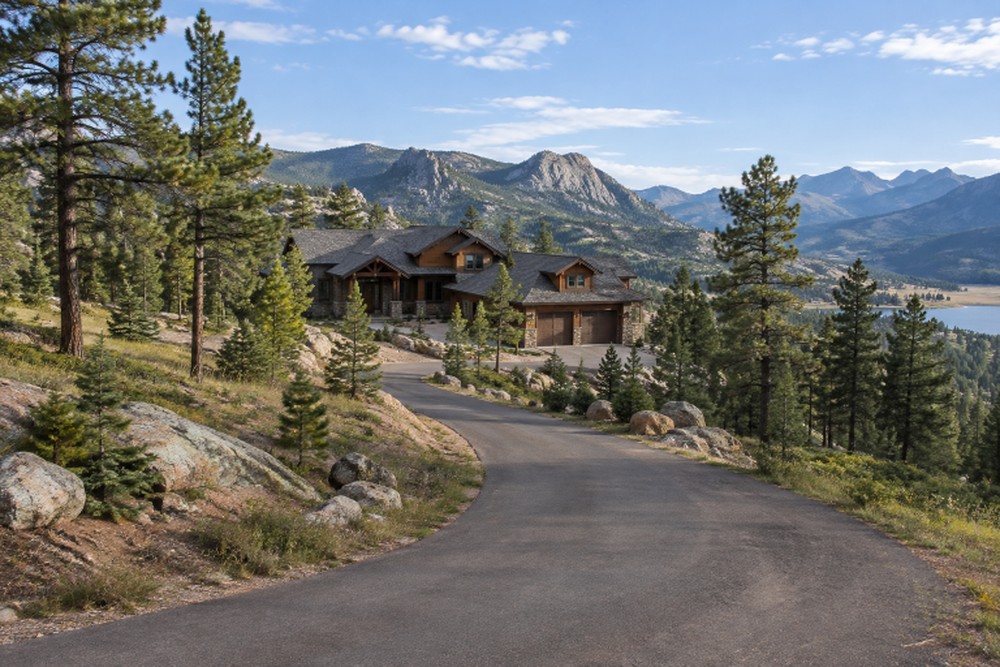
Buying a mountain home in Estes Park, Colorado can mean waking up to rocky ridgelines, lodgepole pines, and quick access to year-round recreation. It also means looking beyond a beautiful kitchen or dramatic view. Road conditions, water systems, insurance availability, drainage, and local property rules can matter just as much as square footage.
For neighborhood-level perspective, Estes Park real estate experts Estes Park Team Realty provides property search tools, buyer resources, valuation information, and community guidance for Estes Park, Allenspark, Drake, Glen Haven, and Pinewood Springs. Estes Park Team Realty has focused on the local market since 1995, making its team a useful starting point for understanding how locations and home types differ across the area. Independent inspections, insurance reviews, lending advice, and legal due diligence should still guide the final decision.
Match the Home to Your Lifestyle
Start by defining how you expect to use the property. A full-time home may need dependable commuting routes, strong internet, nearby services, and manageable winter access. A second home may require remote monitoring, reliable snow removal, and a plan to protect plumbing during extended vacancies. Retirement buyers may place extra value on a gentler driveway, fewer stairs, and convenient access to care and daily errands.
Before touring, write down your expected time in the home, willingness to handle maintenance, preferred distance from town, vehicle needs, and long-term plans. This simple exercise helps separate a scenic weekend escape from a home that works in every season.
Compare the Location Beyond the Address
Two homes with Estes Park mailing addresses can deliver very different daily experiences. Visit during daylight and after dark, then note the actual drive to groceries, health care, schools, trailheads, and major highways. Observe sun exposure, shaded areas, road noise, nearby vacation properties, cell reception, and where contractors or fuel-delivery companies can reasonably reach.
Mountain terrain can affect how long snow remains on a driveway and whether spring runoff moves toward the house. Ask the seller about seasonal conditions, but also use your own observations and professional evaluations.
Test Roads, Driveways, and Winter Access
A long mountain driveway is not automatically a drawback, but it deserves careful review. Determine whether the route is public, private, shared, gated, or managed by an HOA. Ask for written road-maintenance agreements and identify who pays for plowing, grading, culvert repairs, tree removal, and emergency access.
- Drive the entire route in a vehicle similar to the one you expect to use.
- Check driveway slope, turnaround space, parking, traction, and places where snow can be stored.
- Ask whether washouts, fallen trees, closures, or ice have limited access in the past.
- Consider whether delivery vehicles and emergency responders can reach the property.
Review Water, Septic, Heat, and Internet
Mountain properties may use municipal water, a private or shared well, a cistern, propane, wood heat, or an onsite wastewater system. Request utility bills, service records, equipment ages, and any shared-use agreements. Confirm whether a propane tank is owned or leased, how often power interruptions occur, and whether backup power is realistic for the property.
For a home with a septic system, schedule a qualified inspection, review pumping records, and confirm the system’s permitted bedroom count. Larimer County explains its requirements for onsite wastewater treatment systems, which can help buyers understand why site conditions, records, and system capacity deserve close attention.
For remote work, test cellular service inside the home and ask the provider what internet options are available at the exact address. Do not rely only on a listing description or a speed test completed elsewhere.
Plan Mountain-Specific Inspections
A general home inspection is important, but a mountain setting may justify additional specialists. Depending on the property, consider radon testing, chimney or wood-stove review, well testing, septic inspection, roof evaluation, and structural or drainage assessment.
- Inspect roof condition, attic ventilation, ice-dam evidence, and snow-load considerations.
- Review foundations, crawl spaces, retaining walls, decks, stairs, and railings.
- Look for moisture, wildlife entry points, insect damage, erosion, and poorly directed runoff.
- Verify permits for additions, garages, decks, guest areas, and major remodeling work.
Assess Insurance and Natural Hazards
Request insurance quotes before making an offer, using the exact property address and intended use. Ask about deductibles, roof requirements, rebuilding limits, wildfire mitigation expectations, and whether rental activity would change coverage. Review the property’s drainage and nearby water features, then check the address through the FEMA Flood Map Service Center as one part of a broader flood-risk review.
Check Zoning, HOA, and Rental Rules
Never assume a use is allowed just because a nearby property appears to be doing something similar. Confirm zoning, recorded easements, boundary information, permit history, HOA documents, fees, reserve information, and restrictions on additions, hot tubs, parking, or guest spaces. If rental income is part of your plan, independently verify current licensing, occupancy, tax, insurance, and HOA requirements before treating that income as dependable.
Build a Complete Ownership Budget
The mortgage payment is only one part of owning a mountain home. Include property taxes, insurance, heating fuel, electricity, snow removal, road fees, septic or well service, chimney care, tree work, driveway maintenance, and property management for vacant homes. Keep a separate repair reserve for weather-related work, access issues, drainage improvements, and contractor travel costs.
Follow a Clear Due-Diligence Timeline
- Before touring: Set your budget, intended use, travel limits, and must-have features.
- During the tour: Review access, slope, drainage, sunlight, utilities, noise, and parking.
- Before offering: Obtain insurance estimates and review preliminary road, zoning, HOA, and rental details.
- During inspections: Add specialists for systems and conditions that a general inspection cannot fully evaluate.
- Before closing: Confirm title, easements, permits, utility transfers, insurance, and maintenance responsibilities.
Common Buyer Questions
Is a newer home always the better choice?
Not necessarily. A newer home may offer more recent systems and improved energy performance, while an older cabin may offer character and a mature setting. Compare condition, maintenance history, access, drainage, utility setup, and total ownership costs rather than age alone.
Should buyers stay close to town?
Closer locations can simplify errands, services, and winter travel. More remote homes may offer quiet and privacy but may require longer drives and more planning. The right balance depends on how often you will use the property and how comfortable you are with maintenance.
Final Offer Checklist
- Confirm the home supports your intended lifestyle and future plans.
- Test the route, driveway, parking, and access conditions.
- Review water, septic, heat, power, and internet records.
- Obtain insurance information before removing contingencies.
- Check permits, easements, zoning, HOA documents, and rental rules.
- Budget for seasonal maintenance and unexpected repairs.
Conclusion
Buying a mountain home in Estes Park means evaluating how the property will function throughout the year, not just how it looks during a showing. Confirm road maintenance and winter access, inspect essential systems, assess natural hazards, and verify insurance, zoning, permits, and rental restrictions before committing. Include snow removal, utilities, septic care, heating, and ongoing repairs in your ownership budget. With careful due diligence and local insight from Estes Park Team Realty, you can find a mountain property that fits your lifestyle, financial plans, and comfort with seasonal responsibilities.