Key Takeaways
- Zygomatic implants may help selected patients with severe upper-jaw bone loss explore fixed teeth.
- These implants are anchored in the cheekbone rather than relying only on reduced upper-jaw bone.
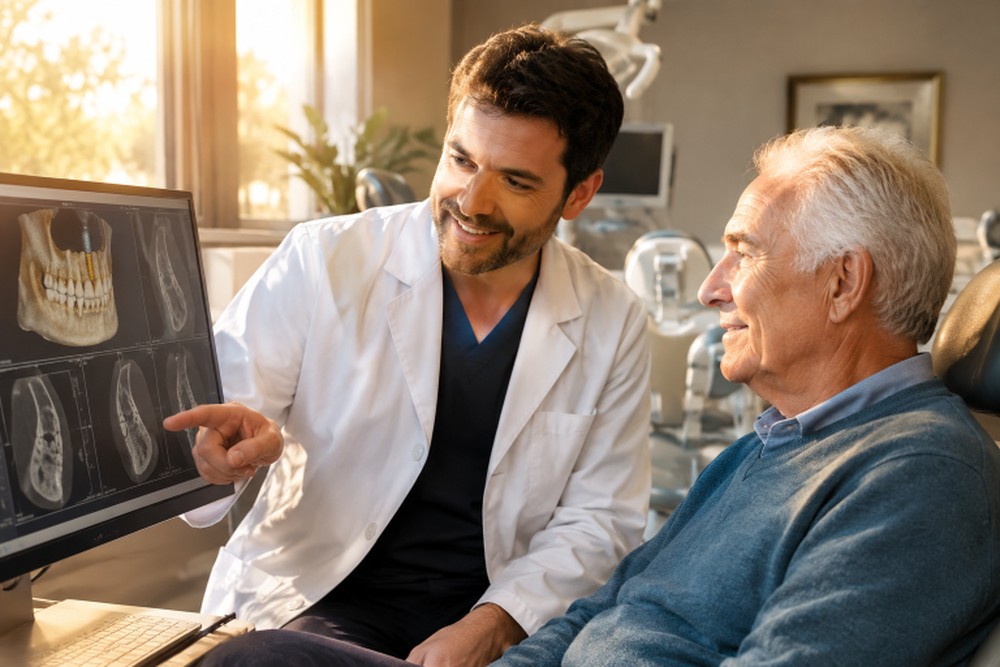
- Smile Rescue uses CBCT imaging to evaluate the jaw, sinuses, nerves, and surrounding structures before recommending treatment.
- Other advanced options, including pterygoid, transnasal, and trans-sinus implants, may also be considered.
- Every treatment plan should include a clear discussion of benefits, alternatives, recovery, maintenance, and possible complications.
Being told that you do not have enough bone for traditional dental implants can feel discouraging, especially if loose dentures, missing teeth, or a weak bite already affect your daily life. For some people with severe upper-jaw bone loss, zygomatic dental implants Louisville may be an advanced option worth discussing with Smile Rescue. A previous denial for conventional implants does not automatically mean fixed replacement teeth are impossible. Smile Rescue evaluates complex cases with a detailed examination, three-dimensional imaging, and a review of the patient’s health, anatomy, goals, and available treatment alternatives. Zygomatic implants are a specialized treatment, not a one-size-fits-all answer, so a personalized evaluation is essential.
Why Severe Bone Loss Can Make Traditional Implants Difficult
Conventional dental implants depend on enough healthy jawbone to support the implant securely. After teeth are lost, the bone that once supported them can gradually shrink. Periodontal disease may also damage the bone around teeth, and the National Institute of Dental and Craniofacial Research explains that advanced gum disease can destroy tooth-supporting bone and contribute to loose teeth or tooth loss. Severe upper-jaw bone loss can make it harder to place standard implants in predictable positions. It may also be associated with removable dentures that shift, difficulty chewing certain foods, reduced facial support, and a loss of confidence when speaking or eating. Bone grafting can be appropriate for many patients, but it is not the preferred or practical path for every clinical situation.
What Are Zygomatic Dental Implants?
Zygomatic implants are longer implants designed for certain complex upper-jaw cases. Rather than depending only on the remaining maxillary bone, they are anchored in the zygomatic bone, commonly called the cheekbone. This dense bone can provide support for a fixed full-arch restoration when the upper jaw has experienced substantial bone loss.
How They Differ From Conventional Implants
- Conventional implants: Usually rely on available jawbone and may be used for single teeth, several teeth, or full-arch treatment when bone volume is sufficient.
- Zygomatic implants: Are generally considered for severe upper-jaw bone loss and are anchored into the cheekbone as part of a more advanced surgical plan.
- Bone grafting: May be needed before conventional implants when bone is limited. Zygomatic implants may reduce the need for extensive grafting in appropriately selected cases.
- Planning: Both require examination and imaging, but zygomatic cases require especially careful three-dimensional assessment and surgical planning.
How Smile Rescue Determines Whether Zygomatic Implants Are Appropriate
A zygomatic dental implant request in Louisville should begin with a consultation, not with an assumption that a particular procedure is right for you. Smile Rescue reviews your dental history, prior treatment, current symptoms, oral health, bite, remaining teeth, and goals for replacement teeth. CBCT imaging is a key part of this process. A three-dimensional scan can help the clinical team evaluate available bone, cheekbone anatomy, sinus spaces, nerve pathways, and other structures that affect treatment planning. The team can then discuss whether zygomatic implants, conventional implants, grafting, implant-supported dentures, or another approach may be more appropriate.
Complex Implant Options at Smile Rescue
Not every patient with bone loss needs the same procedure. Smile Rescue offers several approaches for rebuilding a functional smile, depending on the anatomy and treatment goals identified during planning. Options may include:
- Zygomatic dental implants
- Transnasal dental implants
- Pterygoid implants
- Trans-sinus implants
- Full-mouth fixed bridges
- Implant-supported dentures
- Conventional single or multiple implants when sufficient bone is present
This range of options matters because a recommendation should fit the person, not the other way around. A patient who is not a candidate for zygomatic implants may still have another viable path toward improved stability and chewing function.
Temporary Teeth, Healing, and Final Restorations
Smile Rescue states that zygomatic implant surgery is often completed in a single surgical visit and that patients may leave with a temporary, natural-looking smile when clinically appropriate. A temporary restoration can provide appearance and function during the healing phase, but it is not the final prosthesis. The final restoration is planned once healing and implant integration are complete. Smile Rescue describes a general integration period of about three to six months. However, an individual timeline can vary based on surgical findings, healing, medical history, hygiene, and the complexity of the restoration.
Benefits, Risks, and Limits to Understand
Potential benefits of zygomatic implants include avoiding extensive upper-jaw grafting in selected cases, supporting a fixed full-arch restoration, and possibly allowing a temporary restoration sooner than a staged grafting approach. However, the surgery is more complex than routine implant placement, and it is not appropriate for everyone. Patients should understand that complications can occur, including sinus-related concerns, soft-tissue issues, implant problems, and prosthetic complications. A recent review of cheekbone dental implants for severe upper-jaw bone loss found that these implants may shorten the time to rehabilitation compared with grafting approaches, while also potentially increasing the risk of complications. The evidence base remains limited, which makes careful case selection and ongoing follow-up especially important.
Questions to Ask Before Moving Forward
- Am I a candidate based on my examination and CBCT scan?
- Could conventional implants, grafting, or another advanced implant option work for me?
- What type of temporary and permanent restoration is planned?
- What are the expected recovery steps and timeline in my case?
- What complications should I consider before treatment?
- What hygiene, follow-up visits, and long-term maintenance will be required?
- What is included in the proposed treatment plan and cost estimate?
Explore Your Options With Smile Rescue
Severe upper-jaw bone loss can limit conventional implant treatment, but it does not necessarily end the conversation about fixed teeth. Smile Rescue gives Louisville patients a structured way to explore zygomatic implants and related advanced solutions through detailed imaging, individualized planning, and a candid discussion of potential benefits and risks. A consultation can clarify which treatment path, if any, is suitable for your specific needs.
Conclusion
Severe upper-jaw bone loss can make traditional dental implants challenging, but selected patients may have other options worth exploring. Smile Rescue evaluates complex cases using CBCT imaging, clinical examination, and individualized treatment planning to determine whether zygomatic implants or alternatives such as pterygoid, transnasal, or trans-sinus implants may be appropriate. While these advanced techniques may help eligible patients work toward fixed replacement teeth, they involve specialized surgery and potential complications that should be understood before treatment begins. Patients should ask about candidacy, temporary and final restorations, recovery expectations, total costs, and long-term maintenance. A thorough consultation helps clarify the available choices and their limitations, allowing patients to make informed decisions based on their oral health, goals, and individual circumstances.