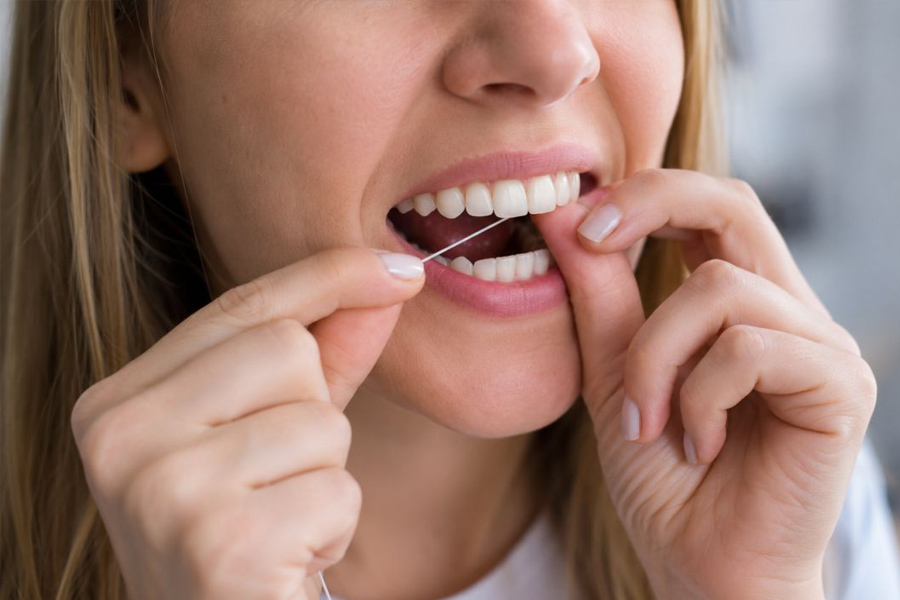
You notice it during dinner, after popcorn, or when one stubborn shred of meat keeps hiding between the same two teeth. You floss, rinse, pick at it with your tongue, and it keeps happening. That kind of spot is easy to brush off as annoying, but it often tells a dentist something useful about your teeth, gums, and bite. Gentle Dentist for Families Willoughby Ohio.
Food does not get trapped in random places for no reason. A tight space, a worn filling, gum recession, a shifting tooth, or a bite problem can all create the kind of pocket where food packs in again and again. The good news is that these patterns can point to problems early, before you end up with decay, gum inflammation, or a cracked tooth. That is why where food gets stuck between teeth matters more than most people think.
Recurring food traps often point to changes in tooth shape or alignment
If food catches in one area once, that may mean nothing. If it happens every day in the same spot, a dentist starts looking at the shape of the contact between those teeth. Healthy teeth usually touch each other in a way that helps food slide past instead of wedging deep into the gumline. When that contact opens up, food gets packed in with every meal.
This can happen after a filling wears down or fractures. It can happen when a tooth shifts a little over time. It can also happen when a crown does not fit as closely as it should. You may only feel irritation at first, but the gum between those teeth often takes the hit. It gets sore, swollen, and prone to bleeding. According to the NIH, taking care of your teeth and mouth includes cleaning between teeth daily because those spaces are where problems build quietly.
Food packing can signal gum recession and early periodontal stress
Sometimes the issue is not the teeth alone. The gum tissue may have pulled back, exposing a small gap that did not used to be there. Once that space opens, food has an easy place to collect. You might notice tenderness after eating, a bad taste, or the feeling that floss suddenly snaps into an area that used to feel normal.
That matters because trapped food feeds bacteria. Bacteria and inflammation can deepen the pocket, and then even more debris collects there. It becomes a cycle. Research on food impaction and periodontal health has linked these trapped areas with local gum inflammation and damage around the affected teeth, which is one reason dentists take repeated food packing seriously rather than treating it as a small nuisance.
Sticky spots can reveal decay, rough dental work, or a cracked edge
Rough surfaces catch food. A tiny cavity between teeth, a chipped edge, or an old restoration with a ledge can create just enough texture for fibers and seeds to snag. You may not see anything in the mirror, and you may not feel pain yet. Tooth decay often starts quietly, especially between teeth where a toothbrush cannot reach well. The NIH page on tooth decay explains that plaque bacteria produce acids that break down tooth structure over time, and those hidden areas are common trouble spots.
This is where food trapping around teeth becomes a useful clue. A dentist can check the contact point, test the filling margins, and take X-rays if needed. Catching a small problem here can mean a simple repair instead of a root canal or extraction later.
The way food gets stuck can show whether your bite is putting stress on a tooth
Not all food traps come from a gap. Sometimes a tooth is moving under pressure. If your bite hits one tooth too hard, or if you grind at night, that stress can widen tiny spaces over time. A tooth under load may shift just enough to create a trap during chewing, then spring back. You feel the result as that familiar packed feeling after certain foods.
That pattern can show up next to dental work, especially if a filling or crown is taking more force than it should. It can also happen when one missing tooth lets nearby teeth drift. General, cosmetic, and restorative dentistry often overlaps here, because the answer may involve adjusting a bite, replacing worn dental work, restoring a missing tooth, or reshaping a contact so food stops driving into the gum.
What food impaction can mean and what usually helps
| What you notice | What a dentist may suspect | What may help |
| Food always sticks between the same two teeth | Open contact, shifting teeth, worn filling | Check contact point, repair or replace restoration, evaluate alignment |
| Gum feels sore or bleeds after meals | Localized gum inflammation, early pocketing | Professional cleaning, gum evaluation, home care changes |
| Floss shreds or catches in one spot | Rough filling edge, decay, chipped tooth | X-rays, smoothing or replacing dental work, cavity treatment |
| Food packs in more after chewy or fibrous meals | Bite imbalance, mobile tooth, recession | Bite adjustment, night guard assessment, periodontal care |
There is also growing clinical interest in how repeated food impaction affects gum health around natural teeth and implants. A review available through PubMed Central describes how trapped food can contribute to inflammation and tissue breakdown when the cause is not corrected. That is why the goal is not just removing the food. It is fixing the reason it keeps happening.
Small changes at home help, but they do not replace a diagnosis
You can ease some irritation by flossing gently, rinsing with water after meals, and avoiding aggressive picking that cuts the gum. Interdental brushes or a water flosser can help in some spaces, especially if floss alone is not reaching well. Still, if the spot keeps returning, the issue is usually structural. Home care manages the symptom. It does not close an open contact or repair a failing filling.
This is where dentistry matters in a very practical way. You are not overreacting by bringing up one annoying place where food always gets trapped. That detail can save time, money, and tooth structure if it leads to an early fix.
Three steps to take when food keeps getting stuck in one area
Track the exact spot. Notice whether it is always the same teeth, which foods trigger it, and whether the gum bleeds or feels tender. Those details help pinpoint the cause faster.
Stop using sharp tools. Toothpicks, fingernails, and metal picks can cut the gum and make the area more inflamed. Use floss, an interdental brush, or a water flosser instead.
Schedule an exam before it turns painful. A food trap is often an early warning sign. Having it checked while the problem is still small may mean a simple adjustment instead of more involved restorative care later.
If one spot in your mouth keeps catching food, your mouth is giving you useful information. Paying attention to it now can prevent decay, gum damage, and bigger repairs down the road. A careful dental exam can identify the cause and help you get back to eating without that constant irritation.