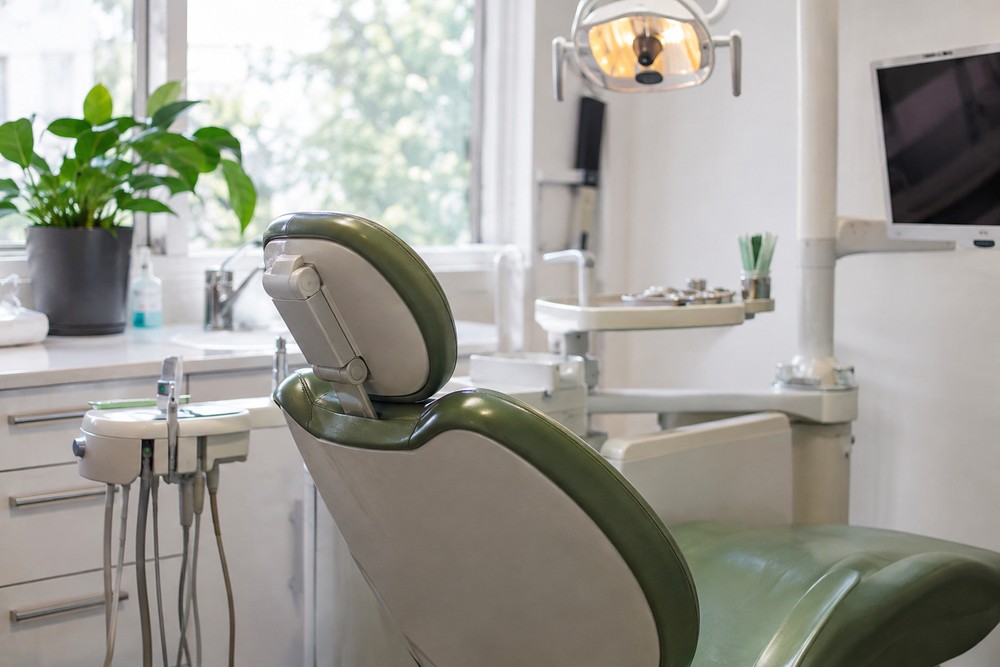
You can want a better smile and still feel uneasy about where to start. Maybe you have staining that no whitening toothpaste touches, a chipped front tooth that catches your eye in every photo, or older dental work that no longer blends in. The hard part is that cosmetic treatment sounds simple until you realize the best-looking results usually depend on the health of your teeth and gums first. That is why many people look for gentle dental care for the whole family in Springfield before deciding on cosmetic treatment.
That is where many people get stuck. You want improvements you can see, but you also do not want to spend money on work that fails early because decay, grinding, or gum disease was never addressed. The strongest plan pairs appearance with protection. Cosmetic dental enhancements with preventive care tend to last longer, feel better, and need fewer repairs.
Preventive care protects the investment behind cosmetic dentistry
A brighter, straighter smile can change how you feel when you speak, laugh, or sit for a picture. That part is real. The problem starts when cosmetic treatment is treated like a surface fix for deeper issues. Whitening on teeth with untreated cavities can trigger pain. Veneers placed on a patient with clenching habits can chip. Gum contouring done before periodontal disease is under control can leave you chasing one problem after another.
Good prevention is not glamorous, but it is what gives cosmetic work a stable foundation. Daily brushing and flossing, fluoride use, routine exams, and professional cleanings reduce the plaque and bacteria that drive decay and gum inflammation. The CDC outlines practical oral health tips for adults that support both everyday comfort and long-term dental work.
If your gums bleed when you brush, or your teeth feel loose, or you have persistent bad breath, those are not small cosmetic concerns. They can point to gum disease, which affects the support around your teeth. The CDC explains how gum and periodontal disease can progress quietly, even before pain shows up. Cosmetic treatment works best when those risks are handled first.
Teeth whitening works best after a cleaning and cavity check
Whitening is often the first thing people ask about because the change can be quick and visible. It can also disappoint when buildup, untreated decay, or worn enamel gets in the way. If stains are partly caused by plaque or tartar, whitening alone may look uneven. If a cavity is already present, whitening products can make sensitivity worse.
A preventive visit before whitening changes the outcome. A cleaning removes surface buildup, an exam checks for decay, and your dentist can tell you whether discoloration is from food, smoking, medications, trauma, or enamel wear. That matters because some stains respond well to bleaching, while others need bonding or veneers instead.
Dental bonding lasts longer when bite problems and decay are managed
Bonding is a smart option for small chips, gaps, and uneven edges. It is conservative, usually affordable, and often done in one visit. It also depends on where the tooth sits in your bite and how you use it every day. If you grind at night or bite directly into hard foods with a repaired edge, the bonding can fracture sooner than expected.
This is where prevention does quiet work. A night guard, early treatment of decay, and regular polishing can help bonding hold up. For many patients, smile improvement treatments are less about choosing the fanciest procedure and more about reducing the forces that wear restorations down.
Veneers and clear aligners need healthy gums to look natural
Veneers can reshape teeth, close spaces, and cover deep discoloration. Clear aligners can straighten crowded or rotated teeth with a lighter visual footprint than braces. Both can produce striking results, but neither hides inflamed gums well. Swollen or receding gum tissue changes the frame around the teeth, and that affects the final look as much as the teeth themselves.
If you have plaque buildup, recession, or untreated inflammation, your dentist may recommend scaling, improved home care, or a pause before moving into cosmetic work. That can feel frustrating if you are eager to fix the visible issue, though it usually saves time and money later. A healthy gumline helps veneers sit more naturally and helps aligner treatment progress with fewer setbacks.
Crowns and tooth-colored restorations need ongoing maintenance to stay attractive
When a tooth is cracked, heavily filled, or worn down, a crown or tooth-colored restoration may be the right blend of function and appearance. These treatments can restore shape and strength, but they are not immune to neglect. Decay can still form at the edges, and gum recession can expose margins over time.
Patients often assume a restored tooth is fully protected forever. It is not. Home care, routine cleanings, and early checks for bite wear make a major difference. MedlinePlus offers a helpful overview of dental health basics that support both natural teeth and restorations.
Cosmetic dental procedures and preventive care work better together
| Enhancement | Best preventive support | What happens without it |
|---|---|---|
| Teeth whitening | Cleaning, cavity check, sensitivity review | Uneven results, pain, short-lived improvement |
| Dental bonding | Bite evaluation, decay treatment, night guard if needed | Chipping, staining, repeated repairs |
| Veneers | Gum health treatment, hygiene support | Unnatural appearance, gum irritation, poor longevity |
| Clear aligners | Healthy gums, cavity treatment, regular monitoring | Delays, discomfort, plaque buildup during treatment |
| Crowns and tooth-colored restorations | Routine exams, cleaning, bite maintenance | Decay at margins, wear, gum recession around the tooth |
Simple steps can move you toward a healthier and more attractive smile
Start with a prevention-first exam. Ask for a full evaluation before choosing any cosmetic service. You want to know if cavities, grinding, gum disease, or old restorations could affect the result.
Choose the treatment that fits the real problem. Whitening helps color, bonding helps shape, veneers help shape and shade, and aligners help position. The right option depends on why your smile bothers you in the first place.
Protect the result after treatment. Keep cleanings on schedule, wear a night guard if you clench, and stay consistent with home care. Cosmetic dentistry looks better and lasts longer when maintenance is part of the plan.
You do not need a perfect mouth before asking for a better smile. You do need a plan that respects both health and appearance. That is what makes family and cosmetic dentist care so useful. It meets the everyday needs that keep teeth stable, then builds cosmetic improvements on top of that stability. If you are ready to improve your smile, schedule a visit and ask which cosmetic enhancements make the most sense after your preventive exam.