Why Simultaneous Modernization Matters for Older Residences
When we embark on a home renovation, we are essentially opening up the “arteries” of the house. Whether you are remodeling a kitchen, finishing a basement, or expanding a bathroom, the walls are likely already exposed. This is the golden window of opportunity for infrastructure modernization. Attempting to upgrade electrical wiring or replace supply pipes after the drywall has been finished and painted is not only invasive but significantly more expensive.
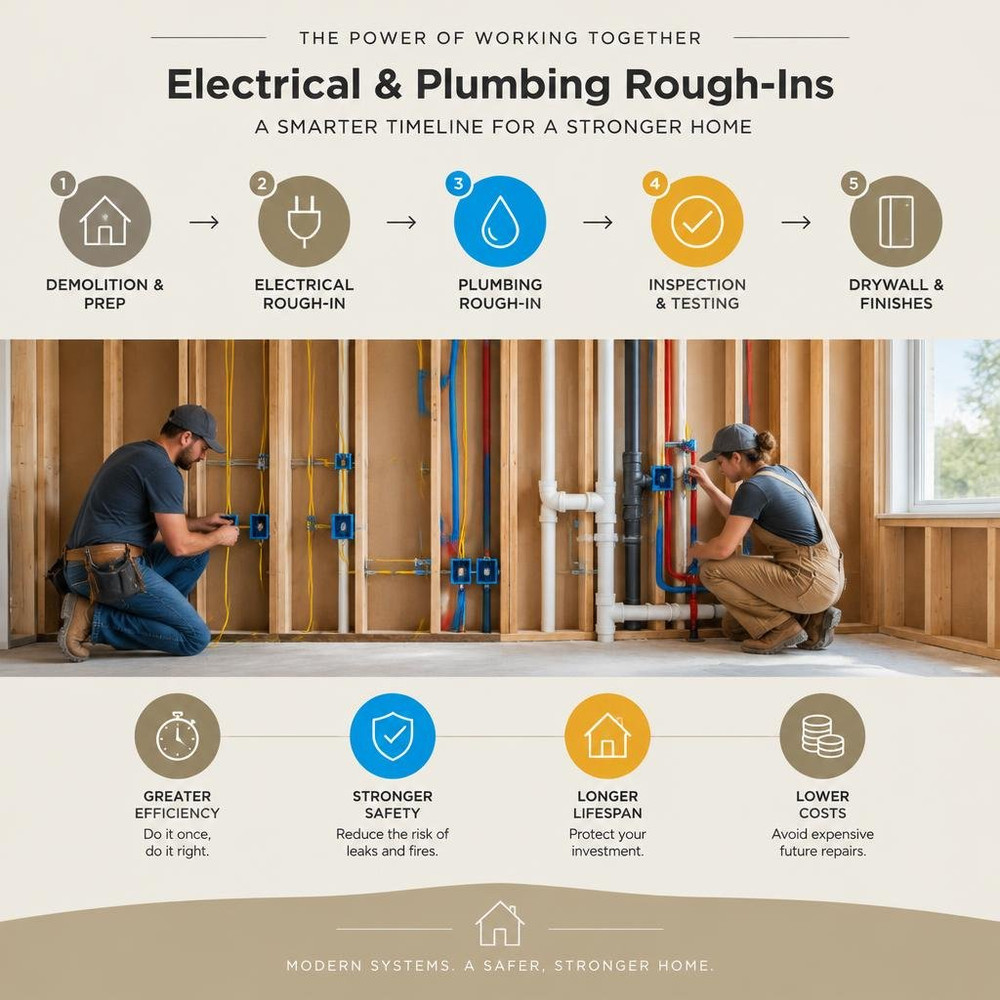
By synchronizing these upgrades, we achieve a level of “rough-in efficiency” that is impossible to replicate later. When the walls are open, tradespeople have clear access to the studs and joists, allowing them to route new, code-compliant cables and pipes with precision. This approach also acts as a form of structural protection; by replacing aging, corroded pipes and brittle, outdated wiring, we mitigate the risk of hidden leaks and electrical fires that could destroy the very finishes you just invested in.
Warning Signs Indicating Urgency for Home Electrical and Plumbing Upgrades
Recognizing the warning signs of failing infrastructure can save you from an emergency. If you notice your lights flickering whenever an appliance like a refrigerator or HVAC system kicks on, your home’s electrical system is likely struggling to manage the load. Frequent breaker trips are another clear indicator that your panel is undersized for 2026 demands.
On the plumbing side, persistent low water pressure, discolored or “rusty” water, and frequent drain clogs are hallmarks of aging, corroded galvanized steel pipes. If you see signs of moisture or water stains on your ceilings or floors, do not wait for a catastrophic failure. Furthermore, if your inspection reveals aluminum wiring or an archaic fuse box, these are immediate red flags that require professional intervention to bring your home up to modern safety standards.
Long-Term Value and Return on Investment
Upgrading your infrastructure is not merely a cost; it is an investment in your property’s equity. Modern, code-compliant systems are major selling points. When a prospective buyer sees that a home has been rewired and replumbed, they know they are purchasing a property that won’t require a massive renovation budget on day one.
Beyond resale value, these upgrades often lead to significant utility savings. High-efficiency fixtures and modern electrical load management reduce waste, while updated systems often qualify for lower insurance premiums. For those seeking reliable, high-quality infrastructure, partnering with experts in residential and commercial electrical work ensures your home is not only safe but also optimized for the next generation of technology.
Critical Electrical System Improvements for Modern Demands
Modern households are power-hungry. Between home offices, high-definition entertainment systems, and the rising popularity of electric vehicle chargers, the standard electrical capacity of a home built even 20 years ago is often insufficient.
Electrical Panel Sizing and 200-Amp Conversions
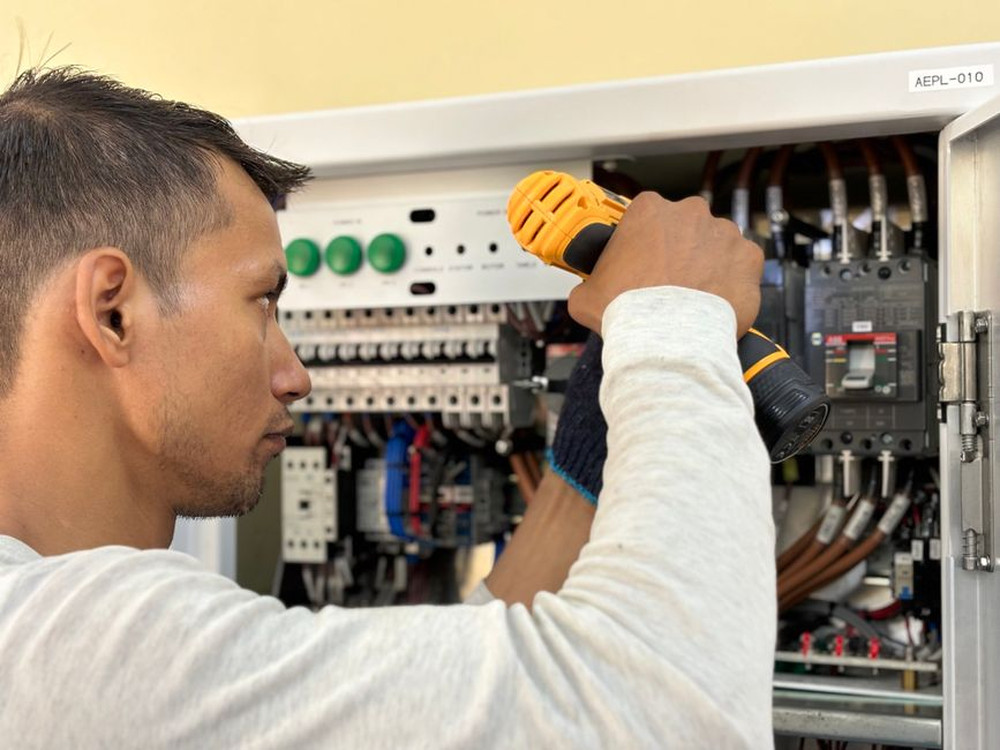
Many older homes operate on 100-amp service, which was the standard decades ago but is now frequently inadequate. Upgrading to a 200-amp panel is the single most important step in future-proofing your home. A 200-amp service provides the headroom necessary to add high-draw appliances and sensitive electronics without the constant threat of tripping breakers. During this upgrade, we also recommend installing a whole-home surge protector to shield your expensive appliances and smart devices from voltage spikes.
Safety Devices, Outlets, and Smart Controls
Safety is the cornerstone of any electrical upgrade. We must ensure that all outlets in kitchens, bathrooms, and outdoor areas are equipped with Ground Fault Circuit Interrupter (GFCI) protection to prevent shock. Similarly, Arc Fault Circuit Interrupter (AFCI) breakers are essential for bedrooms and living areas to detect dangerous electrical arcs that could cause fires. Beyond safety, integrating smart-home and smart-building installation services allows you to control your lighting, climate, and security systems from anywhere, further increasing your home’s energy efficiency and convenience.
Essential Plumbing Modernizations for Efficiency and Health
Modern plumbing is about more than just moving water; it is about ensuring that water is clean, sustainable, and delivered with reliable pressure.
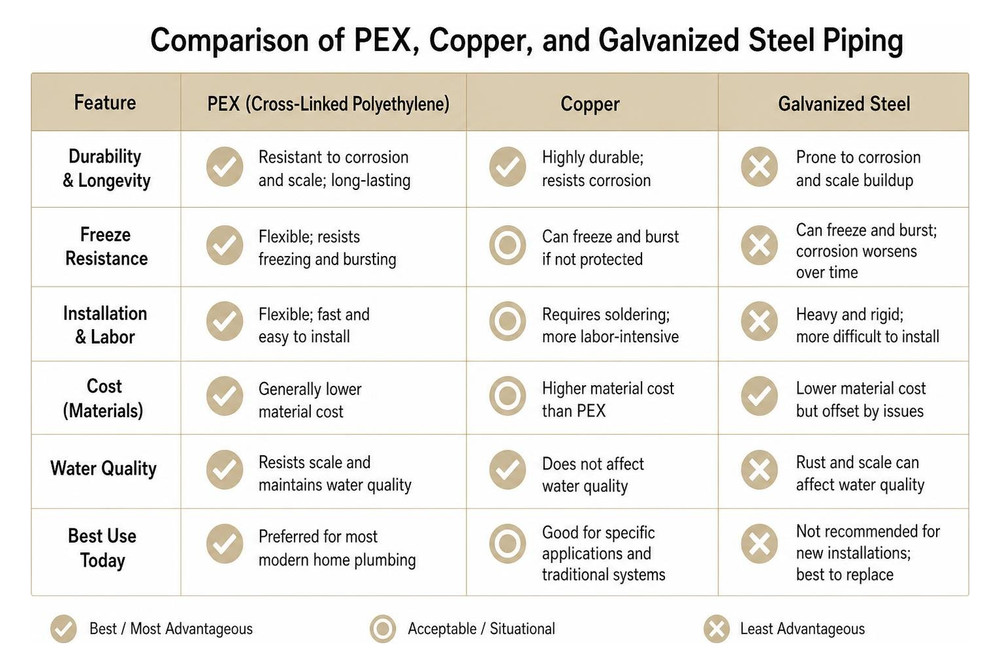
Pipe Material Selection: PEX vs. Copper vs. Galvanized Steel
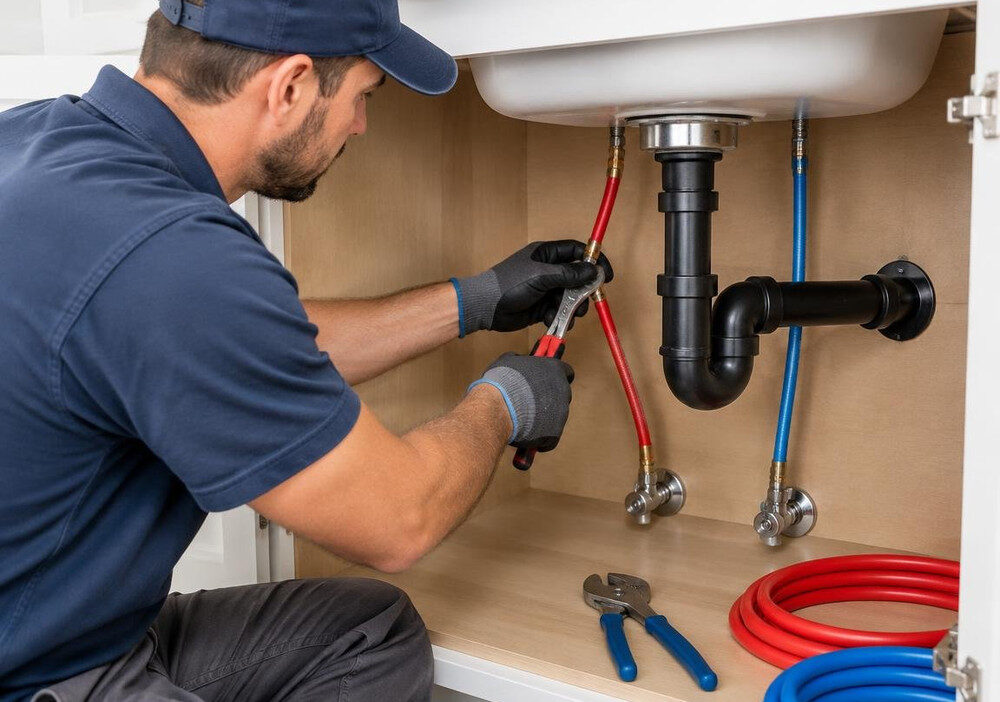
When replacing old pipes, we generally move away from galvanized steel, which is prone to internal corrosion and mineral buildup. Today, the choice usually comes down to copper or PEX (cross-linked polyethylene). PEX has become the industry favorite for renovations because it is flexible, resistant to freezing, and significantly faster to install, which reduces labor costs. While copper remains a durable, traditional choice, PEX offers a modern, cost-effective, and highly reliable alternative for most home plumbing needs.
Water Heaters and Water-Saving Fixtures
The way we heat and use water has evolved. Tankless water heaters are a game-changer for many, providing endless hot water on demand while occupying a fraction of the space of a traditional tank. When combined with low-flow toilets, aerated faucets, and professional pressure regulators, you can significantly reduce your water footprint. For comprehensive support with these upgrades, professional residential and commercial plumbing services can ensure that your new fixtures are installed correctly and that your home’s backflow prevention is up to code.
Planning and Budgeting for Home Electrical and Plumbing Upgrades
Budgeting for these upgrades requires a realistic look at the scope of work. A comprehensive gut renovation, which includes a full rewire and total pipe replacement, can range from 300 to 500 dollars per square foot depending on your region. It is essential to include a 15–20% contingency budget for the “unknowns” that inevitably appear once walls are opened.
Coordinating Home Electrical and Plumbing Upgrades Across Trades
The success of a renovation often hinges on trade sequencing. We always recommend a joint walk-through with both your electrician and plumber before the demolition phase begins. This allows the trades to identify spatial conflicts—such as a pipe running exactly where a new electrical conduit needs to go—before they become expensive problems. By coordinating their rough-in schedules, you can minimize the time walls remain open and reduce the overall duration of the project.
Project Execution: General Contractor vs. Direct Trade Management
Homeowners often ask whether they should hire a general contractor (GC) or manage the trades themselves. A GC provides a “one-stop-shop” experience, handling all scheduling, permitting, and quality control. However, managing specialty contractors directly can save you between 15% and 25% in overhead costs. This route is only recommended if you have strong project management skills and the time to handle the daily logistics of trade coordination.
Permitting, Code Compliance, and DIY Boundaries
Never attempt to bypass the permitting process. Permits are not just bureaucratic hurdles; they are your assurance that the work meets safety codes and has been inspected by a neutral third party. While minor tasks like changing a light fixture may be suitable for a DIY enthusiast, any work involving the main electrical panel, gas lines, or major plumbing stacks must be performed by licensed professionals. The risks of improper installation—ranging from electrical fires to sewage leaks—far outweigh any potential savings from attempting high-level work yourself.
Frequently Asked Questions About Infrastructure Upgrades
What are the primary signs that an electrical panel needs an immediate upgrade?
If you are still using a fuse box, or if your panel is rated for 60 or 100 amps, it is time for an upgrade. Other signs include frequent circuit overloads, burning smells emanating from the panel, or a panel cover that feels warm to the touch.
How do modern pipe materials like PEX compare to traditional copper?
PEX is highly flexible and resistant to the mineral scale buildup that plagues older pipes. While copper is a classic, long-lasting material, PEX is faster to install, which keeps labor costs lower and provides excellent performance in modern residential systems.
Can electrical and plumbing rough-ins be completed without gutting entire walls?
Yes. Skilled professionals can use techniques like “fishing” wires through existing walls or accessing pipes through crawl spaces and attics. While some targeted drywall cutting is usually necessary, a full gut is not always required to modernize your infrastructure.
Conclusion
Your home’s electrical and plumbing systems are the foundation of your comfort and safety. By addressing these critical components during your renovation, you are not only preventing future disasters but also enhancing the daily functionality of your living space. Whether you are upgrading to a 200-amp panel, switching to PEX piping, or installing smart-home technology, the effort you put into the “bones” of your house will pay dividends for years to come. Start your planning early, hire licensed professionals, and ensure your home is ready for the demands of modern living.