Key Takeaways
- Higher water bills, musty odors, stains, soft flooring, and unexplained plumbing noises can all signal a hidden leak.
- A water-meter test may reveal unexpected water use, but it cannot identify the exact location of a leak.
- Quick action can reduce damage to drywall, flooring, cabinets, insulation, and framing.
- Persistent moisture should be addressed because mold can grow where leaks or damp materials remain.
- Professional leak detection is often the safest option for leaks behind finished surfaces, beneath slabs, or near electrical systems.
A hidden plumbing leak can start small, stay out of sight, and gradually damage parts of a home that are expensive to repair. When water is actively flowing, spreading near electrical equipment, or creating an urgent risk, contacting a provider that offers 24-hour emergency service can help limit further damage while the source is addressed. If it is safe to do so, shutting off the nearest fixture valve or the home’s main water supply can also slow the spread of water until help arrives.
Not every leak creates a dramatic puddle. Some occur behind walls, beneath flooring, inside ceilings, near foundations, or under concrete slabs. Paying attention to subtle changes in water use, odors, surfaces, and sounds gives homeowners a better chance of finding a problem before it becomes more disruptive. Regularly walking through less-used bathrooms, utility areas, closets, and crawl-space access points can make these small changes easier to notice.
Why Hidden Leaks Matter
A slow drip from a supply line or a small break in a pipe may not be visible at first. Water can travel along framing, pipes, or ceiling materials before appearing elsewhere. For example, a growing ceiling stain may be caused by a nearby pipe rather than by one directly above the stain. The U.S. Environmental Protection Agency notes that undetected household leaks can waste thousands of gallons of water each year, raise utility costs, and potentially damage the home. Because water can move through porous materials and follow gravity, the first visible sign may appear well after the leak began. That delay is one reason homeowners should investigate recurring stains, swelling, or odors rather than assuming they are only cosmetic issues.
Early Warning Signs To Watch For
Unexplained Changes In Water Use
A higher bill can be an early clue when your household routine has stayed about the same. Compare recent usage with the same season last year when possible, since outdoor watering, visitors, appliance use, and a running toilet can also increase consumption. A sudden or sustained increase deserves a closer look. Checking the number of gallons used, rather than only the total cost, may be helpful when water rates or service charges have changed.
Sounds Of Water When Fixtures Are Off
Listen for faint hissing, dripping, trickling, or rushing when the home is quiet. Plumbing sounds can travel through walls and floors, so the noise may not point directly to the problem. Still, a repeated sound when no fixture is running is worth investigating. Try listening at different times of day after appliances and irrigation systems have been turned off.
Stains, Bubbling Paint, And Soft Surfaces
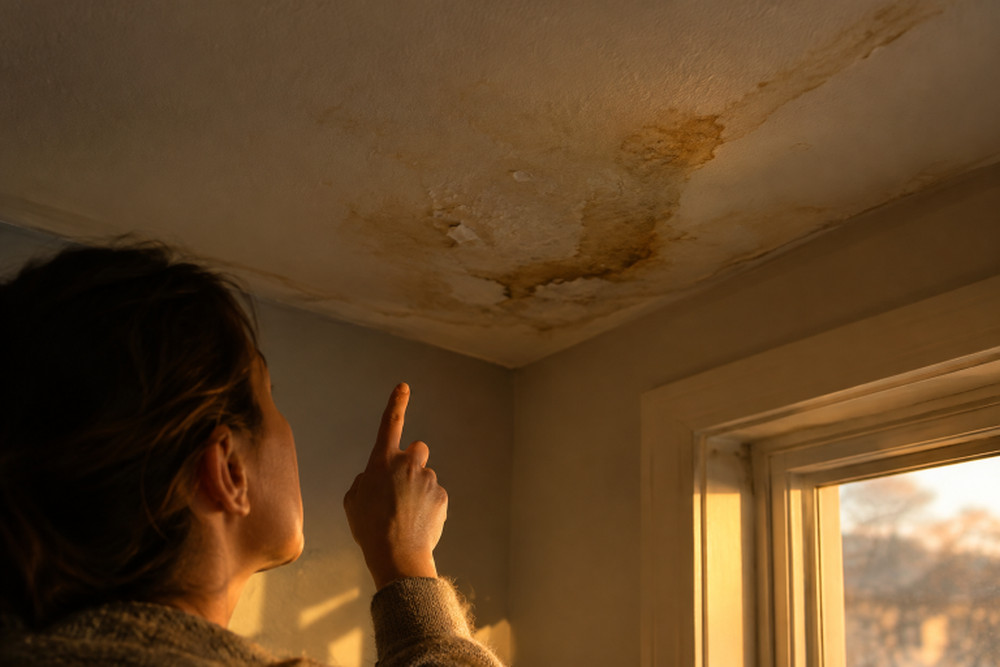
Yellow or brown ceiling marks, peeling paint, swollen trim, loose flooring, and soft cabinet panels can indicate moisture exposure. Do not simply paint over a stain or replace a damaged surface before identifying the source of the moisture. Cosmetic repairs will not stop an active leak. Pay attention to whether the affected area grows, feels cool or damp, or returns after drying.
Musty Odors Or Unusual Humidity
A persistent damp smell around cabinets, walls, crawl spaces, or floors can point to trapped moisture. Condensation, roof leaks, and poor ventilation may create similar symptoms, so the cause needs to be confirmed. CDC mold and moisture guidance recommends fixing leaks and other moisture problems so mold does not have the damp conditions it needs to grow. An odor that becomes stronger when a cabinet is opened or when a room has been closed for several hours can be especially useful information to share with a professional.
Low Water Pressure Or Warm Floor Spots
Reduced pressure at a single fixture or throughout the home can sometimes be due to a damaged supply line, although clogged aerators, valve problems, and municipal supply issues may also be responsible. An isolated warm area on a floor can be a clue near hot-water piping, particularly in homes built on slab foundations. Do not rely on either symptom alone, but treat it as a reason to inspect further when it occurs alongside higher water use or visible moisture.
How To Perform A Water-Meter Test
- Turn off faucets, appliances, irrigation systems, and other water-using equipment.
- Make sure toilets are not refilling and that no automatic cycle is about to begin.
- Write down the meter reading or take a clear photo.
- Wait about two hours without using water.
- Check the meter again and compare the readings.
If the reading changes, water was used during the test, but the result does not identify the source. Toilets, ice makers, water softeners, and irrigation controls can affect the reading. The EPA explains that leak detection and flow monitoring devices may alert homeowners to irregular water use or unexpected dampness. If your meter has a small leak indicator, consult the meter markings or contact the local utility to understand how it operates, since meter designs vary. Repeat the test after checking obvious water-using devices if the first result is unclear.
Where Hidden Leaks Often Start
Common trouble spots include areas under kitchen and bathroom sinks, behind toilets and tubs, around washing machine hoses, near water heaters and shutoff valves, inside walls near showers, beneath floors, in crawl spaces, and along outdoor water lines. Pipe age, corrosion, worn seals, loose connections, freezing temperatures, irregular pressure, and shifting soil can all contribute. Newer homes can also develop leaks at appliance connections, fixture valves, and plumbing joints. Areas where plumbing passes through cabinets, walls, or floors deserve attention because small drips may remain concealed while slowly wetting surrounding materials.
Safe Checks Homeowners Can Perform
- Use a flashlight to inspect visible pipes, valves, supply lines, and fittings.
- Look beneath sinks for dampness, mineral buildup, swollen cabinet material, or damaged flooring.
- Test for a silent toilet leak by adding a few drops of food coloring to the tank and checking whether color reaches the bowl without flushing.
- Check near the water heater for pooling water, rust, or dampness.
- Look outdoors for soggy soil, unexplained puddles, or unusually green patches.
- Photograph stains and damp spots to see whether they are expanding.
Avoid opening walls, removing flooring, or touching wet electrical equipment based only on a guess. If water is near outlets, appliances, wiring, or an electrical panel, treat the situation as urgent. When inspecting, use your hands carefully around accessible areas to check for damp cabinet bottoms or wet pipe connections, but avoid touching hot pipes or any area where electricity may be present.
When To Call A Professional
Call a plumbing professional when the meter moves with all water use off, a wall or ceiling is actively wet, a stain returns after drying, water pressure drops without a clear cause, or a strong musty odor has no visible source. Concealed leaks under slabs, behind walls, or beneath finished floors often require specialized detection. Professionals may use moisture meters, pressure testing, acoustic equipment, thermal imaging, or camera tools to locate the source with less unnecessary demolition. Acting promptly is particularly important when water is near electrical components or when ceiling materials are sagging, since those conditions can create additional safety concerns.
What To Do After Finding The Leak
- Turn off the local shutoff valve or the main water supply when necessary.
- Move furniture, boxes, and valuables away from the affected area.
- Photograph visible damage before cleanup or repairs begin.
- Arrange for the plumbing repair and begin safe drying measures.
- Inspect nearby drywall, insulation, flooring, cabinets, and framing for moisture damage.
Repairing the pipe is essential, but it may not be the entire job. Materials that remained wet may need drying, cleaning, replacement, or further assessment to prevent lingering damage. Keep records of repair invoices, photos, and dates, especially when the leak has affected multiple materials or may need to be discussed with an insurance provider.
Simple Ways To Reduce Future Leak Risk
Inspect exposed plumbing connections several times a year, replace visibly worn supply lines, keep the water-heater area accessible, and protect exposed pipes before freezing weather. Monitor monthly water use for unexpected changes. Leak-detection devices with moisture alerts or automatic shutoff features may provide an added layer of protection for some homes. Knowing the location of the main shutoff valve before an emergency occurs can also save valuable time if a pipe or supply line suddenly fails.
Frequently Asked Questions
Can A Small Leak Really Cause Major Damage?
Yes. Even a slow leak can keep building materials damp over time, which may damage finishes, cabinets, flooring, insulation, or framing.
Does A Moving Water Meter Always Mean A Pipe Is Leaking?
No. It confirms water use during the test, but the source could be a toilet, an appliance, an irrigation system, a fixture, or a hidden pipe leak.
Should A Homeowner Repair A Hidden Leak Without Help?
An experienced homeowner may be able to address an accessible fixture connection. Concealed, pressurized, underground, or electrical-adjacent leaks are better handled by a qualified professional.
Conclusion
Hidden leaks rarely become serious without first leaving clues. A higher bill, faint water noise, a new stain, a soft surface, or a musty odor may be easy to dismiss, but each is a reason to look more closely. Early checks, careful documentation, and timely repairs can reduce wasted water and help protect the home from avoidable damage.