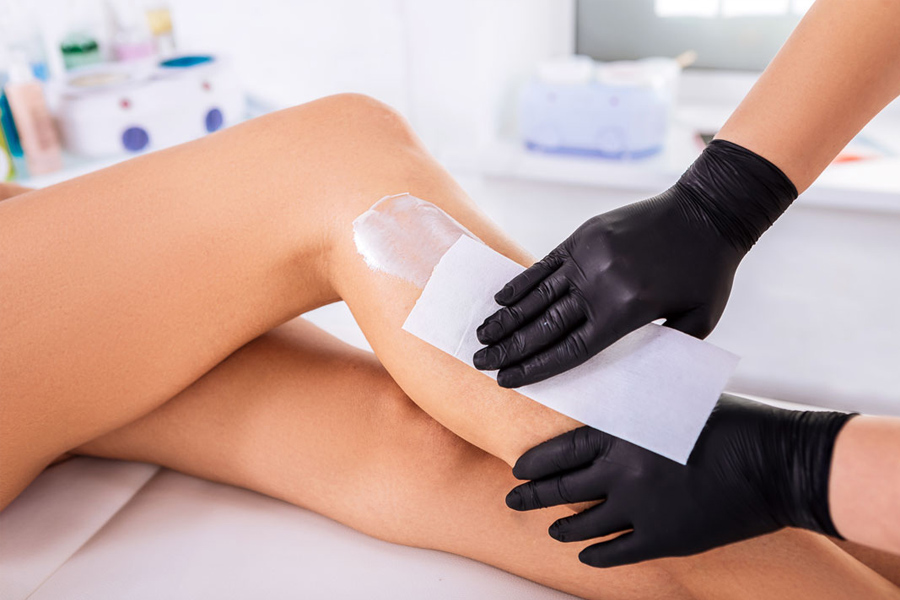
Why Professional Waxing Works
Because waxing removes hair from the base, regrowth is finer and slower than shaving. Waxing during active growth affords the longest smooth time for each follicle. Professional wax sticks to hair and, depending on kind, dead skin cells. Correct temperature, application, and removal angle matter. A skilled esthetician warms the wax to surround the hair shaft while protecting your skin. Instead of snapping a weed at the surface, lift it with the root intact.
Choosing the Right Method
There is no one-size-fits-all wax. The right choice depends on your skin, hair diameter, and the area being treated.
Hard wax sets on the skin and is removed without strips. It grabs hair more than skin, which makes it a favorite for sensitive zones like underarms and bikini. Soft wax stays tacky and is removed with cloth strips. It excels on larger, less sensitive areas such as arms and legs where speed matters.
Film wax is a thinner, elastic version of hard wax that melts at a lower temperature and hugs short stubble without tugging as much. Sugaring, made from sugar, water, and lemon, binds to hair and dead skin and is flicked off in the direction of growth. It can be gentler for those prone to ingrowns and is popular for coarse, curly hair.
If your skin is reactive, fragrance-free and rosin-free formulas may reduce redness. Communicate allergies and preferences up front so your professional can tailor the service.
When to Delay or Modify Waxing
Pause or change your routine sometimes. Oral isotretinoin, acne treatments, and recent courses may make your skin too brittle for waxing. Many doctors advocate waiting 6–12 months after quitting oral isotretinoin. Stop using topical retinoids 5–7 days before your appointment unless your prescription says otherwise. They can weaken the topmost layer.
After a chemical peel, microdermabrasion, laser resurfacing, or sunburn, wax when the skin is healed. Active dermatitis, open lesions, varicose veins, and uncontrolled diabetes require special attention and medical clearance. Many pregnant customers wax with a few tweaks for comfort, but expect increased soreness and ask for breaks.
Booking With the Hair Cycle
Timing your sessions pays off. Aim for hair about a quarter inch long. If you just shaved, waiting 2 to 3 weeks helps more hairs reach graspable length in the same cycle. Regular appointments every 3 to 5 weeks can gradually reduce density and sync growth, making each visit quicker.
Plan around your personal sensitivity. Many people feel more tender the week leading up to their period. Mid-cycle often feels easier. Hydrate well the day before and on the day of your appointment. Avoid heavy caffeine right before your service because it can heighten jitters.
The Room and the Rules: Hygiene You Deserve
Professional waxers must be clean. Expect clean, private treatment rooms, fresh sheets, and disposable applicators. Never re-dip a used stick in wax. For waxing, your provider should wear gloves, wash the skin, and use particular pre- and post-products. Tweezers should be cleaned between customers. Always check wrist or test region temperature.
If you are new, a consent form and a brief allergy and medication review is standard. Patch testing a small area 24 to 48 hours before a first-time facial wax can be wise if you have a history of reactions.
What Different Areas Feel Like
Not all waxing feels alike. Brows require accuracy and quick pulls. A brief, zingy blush on the upper lip settles quickly. First pass underarms are intense, then easier as regrowth thins. Legs are more about time than pain, with a contemplative pattern. Dense, coarse hair and highly innervated skin make bikini and Brazilian procedures sharper, but competent technique, hard or film wax, and skin tension can make them tolerable. Chest and back waxing may cause redness or lumps that heal with care.
Mild pinkness, temporary heat, or pinpoint bleeding can be normal in coarse areas. These usually calm within a few hours.
Your Comfort Playbook
Comfort involves two-way communication. Be honest about your pain threshold. If necessary, many customers take an over-the-counter anti-inflammatory 30–45 minutes before their consultation. Used properly and with expert clearance, topical numbing creams can assist; use them as instructed and give them time to operate before the session.
Breathe steadily and relax your jaw and hands during the service. Your esthetician may instruct you to hold the skin taut to reduce straining. Some pros employ counterpressure soon after a pull to reduce sting. Music, discussion, or guided breathing help pass the time by distracting your thoughts.
Aftercare Timeline for Calm Skin
Day 0 to 1:
- Keep the area cool and dry. Skip hot showers, saunas, heavy workouts, and friction from tight clothing. Avoid sprays, deodorants, or fragrances on freshly waxed skin.
- Apply a soothing gel with ingredients like aloe, bisabolol, azulene, or panthenol. Lightweight, non-comedogenic hydrators calm without trapping heat.
- If the area feels warm, a clean, cold compress can help. Pat dry. Do not rub.
Day 2 to 7:
- Introduce gentle exfoliation 2 to 3 times a week to deter ingrowns. Choose a mild chemical exfoliant suited to the area. For body, salicylic acid or lactic acid pads or washes are common. For the face, stick with lower strengths and patch test carefully.
- Keep moisturizers in the mix. Glycerin, squalane, and 5 to 10 percent urea can keep skin supple. Well-hydrated skin lets new hairs pass through the surface cleanly.
- Protect from the sun. Recently waxed skin is more photosensitive. Use a broad-spectrum sunscreen on exposed areas.
If you notice itching as hair begins to peek through, stay regular with exfoliation and moisturization. Resist the urge to pick or tweeze; it can derail the hair cycle and increase ingrowns.
Troubleshooting Common Reactions
Tiny whiteheads within a day or two may be folliculitis, a temporary inflammation from bacteria, sweat, or friction. Cleanse, apply an alcohol-free toning solution like witch hazel, and keep the area dry. If pustules worsen or you see spreading redness, reach out to your provider.
Hives or generalized welts point to a histamine response. An oral antihistamine may help some people, but only use medications that are appropriate for you. Cool compresses and soothing gels typically settle it within hours.
Ingrown hairs look like small bumps or dark dots just under the surface. Continued gentle exfoliation, warm compresses, and targeted serums with salicylic acid or tea tree oil can help. For stubborn, painful ingrowns, see a professional rather than digging at the skin, which risks scarring and infection.
Breakage can happen if hair is too short or if removal direction fights the grain. Bring this up with your esthetician so they can adjust technique or schedule.
Cost, Time, and Maintenance Planning
Area and density affect service length. Legs 30–60 minutes, brows 15 minutes, underarms 10–20, and Brazilian 20–45. First visits take longer. Pricing varies by location, training, and wax. Recurring appointment packs at many studios make upkeep cheaper and help you stay on track with your growth cycle.
Inclusive Care for Every Body
Professional waxing benefits all genders and hair types. Proactive exfoliation is crucial for coarse, curly hair, which loops back into the skin. After inflammation, deeper skin tones often develop post-inflammatory hyperpigmentation. Avoid hard scrubbing, stay hydrated, and use products with niacinamide or azelaic acid to balance tone without harshness to lessen this risk. Share your skin history and goals with your esthetician to choose appropriate methods and products.
Smart Questions to Ask Before You Book
What wax does the studio use and does it avoid double-dipping? Verify intimate service licensure and training. Request a patch test policy for sensitive skin. Request studio pre- and post-wax supplies and home care tips. Set time expectations and how to request breaks during the service. Professionals embrace these queries.
FAQ
Will waxing make my hair grow back thicker?
Hair may feel different during the first few regrowth cycles because ends are blunted differently than with shaving, but waxing does not biologically increase hair thickness. Many people notice softer, sparser regrowth with consistent appointments because fewer follicles remain in the same growth phase at once.
Can I work out after a wax?
It is best to wait 24 to 48 hours before intense exercise. Heat and sweat can irritate freshly opened follicles and increase the chance of folliculitis. If you must move, choose a low-sweat activity, wear breathable fabrics, and shower promptly.
Is numbing cream safe before a Brazilian wax?
Topical anesthetics can help some clients when used correctly. Apply only to intact skin, follow product directions, and allow sufficient time for absorption before your appointment. Always inform your esthetician about any product you have used so they can adjust cleansing and application.
How soon can I tan after waxing?
Avoid sun exposure and tanning beds for at least 48 hours. Waxed skin is more photosensitive and more susceptible to hyperpigmentation. If you plan to spray tan, wait until any post-wax redness has resolved and ensure the skin is clean and dry.
Why did I get bumps after underarm waxing?
Underarms are warm and occluded, which can spur irritation. Bumps may be a histamine response, ingrowns, or folliculitis. Keep the area cool and dry, avoid deodorant for 24 hours, use a soothing gel, and reintroduce deodorant gradually. If bumps persist or worsen, consult your provider.
How often should I wax to see less regrowth?
Most people do well with 3 to 5 week intervals. Staying consistent trains your timing to catch more hairs in the same stage. Over time, many clients report finer, slower regrowth and shorter appointments.
Can I wax if I use retinol on my face?
Pause topical retinoids on the treatment area at least 5 to 7 days prior, unless directed otherwise by your prescriber. Skin sensitized by retinoids is more prone to lifting. Resume retinol only after the skin has fully calmed, usually several days post-service.
Is sugaring better than waxing for sensitive skin?
Sugaring adheres primarily to hair and dead skin and can be flicked in the direction of growth, which some find gentler and less prone to breakage. Others do better with modern low-temperature hard waxes. The best method is the one your skin tolerates and your professional executes well.
What should I do if I get an ingrown hair?
Apply a warm compress, then use a gentle chemical exfoliant to encourage the hair to surface. Keep the area clean and moisturized. Avoid digging with tools or nails. If the ingrown becomes painful, cystic, or shows signs of infection, see a professional for safe removal and care.