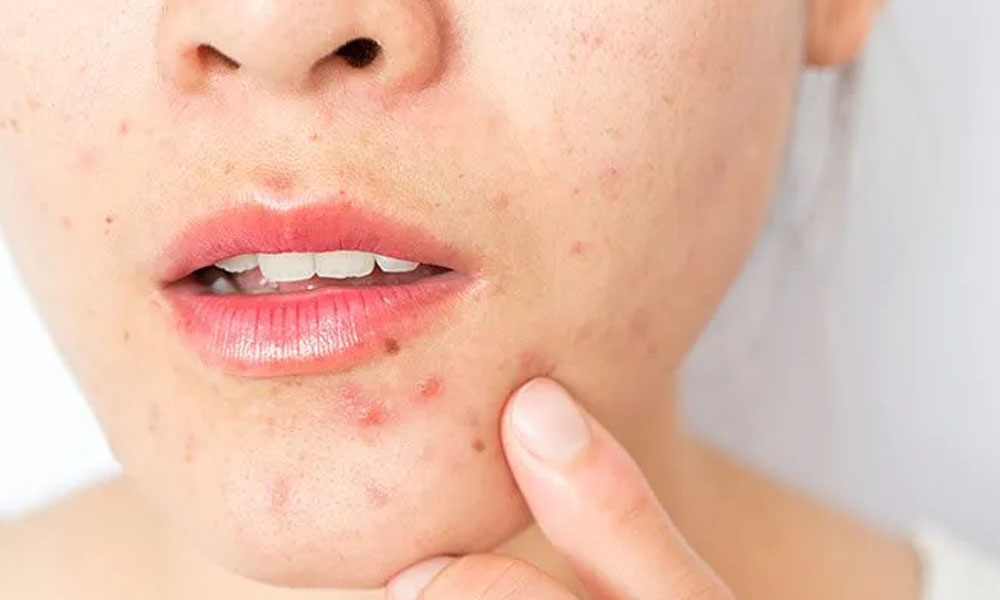
Acne is one of the most common skin conditions globally, yet it remains one of the most misunderstood. For years, many have blamed breakouts on a lack of hygiene or an occasional chocolate bar. However, the reality is far more nuanced. Acne is not just a surface-level issue; it is a complex condition driven by biological, genetic, and environmental factors.
The Biological Foundation: Sebum and Pores
At its core, acne begins when the skin’s natural oil production and cell shedding process fall out of balance. Your skin produces an oily substance called sebum to keep the surface hydrated and protected. Under normal circumstances, this oil travels up the hair follicles and onto the skin’s surface.
However, when the body produces excess sebum, it can become a “sticky” medium. When this excess oil mixes with dead skin cells that have failed to shed properly, it creates a plug. This combination clogs the pores, forming the foundation for whiteheads, blackheads, and more severe inflammatory acne.
Hormonal Triggers: The Driving Force
Hormones are arguably the most significant catalyst for acne development. During puberty, androgens—a group of hormones—increase significantly. This spike signals the sebaceous glands to enlarge and ramp up oil production. This explains why acne is so prevalent during the teenage years.
However, hormonal acne is not exclusive to adolescence. Many adults experience persistent breakouts due to hormonal fluctuations associated with menstrual cycles, pregnancy, menopause, or conditions such as polycystic ovary syndrome (PCOS). These internal shifts can make acne particularly stubborn and difficult to manage without professional intervention.
The Role of Bacteria and Inflammation
Acne is not caused by “dirty” skin, but bacteria do accelerate the process. Cutibacterium acnes is a bacterium that naturally resides on everyone’s skin. When a pore becomes clogged with oil and dead skin, it creates an oxygen-poor environment where this bacterium can thrive and multiply rapidly.
As the bacterial population grows, the body’s immune system responds to the irritation. This immune response leads to the redness, swelling, and pus-filled lesions we commonly recognize as pimples or cysts. Attempting to “scrub away” this bacteria often does more harm than good, as it can further irritate the skin barrier and spread inflammation.
Lifestyle, Diet, and Stress
While they may not be the primary cause, lifestyle factors can significantly influence the severity of breakouts. Recent research has highlighted a connection between diet and skin health. High-glycemic foods—such as white bread, sugary snacks, and processed cereals—cause rapid spikes in blood sugar. These spikes can trigger hormonal changes that further increase oil production. Some studies also suggest a link between dairy consumption and acne flare-ups in certain individuals.
Stress is another “silent saboteur” of skin health. While stress doesn’t directly cause a pore to clog, it triggers the release of cortisol. Higher cortisol levels are linked to increased sebum production and heightened inflammation, which can make an existing breakout much worse.
Genetics and Skincare Habits
If your parents struggled with acne, you are genetically more likely to experience it as well. Your DNA determines how much oil your glands produce, how quickly your skin cells turn over, and how aggressively your immune system reacts to bacteria.
Additionally, common skincare mistakes can perpetuate the cycle. Over-washing the face or using harsh, drying products can strip the skin of its natural moisture. In a desperate attempt to protect itself, the skin may overcompensate by producing even more oil. Using “comedogenic” or pore-clogging makeup and heavy creams can also contribute to the buildup of debris within the follicles.
Finding a Path to Clarity
Understanding the root causes of acne is the first step toward effective treatment. While over-the-counter solutions work for some, persistent or painful acne often requires a more tailored approach. Professionals can provide access to prescription treatments, specialized extractions, or advanced skin rejuvenation techniques. For individuals dealing with the aftermath of chronic breakouts, such as texture issues or scarring, exploring options like microneedling in Salt Lake City can help restore a smoother, more even complexion.
Acne is a complex journey, but it is one you do not have to navigate alone. By balancing consistent, gentle skincare with healthy lifestyle choices and professional guidance, achieving clear and healthy skin is an attainable goal.