Tactical gear plays a crucial role in ensuring the safety, efficiency, and success of operations for both military personnel and outdoor enthusiasts. Whether navigating challenging terrains, performing complex missions, or engaging in outdoor recreational activities, having the right equipment can significantly impact performance and survival. Understanding the most important types of tactical gear and how to select them is essential for anyone invested in outdoor preparedness and military readiness.
What Constitutes Tactical Gear?
Tactical gear typically refers to specialised equipment designed to enhance a user’s capability during demanding situations. This includes clothing, tools, protective gear, and accessories engineered for durability, functionality, and versatility. In military contexts, tactical gear assists soldiers in combat scenarios, providing protection and utility. For outdoor enthusiasts, the gear enables effective navigation, shelter, and safety in wilderness environments.
Durability and Functionality: Key Characteristics
Products classified as tactical gear are manufactured to withstand harsh conditions. They often feature materials resistant to water, abrasion, and impact. The design incorporates practical elements such as multiple compartments, adjustable straps, and compatibility with additional equipment. Functionality without compromising comfort is a core principle, facilitating quick access to tools and supplies when necessary.
Categories of Tactical Gear
The broad range of tactical gear can be categorised into several groups, each serving a distinct purpose. These include tactical clothing, footwear, backpacks, protective gear, navigation tools, and weapon accessories. Selecting appropriate gear depends on the intended use, environment, and level of threat or difficulty expected.
Tactical Clothing
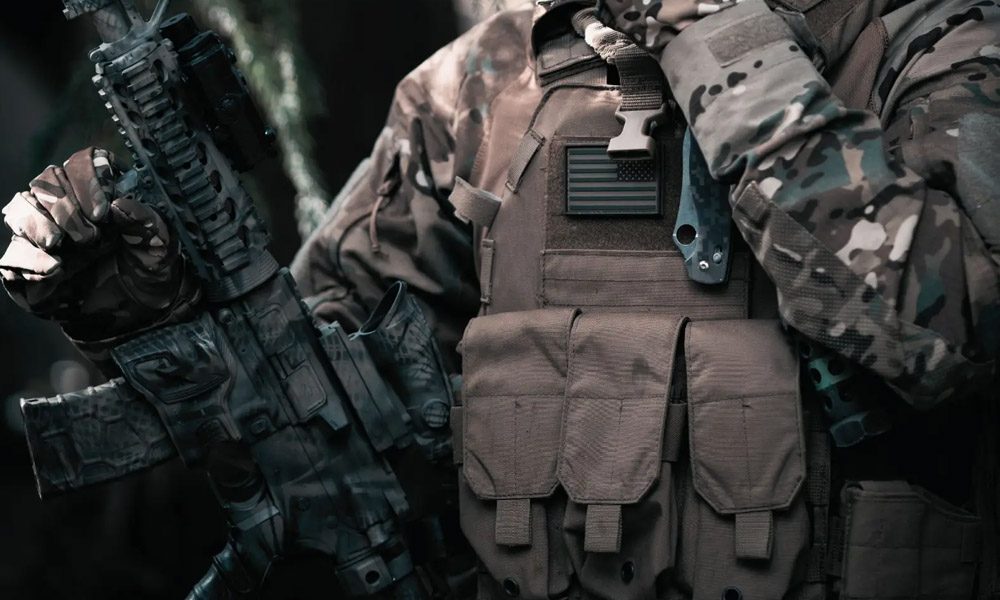
Tactical clothing forms the foundation of effective gear. It consists of uniforms, jackets, trousers, and gloves made from tough, breathable materials. These garments typically have reinforced stitching, pockets strategically placed for utility, and camouflage patterns suited to different environments. The design often incorporates moisture-wicking and quick-drying fabrics to maintain comfort during extended wear.
Footwear
Proper footwear is critical for mobility and injury prevention. Tactical boots are designed to provide ankle support, slip resistance, and protection from environmental hazards such as sharp objects or extreme temperatures. They also feature durable soles with tread patterns that offer good traction on varying terrains, which is indispensable for both military operations and outdoor adventures.
Backpacks and Load-Carrying Equipment
Carrying equipment efficiently is a vital aspect of tactical readiness. Backpacks intended for tactical use are robust and modular, often featuring MOLLE (Modular Lightweight Load-carrying Equipment) webbing for attaching pouches and accessories. They offer multiple compartments to organise gear, hydration bladder compatibility, and adjustable straps to distribute weight evenly, reducing fatigue.
Protective Gear
Safety is a primary concern in tactical situations. Protective gear includes helmets, ballistic vests, eye and ear protection, and gloves. Helmets designed for tactical use provide impact resistance and may incorporate mounts for night-vision devices or communication equipment. Ballistic vests offer protection against projectiles and shrapnel while maintaining flexibility.
Eye and Ear Protection
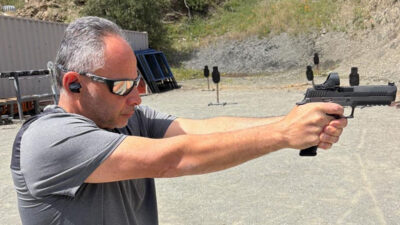
Protective eyewear shields against debris, ultraviolet radiation, and ballistic threats. Tactical goggles and glasses are built to meet rigorous standards, providing clear vision without compromising durability. Ear protection, such as tactical earmuffs or plugs, safeguards hearing within high-noise environments, which is particularly important during firearms training or combat scenarios.
Navigation Tools
Efficient navigation is indispensable for maintaining situational awareness. Tactical gear includes compasses, GPS devices, and maps designed for rugged use. Reliable navigation tools help users plot routes, track positions, and avoid hazards. Many modern tactical navigation devices are water-resistant and shock-proof, ensuring functionality in extreme conditions.
Communication Devices
Communication equipment such as radios and headsets are integral to tactical operations. These devices enable coordinated movement, sharing of intelligence, and emergency signalling. Tactical radios often feature encryption capabilities and noise-cancelling functions to maintain clear communication channels under adverse conditions.
Weapon Accessories
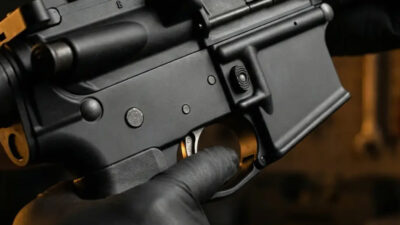
While tactical gear encompasses many items, weapon accessories are essential for enhancing the effectiveness of firearms. These include scopes, sights, slings, and tactical lights. Accessories improve accuracy, stability, and usability of weapons in various lighting and weather conditions. Tactical lights, for example, allow users to illuminate dark areas without compromising their position.
Importance of Quality and Compatibility
Selecting high-quality tactical gear that is compatible with other equipment is crucial. Inferior gear can fail during critical moments, leading to compromised safety and mission failure. Users should prioritise materials such as high-strength polymers, nylon, and ballistic fabrics known for their durability and performance.
Application for Military and Outdoor Enthusiasts
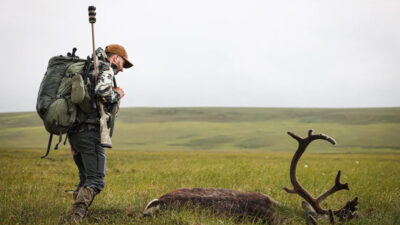
Though originally designed for military applications, tactical gear has become popular among outdoor enthusiasts due to its practicality. Hikers, hunters, survivalists, and emergency responders benefit from gear that provides protection, organisation, and reliability in unpredictable environments. Tactical gear supports long excursions by offering solutions for carrying supplies, shelter setup, and injury prevention.
Adaptability Across Different Scenarios
One of the strengths of tactical gear lies in its adaptability. Equipment designed for military scenarios is often versatile enough for civilian use, making it a preferred choice for individuals engaging in camping, trekking, or urban exploration. Modular components allow users to customise their kit according to mission-specific needs.
Training and Familiarisation
Effective use of tactical gear requires proper training and familiarisation. Users need to understand the functions of each item, maintenance requirements, and optimal usage techniques. For military personnel, this training is rigorous and ongoing. Outdoor enthusiasts can benefit significantly from instructional courses and hands-on practice to maximise gear utility.
Where to Acquire Tactical Gear
Purchasing tactical gear from reputable suppliers is essential to ensure authenticity and quality. Tactical gear retailers offering specialist equipment maintain stringent product standards and provide expert advice. Customers should prioritise vendors with positive reviews and comprehensive product information to make informed purchases.
Cost Considerations
While tactical gear can involve substantial expenditure, investing in reliable equipment is justified by its durability and performance benefits. It is advisable to balance budget constraints with quality requirements, focusing on items that offer the greatest impact on safety and mission success.
Conclusion
Essential tactical gear is indispensable for military personnel and outdoor enthusiasts alike. Items ranging from clothing and footwear to protective equipment and navigation tools collectively enhance operational capability and personal safety. Choosing well-designed, durable, and versatile gear tailored to specific needs enables users to perform tasks effectively in challenging environments.
Proper training and selection of high-standard tactical gear ensure preparedness for any situation. Resources such as tactical gear suppliers provide the necessary equipment to meet these demands, serving both professional and recreational users committed to excellence in outdoor and tactical pursuits.