Waterproofing professionals identify, prevent, and resolve water intrusion issues in residential properties. When moisture enters a home’s lower levels, it evaporates, increases indoor humidity, and creates conditions that promote wood rot and structural deterioration. As Avatina Property Management experts point out, sagging floors often indicate moisture-related damage. Here are a few signs of sagging floors and how to address them:
Uneven Sloping Surfaces
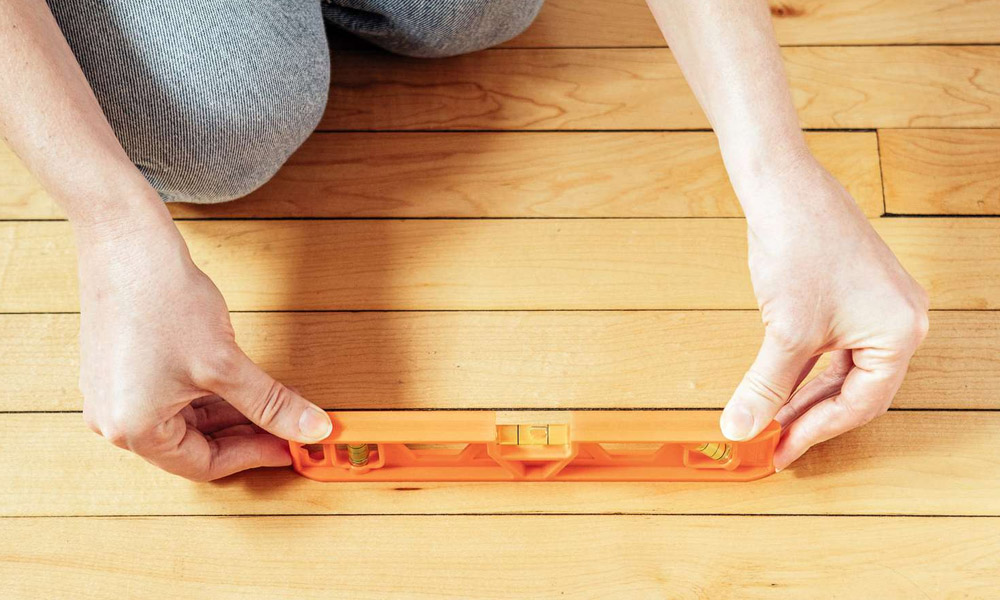
As the home’s framing system settles or deteriorates, floors often develop noticeable slopes and uneven surfaces. Homeowners may feel a dip while walking across a room or observe furniture sitting unevenly. Moisture-related damage is a frequent cause of floor sagging. Prolonged exposure to excess moisture weakens wooden floor joists, reducing their ability to support structural loads. Over time, the joists bend, causing sections of the floor above to sink. To identify the source and extent of the problem, contractors measure floor elevation and inspect the framing beneath the home. If additional support is needed, they install adjustable steel supports beneath weakened beams or joists to help stabilize and level the floor system.
Stuck Interior Doors
Sticking interior doors show that your home’s structural framing is shifting out of its original alignment. Sagging floors result when the lower support beams beneath a room begin to fail, altering the door frame shape. The top or side of the door may rub tightly against the wood trim or get jammed inside the frame.
Experts enter the lower levels to inspect the main beams and look for bowed joists or sinking concrete piers. If damp air is weakening your structural timber, professionals implement moisture control strategies. During the freezing winter months, specialized teams focus on crawl space encapsulation to block out wet, cold air. Eliminating the dampness stops structural wood from shifting, creating a stable foundation.
Maintaining structural stability beneath the home is essential when addressing uneven flooring or exterior wear. Excess humidity under the house can gradually weaken wooden support beams and subflooring over time. Evaluating appropriate crawl space moisture and insulation solutions helps preserve floor support, protect structural integrity, and maintain a stable foundation throughout seasonal weather changes.
Jammed Window Frames
Sagging floor joists affect more than the floor itself. As sections of the framing sink, the movement transfers stress to the walls above, causing window openings to shift. This change in alignment places added pressure on window frames and sashes. Homeowners often notice windows that stick, require extra force to open, or fail to close properly. In some cases, gaps appear around the window frame, indicating that the surrounding structure has moved. Contractors inspect the framing system to determine the location and severity of the settlement. When additional support is required, they install heavy-duty steel supports on engineered footings or concrete bases within the crawlspace. The supports transfer structural loads and help stabilize weakened areas of the floor system. Technicians then make gradual adjustments to raise sagging joists and improve alignment. As the framing returns closer to its intended position, stress on the walls and window openings decreases, allowing windows to operate more smoothly.
Cracked Drywall Surfaces
Sagging floor joists or support beams place uneven stress on the home’s framing. As sections of the structure settle, drywall and plaster often develop cracks where movement concentrates. These cracks frequently appear above doors and windows or extend diagonally from the corners of openings. Over time, continued movement may cause existing cracks to widen and new cracks to form. Homeowners also notice gaps around trim, uneven door frames, or doors that no longer close properly. To determine the extent of the problem, technicians evaluate several factors, including:
- Floor elevation and levelness throughout the home
- Beam and joist deflection
- Moisture levels in structural wood
- Signs of foundation movement or soil settlement
- The condition of crawl space supports and load-bearing components
Learn More About Sagging Floors
If your home’s underlying wood framing has severe rot or cracks, contractors focus on floor joist repair or replacement. For shifting soils underneath your home, experts implement foundation repair. Contact a reputable waterproofing company to learn more about their solutions when dealing with sagging floors.