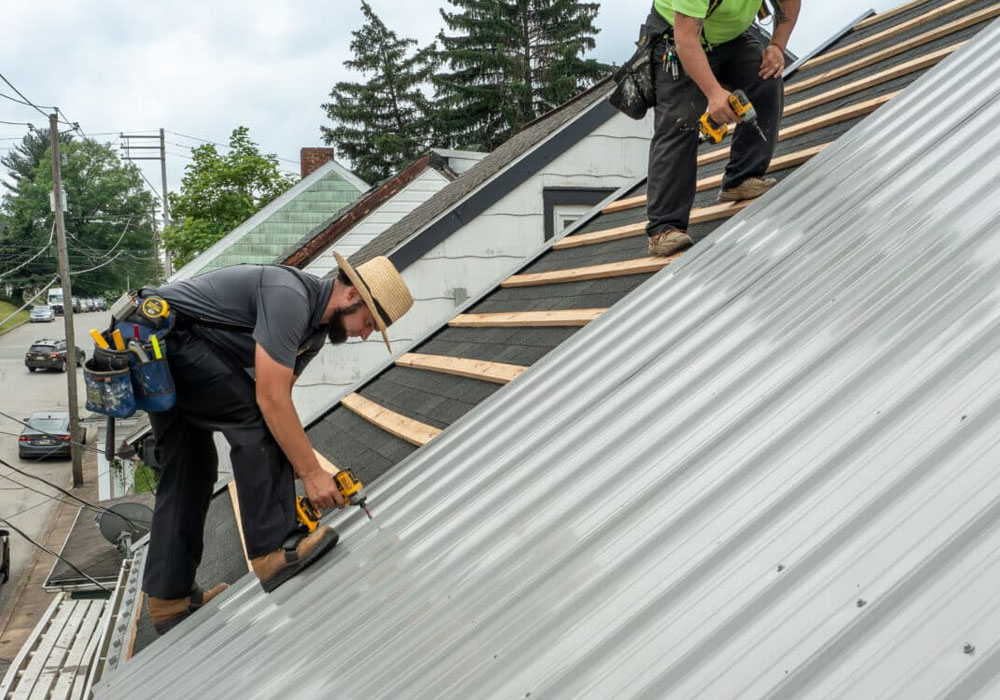
Metal roofs are designed to stay structurally sound through extreme seasonal temperature changes without warping or cracking. When installed by a professional contractor, the natural expansion and contraction of the steel panels are carefully accounted for. Here is what to expect during a metal roofing installation:
Structural Preparation
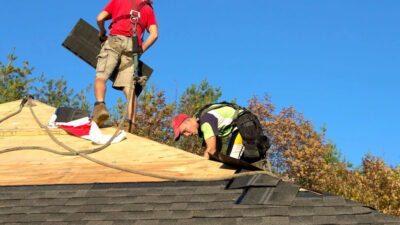
Structural preparation involves evaluating the existing roof skeleton to confirm it will support the new materials, point out Rollingwood Management professionals. If a contractor discovers weakened supports or sagging rafters, they reinforce or replace them. After removing the old roofing materials, workers inspect the wood decking for hidden signs of rot, damage, or biological growth. Replacing damaged plywood sheets provides a flat surface for the new metal system to grip.
Synthetic Underlayment Deployment
Professionals install a water-resistant underlayment that serves as a protective barrier against the elements. Modern synthetic underlayment is typically made from durable polypropylene or polyethylene materials engineered for high tear strength and long service life. It is designed to withstand temperature changes and temporary weather exposure during installation beneath the metal roofing panels.
Installers roll the material across the wood decking, keeping it taut to prevent wrinkles or bubbles that could trap moisture. As they install successive rows, they maintain precise overlap distances so water sheds properly from upper layers to lower ones without seeping beneath the system. The underlayment is secured using nails or fasteners, which help prevent water intrusion at fastening points. These fasteners also keep the material stable and resist wind uplift before the metal panels are installed.
In colder climates, some installers apply a self-adhering ice-and-water membrane in vulnerable areas such as eaves, valleys, and roof penetrations. This offers added leak protection. Once the decking is fully covered, the underlayment provides a temporary weather-resistant layer that helps protect the structure from light rain during installation.
Drip Edge Integration
Drip edge installation involves placing angled metal flashing along the roof’s edges to manage water runoff. This custom-formed component is installed along both the eaves and rakes, typically before the main roofing panels are installed. A properly installed drip edge directs rainwater away from the roof edge and into the gutter system.
At the rakes, the flashing is installed over the synthetic underlayment, while at the eaves, it is installed beneath the underlayment to create a continuous drainage path. The installation crew secures the drip edge with corrosion-resistant nails placed at regular intervals. Joints are overlapped rather than gapped to accommodate thermal expansion; this offers a continuous and watertight edge system.
Final Roofing Completion
After the metal roofing panels are fully installed and all flashing and trim work is complete, the crew performs a detailed cleanup of the job site. This step makes sure the finished roof is safe, clean, and free of leftover installation materials. Contractors remove construction debris such as packaging, offcuts, fasteners, and small metal fragments from the work area.
On the roof itself, they sweep across the installed metal panels to clear away metal shavings and drilling residue that could stain or corrode the surface if left behind. On the ground, the team carefully checks the yard and walkways for dropped scraps or sharp pieces; this helps make sure the property is safe to walk on after the installation is complete. The result is a finished metal roof installation with a clean roof surface and a cleared work area.
Taking proactive steps to maintain a roof can prevent minor leaks and structural wear from turning into costly emergency repairs. Homeowners who take time to explore roofing options with Grace Roofing LLC often find that addressing small issues early helps protect their overall property investment while keeping long-term maintenance costs predictable and manageable.
Learn More About Metal Roofing
Some metal roof installations include optional upgrades that improve performance and reduce maintenance. Contractors may add gutter guards to keep debris out of the drainage system and continuous ridge vents to support attic airflow and temperature control. These features work with the metal roofing system to improve durability in changing weather conditions. Contact a reputable roofing contractor to learn more about available installation options.