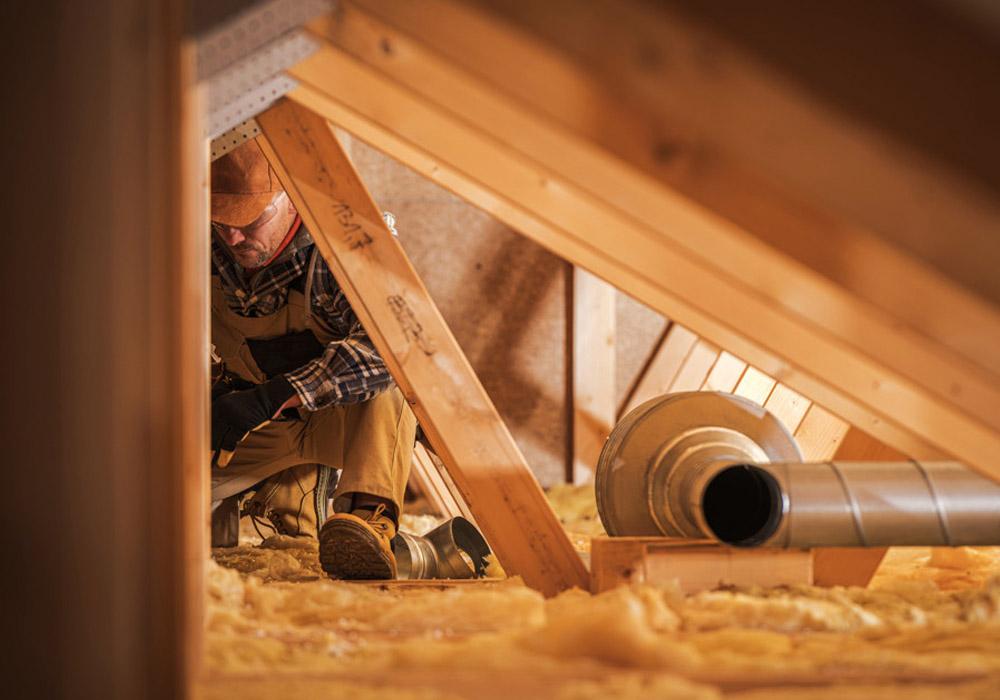
Humid summers, cool winters, and quick temperature shifts can reveal weak attic insulation. The attic separates the roof from the rooms below, so its condition affects comfort. Thin, damp, or uneven material lets heat pass through the ceiling. Let’s explore why this hidden part of a home deserves attention.
Heat at the Roofline Affects Indoor Comfort
Roof heat reaches rooms below when the thermal layer lacks depth. Attic insulation in Alexandria slows heat transfer and may steady room temperatures. Weak coverage can leave upstairs rooms hot by afternoon. In colder months, indoor heat can escape through this area.
Thermal material works with air seals, vents, and the roof structure. Gaps around hatches, pipes, and wires release conditioned air. A review of the upper space locates open areas before new material goes in. This gives work a clear first step.
Uneven Coverage Can Raise Energy Use
Uneven coverage may force heating and cooling equipment to run longer. Exposed areas lose heat resistance and affect nearby rooms. Fiberglass, cellulose, and foam suit cavity shapes. Each product needs even placement to perform well.
A review of attic insulation in Alexandria can reveal ceiling-plane gaps. Better coverage may ease HVAC demand in hot and cold months. Duct leaks near upper floors add to energy loss. An assessment shows where air seals may help.
Moisture Can Affect Attic Materials in Alexandria
Humidity and roof leaks can affect insulation before ceiling stains appear. Damp material may flatten and offer less heat resistance. Moisture can reach wood framing near vents, chimneys, and roof penetrations. A dry attic supports the intended performance of insulation.
Vent paths need to stay clear after insulation work. Soffit and ridge vents may move warm, humid air through the attic. Roof repairs, ventilation, and insulation need review as connected parts. This may reduce repeat moisture issues after a project.
Signs of Weak Coverage in the Upper Space
Some clues show in living areas, while others are visible above ceilings. Uneven room temperatures can point to thin coverage or air leaks. High utility bills have several causes, so the roof cavity needs a full check. Visible gaps, flat material, and damp marks deserve attention.
Details to Check Before Work Starts
- Thin material near exterior walls may allow heat through the ceilings.
- Dark marks near the roof framing can suggest moisture from a leak or trapped humidity.
Access panels, ducts, and recessed lights need clear space around them. Each feature can affect thermal-layer depth and placement. For homes in Alexandria, these details may help prevent weak spots across the top floors. Notes from a review can guide repair plans and material estimates.
Installation Details, Shape, and Long-Term Results
Material choice alone does not determine attic performance. Compressed batts, blocked vents, and missed gaps can reduce its value. Proper depth and complete coverage keep the protective layer consistent. Clearance near heat sources, fixtures, and ducts also matters.
A qualified review can confirm that the roof cavity suits the product. Checks may cover roof leaks, access, moisture, and local code requirements. Homeowners in Alexandria can compare work scopes. They connect insulation choices to practical home needs.
Attic insulation supports comfort, moisture control, and energy use across the year. Air leaks, roof defects, and blocked vents can still affect the result. A full review of the roof attic can reveal where action may help in Alexandria. That first step makes a hidden area easier to manage.