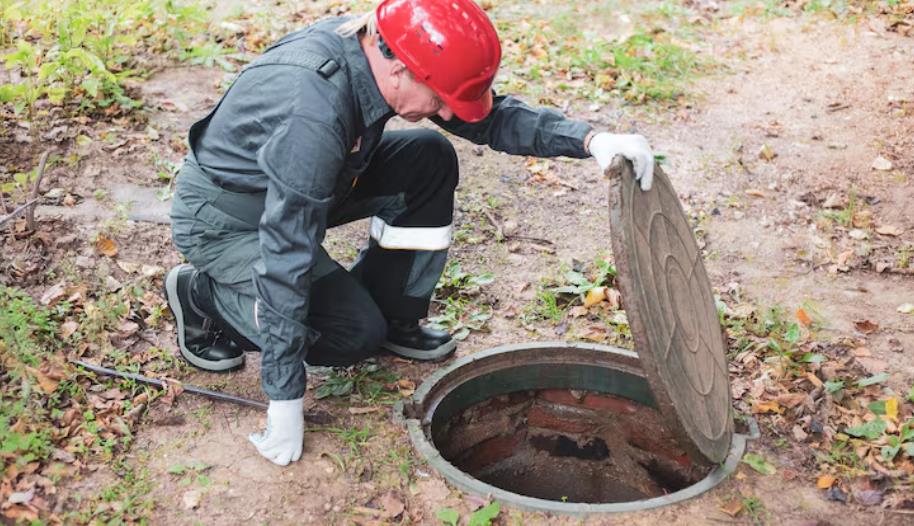
A properly working home waste system is essential for maintaining a clean, healthy, and comfortable living environment. It quietly handles wastewater from your kitchen, bathrooms, and laundry, making everyday life much easier. However, without regular care and maintenance, problems such as blockages, unpleasant odors, and costly repairs can quickly develop. By following a few simple maintenance practices, homeowners can keep their waste systems working efficiently for many years.
Understand How Your Waste System Works
The first step in maintaining your home’s waste system is understanding its basic function, reports the VerraTerra Property Management team. Wastewater from your home flows through pipes into a treatment system where solid waste settles while liquid waste is safely filtered into the surrounding soil. Knowing how the system operates helps you recognize early warning signs of trouble and encourages better maintenance habits that can prevent expensive issues in the future.
Maintaining underlying property infrastructure is essential when working to improve a home’s overall exterior condition. Routine waste system care helps avoid unexpected drainage issues that can disrupt outdoor spaces. Homeowners focusing on long-term yard upkeep often rely on residential septic services in Loganville to handle regular maintenance and keep their wastewater systems functioning properly without impacting surrounding areas.
Be Careful About What Goes Down the Drain
One of the easiest ways to protect your waste system is by paying attention to what enters your drains. Avoid flushing wipes, paper towels, hygiene products, grease, cooking oils, coffee grounds, or harsh chemicals. These materials can clog pipes, damage the system, and reduce its efficiency over time. Using drains responsibly helps your entire waste system perform better and reduces the risk of unexpected breakdowns.
Schedule Regular Septic Tank Maintenance
Routine maintenance is one of the most important parts of protecting your home’s waste system. Over time, solid waste naturally builds up inside the tank. Without proper removal, this buildup can lead to backups, unpleasant smells, and damage to the drainage field. Hiring professional septic tank cleaning services on a regular schedule helps remove accumulated waste before it becomes a serious problem. Experienced technicians can also inspect the system for early signs of wear, allowing homeowners to address minor issues before they become costly repairs.
Conserve Water Whenever Possible
Using excessive amounts of water can place unnecessary stress on your waste system. Simple habits like fixing leaking faucets, installing water-saving fixtures, and spreading laundry loads throughout the week can make a significant difference. Reducing water usage allows the system enough time to process wastewater effectively, improving its overall performance and extending its lifespan.
Protect the Drain Field
The drain field plays a vital role in treating wastewater after it leaves the tank. Keep this area clear by avoiding parking vehicles, placing heavy structures, or planting trees with deep roots nearby. Heavy weight can compact the soil, while tree roots may damage underground pipes. Maintaining a healthy drain field helps ensure wastewater is filtered properly and safely.
Watch for Early Warning Signs
Regularly paying attention to changes around your property can help identify problems before they become severe. Slow drains, unpleasant odors, standing water near the drain field, or unusually green patches of grass may all indicate that your waste system needs attention. Acting quickly when these warning signs appear can prevent larger repairs and reduce maintenance costs.
Conclusion
Keeping your home waste system running smoothly does not require complicated maintenance. Simple habits such as proper waste disposal, conserving water, protecting the drain field, and scheduling professional septic tank cleaning services can significantly improve the system’s performance and lifespan. With regular care and timely inspections, homeowners can avoid expensive repairs while ensuring their waste system continues to operate safely, efficiently, and reliably for years to come.