Key Takeaways
- Regular tree maintenance is crucial for safety and aesthetics.
- Understanding seasonal care helps trees thrive year-round.
- Professional services can address complex tree care needs.
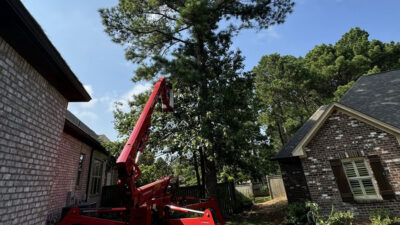
Maintaining healthy trees is essential for homeowners in Albany, NY, where the changing seasons present unique challenges. Proper tree care not only enhances the beauty of your property but also ensures safety and contributes to the local environment. For tasks that require professional expertise, such as certified tree removal in Albany NY or stump grinding, it’s advisable to consult experienced professionals. Tree And Stump Removal Service, a locally owned and family-operated company with over 26 years of experience, offers expert tree care services in Albany and the surrounding areas. Their team of certified arborists provides services including tree removal, trimming, and stump grinding, ensuring your property remains safe and aesthetically pleasing.
Seasonal Tree Care Tips
Albany’s distinct seasons require tailored tree care strategies:
- Spring:Inspect trees for winter damage and begin light pruning. Apply mulch to retain soil moisture.
- Summer:Water deeply during dry spells and monitor for pests.
- Fall:Remove fallen leaves to prevent disease and prepare trees for winter.
- Winter:Protect young trees from frost and avoid heavy pruning.
In addition to these basic care tips, considering Albany’s climate, it is also important to monitor for late spring frosts, which can occur unexpectedly and damage new growth. During particularly wet springs, root rot may be a risk, so keeping an eye out for prolonged soggy soil conditions can help mitigate long-term impact.
Summer in Albany can sometimes bring periods of drought, making deep and infrequent watering critical as opposed to frequent shallow watering. During humid stretches, fungal diseases can also proliferate quickly, so actively checking for leaf spots or mildew becomes crucial.
The Importance of Pruning
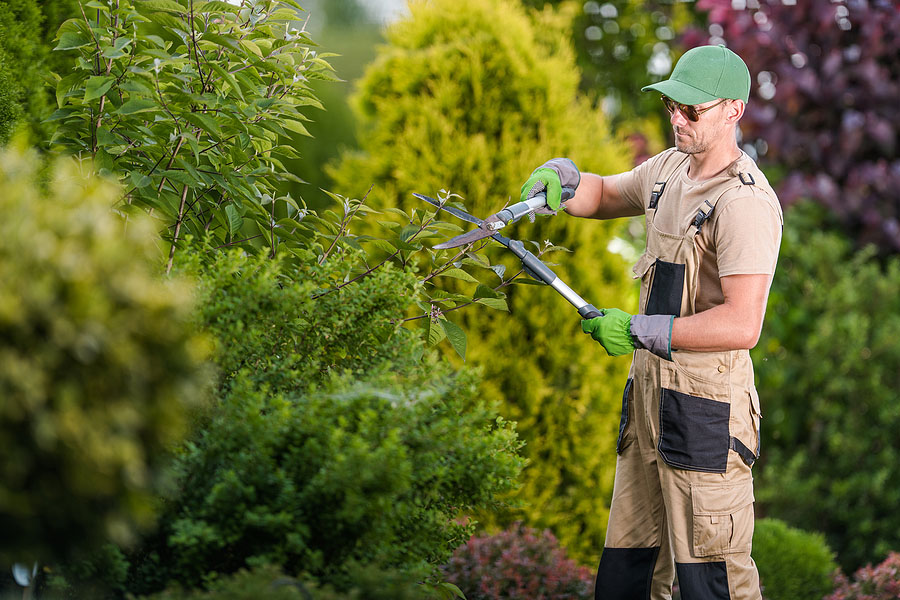
Pruning enhances tree health by removing dead or diseased branches, improving structure, and promoting new growth. It’s best performed during dormancy in late winter or early spring to minimize stress on the tree.
Proper pruning can also help prevent storm damage, a particular concern in the Albany area due to occasional severe weather. Removing weak, crossing, or overextended branches helps the tree better distribute wind forces and reduces the likelihood of branch breakage.
If you’re unsure about how to prune, consult professional arborists to avoid improper cuts that could otherwise harm the tree. Some species, such as maples and birches, bleed sap profusely if pruned at the wrong time, so knowing species-specific timing is important.
Pest and Disease Management
Regular inspections can identify early signs of pests like aphids or diseases such as powdery mildew. Early detection allows for prompt treatment, reducing the risk of widespread damage.
Insects such as emerald ash borer and Asian longhorned beetle are significant concerns in the Northeast. Keep an eye out for D-shaped exit holes or bark splitting, both signs of infestation. Taking preventive actions and reporting suspected invasive pests to local extension offices can help safeguard not only your trees but the community’s urban forest as well.
Soil Health and Mulching
Healthy soil provides essential nutrients. Testing soil pH and nutrient levels can guide fertilization. Applying a 2–4 inch layer of mulch around the base of trees helps retain moisture and suppress weeds.
When mulching, be sure not to pile mulch directly against the trunk (‘volcano mulching’), as this can lead to excess moisture around the bark, encouraging rot and pest infestations. Extending mulch as far as the tree’s dripline replicates the natural forest floor, encouraging stronger and more extensive root growth.
Proper Watering Techniques
Deep watering encourages strong root systems. Water trees slowly and deeply, especially during dry periods, ensuring moisture reaches the root zone.
For newly planted trees, watering is crucial during the first two years. Creating a small berm or basin around the planting hole helps concentrate water at the roots. During heatwaves, check soil moisture regularly and water when the top several inches become dry.
When to Seek Professional Services
For complex tasks like large branch removal or treating advanced diseases, consulting certified arborists is advisable. They have the expertise to handle such issues safely and effectively.
Professional tree care providers can also offer hazard assessments, which are particularly valuable after significant storms. Trained arborists can identify subtle signs of internal decay or structural instability that homeowners might miss, helping to prevent property damage or injury.
Community Tree Care Initiatives
Albany actively promotes urban forestry. For instance, the city celebrated Arbor Day by planting 14 new trees, enhancing the urban canopy and community well-being.
The city regularly partners with local organizations and educational institutions to offer tree planting and care workshops. Volunteering for neighborhood tree planting events is a great way to connect with your community, learn hands-on skills, and contribute to a greener, more resilient Albany. Participating in local tree inventory or citizen science programs can also help track the health of the urban forest and guide future planting efforts.
Frequently Asked Questions
How often should I prune my trees?
Most trees benefit from annual pruning during their dormant season. However, the frequency can vary based on species and health.
What are signs that my tree is unhealthy?
Indicators include discolored leaves, dead branches, unusual growths, or visible pests. If you notice these signs, consider consulting a professional.
Can I remove a tree on my property without a permit?
Albany may have regulations regarding tree removal, especially for large or historic trees. It’s best to check with local authorities before proceeding.
How can I protect my trees during winter?
Applying mulch, wrapping young trees, and avoiding salt near roots can help protect trees from winter damage.
Are there local resources for tree care assistance?
Yes, organizations like the University at Albany offer programs to improve urban forests.
By adopting these tree care habits, homeowners in Albany can ensure their trees remain healthy and vibrant, contributing to the beauty and ecological health of the community. In the long run, consistent maintenance supports the longevity of trees, increases property value, and sustains wildlife habitats. Strong neighborhood involvement in tree care helps foster a safer, greener, and more connected city for all residents.