Key Takeaways
- Coastal landscaping in North Carolina requires an understanding of salt, wind, sandy soil, and potential flooding
- Choosing salt-tolerant native plants is essential for a thriving, resilient yard
- Nature-based erosion control, permeable materials, and targeted maintenance are key strategies for sustainable landscapes
- Partnering with experienced local professionals can ensure the longevity and beauty of your coastal property
Introduction
The coastal region of North Carolina is famous for its stunning views, mild winters, and distinct climate. However, maintaining a thriving landscape here is uniquely challenging. Sandy soils, salt spray, persistent winds, and erosion threats require a strategic approach to design and plant selection. Homeowners seeking a yard that thrives year-round must consider solutions that address these factors from the ground up.
Working with a dedicated landscaping service in Coastal North Carolina can significantly streamline the process. Albemarle Landscapes And Tree Service is highly regarded for its comprehensive solutions tailored to the coastal environment. Serving regions such as the Outer Banks and Albemarle Sound, their team integrates site planning, native plant expertise, erosion control, and sustainable garden management into each project. Their commitment to local best practices and deep knowledge of North Carolina’s unique coastal ecology position them as a trusted authority, helping homeowners achieve beautiful, durable landscapes that last in this distinctive setting.
Understanding Coastal Challenges
Living near North Carolina’s coast translates to daily exposure to the elements. Salt spray from the Atlantic Ocean or Intracoastal Waterway can accumulate on plants, weakening cell structures or burning foliage. The frequent high winds typical of open coastal areas increase evaporation, stressing plant roots. Additionally, sandy soils underlying much of the region have poor water retention and limited organic matter, while storm-driven floods can force excess water and debris into yards. These challenges mean that traditional landscaping techniques or non-native plants often fail, emphasizing the need for adaptations that work with, not against, the local environment.
Choosing Salt-Tolerant Plants
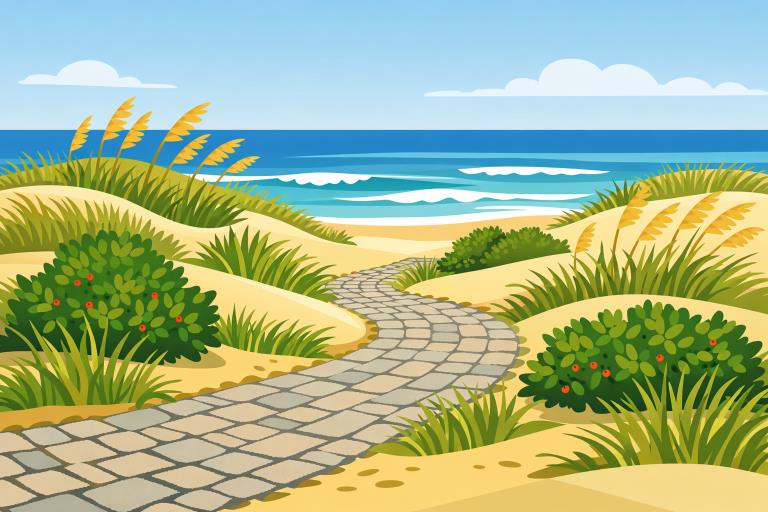
Selecting the right plants is the first and most vital decision for a long-lasting landscape. Native plants such as Yaupon Holly, Sea Oats, and Saltmeadow Cordgrass have evolved for life in coastal environments. Yaupon Holly, for example, easily tolerates both pruning and salt spray. Its evergreen foliage and red berries bring year-round interest and habitat value to yards. Sea Oats stabilize dunes with their deep roots and are essential to natural shoreline defense. Integrating native grasses and shrubs encourages biodiversity, attracts pollinators, and reduces the need for synthetic inputs, promoting a landscape that is not only beautiful but also ecologically responsible.
Implementing Living Shorelines
Erosion control is a pressing concern along much of North Carolina’s coastline, where tides, storms, and boat wakes can wear away property boundaries. Living shorelines, nature-based solutions that use native plants, marsh grasses, and biodegradable materials, offer a sustainable solution. These installations absorb wave energy, reduce soil loss, and create habitat for native wildlife, all while blending seamlessly with the natural environment. Homeowners can follow the example set by local initiatives, such as the living shoreline constructed along the causeway between Swansboro and Cedar Point, designed to protect vital roads and private land from rising seas.
Incorporating Permeable Materials
In areas with heavy rainfall and occasional flooding, impervious materials like concrete and asphalt often worsen runoff issues. Switching to permeable paving in driveways, walkways, and patios allows water to soak into the ground, nourishing roots and reducing the burden on drainage infrastructure. These surfaces can be made from porous pavers, gravel, or open-jointed bricks. Projects like those led by the University of North Carolina Wilmington, which upgraded access roads with permeable materials, demonstrate how well these adaptations limit flooding and reduce pollutant-laden runoff in sensitive coastal watersheds. For more on the benefits of permeable surfaces and sustainable urban infrastructure, see this resource from the Environmental Protection Agency: Benefits of Green Infrastructure.
Regular Maintenance and Monitoring
Ongoing care is necessary to ensure a healthy, lasting landscape. Regularly check for signs of erosion, standing water, or plant stress after storms or droughts. Promptly remove invasive species, which can quickly outcompete native species. Maintaining functional drainage, replanting damaged areas, and keeping mulch or ground covers replenished all protect the landscape from the harshest elements. Creating a maintenance schedule, monthly, seasonally, and after major weather events, helps prevent minor issues from becoming costly or irreversible.
Partnering with Local Experts
The most successful coastal landscapes benefit from insight and collaboration with regional professionals. Companies like Albemarle Landscapes And Tree Service bring deep, location-specific expertise to every aspect of planning, installation, and maintenance. Their team offers soil improvement, salt-tolerant garden design, stormwater management, and specialized pruning techniques relevant to properties from Corolla to Elizabeth City. For homeowners, working closely with local professionals means access to current best practices, reliable service, and peace of mind that their investment is protected from both sudden weather and gradual coastal change.
Conclusion
Thriving in coastal North Carolina’s landscape means embracing its unique challenges with informed choices and creative, sustainable solutions. By prioritizing salt-tolerant native plants, using nature-based, permeable materials, and partnering with regional experts, you can create an outdoor space that is not only beautiful but also built to endure. Regular maintenance and a willingness to adapt as conditions shift will help your coastal yard remain a source of pride and relaxation for years to come.
Frequently Asked Questions
- What are the best plants for coastal North Carolina landscapes?
- Salt-tolerant natives like Yaupon Holly, Sea Oats, and Saltmeadow Cordgrass perform exceptionally well due to their adaptability and resilience against coastal stresses.
- How can I prevent erosion in my coastal yard?
- Combining living shorelines with deep-rooted native vegetation and permeable paving offers effective and environmentally friendly solutions for erosion control.
- Are permeable materials effective in reducing runoff?
- Yes, permeable materials support water infiltration, promote healthier plant growth, and reduce the risks of flooding and pollution in vulnerable coastal ecosystems.
- Why is regular maintenance important for coastal landscapes?
- Continuous monitoring and care allow you to address issues early, support plant health, and extend the life of landscape features exposed to coastal conditions.
- How can local landscaping services assist with coastal challenges?
- Trusted local services like Albemarle Landscapes And Tree Service understand the region’s complex needs. They can deliver customized planning, planting, and maintenance, ensuring enduring beauty and function in coastal environments.