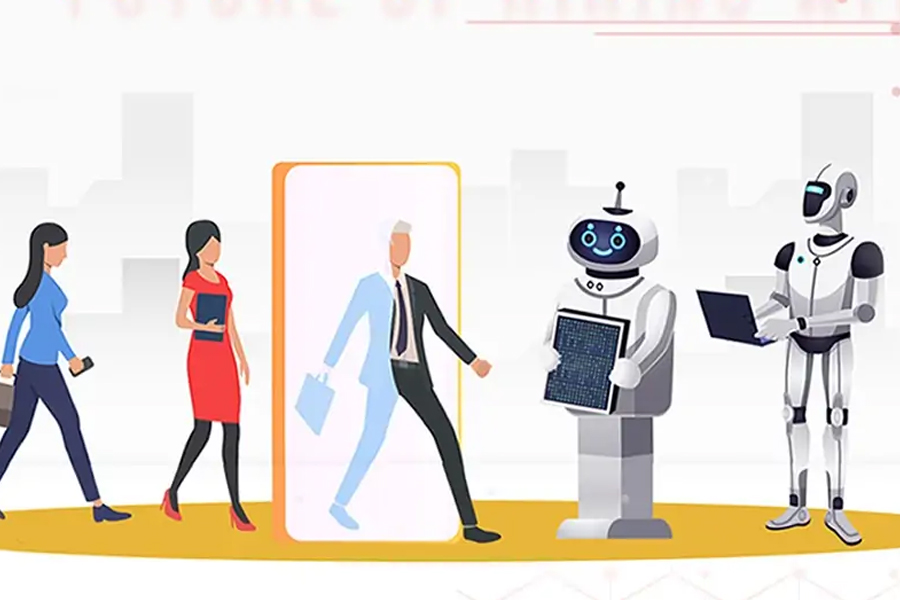
Key Takeaways
- AI-powered tools are revolutionizing the recruitment landscape by automating repetitive tasks.
- Companies are experiencing significant reductions in time-to-hire and improvements in candidate quality.
- Despite technological advancements, the human element remains crucial in the hiring process.
In today’s competitive job market, organizations are adopting intelligent recruiting tools to streamline talent acquisition processes. These advanced platforms are revolutionizing the way companies identify, engage, and hire candidates, leading to significant improvements in both efficiency and quality. With automation and machine learning at their core, these tools bring a new era of precision and speed to hiring.
The adoption of artificial intelligence in recruiting not only saves valuable time but also enhances the candidate experience, paving the way for fairer and more transparent hiring practices. For companies weighing the choice between different software solutions, understanding the recruiting CRM vs ATS difference can be crucial in building an effective recruitment tech stack. As technology transforms every industry, recruitment is no exception, with AI seeping into every aspect of connecting employers with talented professionals.
The Role of AI in Modern Recruitment
Notably, popular job platforms are setting the bar with AI-powered sourcing assistants that have enabled organizations to cut hiring times by over 30 percent. Many of these modern employment sites continuously integrate intelligent features to help employers target active job seekers more efficiently. This kind of efficiency allows recruiters to focus on building strong relationships with top talent rather than wading through administrative work. According to an article by Forbes, AI is speeding up early-stage candidate sourcing and advancing the goal of impartial, skills-based hiring.
Benefits of Implementing AI in Hiring
Deploying AI in recruitment processes yields several compelling benefits:
- Time Efficiency:AI tools can automate repetitive recruitment steps, reducing time spent on initial candidate screenings. This allows human resource professionals to focus on meaningful interactions with both applicants and hiring managers.
- Improved Candidate Quality:Sophisticated algorithms quickly compare applicant backgrounds against specific job requirements, consistently surfacing better-fit candidates. As a result, companies can fill positions with individuals who are well aligned to both role and culture.
- Enhanced Candidate Experience:Automated communications and self-service scheduling portals create a seamless and engaging experience for applicants, boosting employer brands.
One example involves large companies integrating AI-enabled chatbots to communicate with candidates right from their first inquiry. This innovation has led to drastic reductions in recruitment cycle times, with organizations like General Motors striving to bring down hiring from months to mere hours for certain positions.
Challenges and Considerations
Despite the clear advantages, incorporating AI into hiring does not come without its challenges. Ensuring that the underlying algorithms are free from bias is critical since flawed data or logic can inadvertently perpetuate discrimination. Organizations must rigorously test and audit their AI tools to align with equal opportunity standards.
Additionally, successfully integrating new AI platforms with legacy HR systems can pose technical hurdles. Such integration projects require careful planning and dedicated resources to ensure a smooth transition and minimize operational disruptions. Finally, while automation creates efficiencies, nurturing human connections continues to be central for interpreting nuanced information and making empathetic decisions, elements that machines are not yet capable of replicating. Reliable sources like the Society for Human Resource Management highlight the importance of maintaining transparency and accountability in AI-powered recruitment.
Future Trends in Recruitment Technology
The next chapter in recruitment technology focuses on even greater levels of sophistication and personalization. Agentic AI systems are emerging, capable of making autonomous decisions about candidate engagement, task prioritization, and workflow optimization. These AI “agents” act on behalf of recruiters and hiring managers to expedite sourcing and hiring at scale.
Data analytics advancements are expected to provide deeper insight into market trends, application funnels, and candidate behaviors. Companies will be able to identify skills gaps, forecast hiring needs, and adapt their strategies with unprecedented precision. Personalized candidate engagement, driven by machine learning, will allow organizations to anticipate and meet job seekers’ expectations at every touchpoint.
Conclusion
The landscape of hiring is undergoing dramatic change thanks to intelligent recruiting tools that combine automation, data analysis, and human insight. These advances promise a future in which hiring is faster, smarter, and more equitable. While it is essential for organizations to stay mindful of challenges related to integration and fairness, the strategic deployment of AI in recruitment processes gives companies a distinct edge in attracting and retaining the best talent in an increasingly dynamic job market.



Artificial intelligence has rapidly gained ground in talent acquisition by automating critical activities such as resume screening, candidate matching, and interview scheduling. These AI-driven components evaluate vast amounts of data in seconds, offering recruiters a shortlist of highly qualified candidates. The data-driven approach minimizes subjective bias that can creep into manual screening, ensuring a fairer and more consistent process. This technological shift is also changing how candidates prepare for the selection process. Job seekers now face automated video assessments. To balance the playing field, many applicants use real-time assistance tools during virtual meetings. For instance, platforms like interviewcopilot.ai listen to questions and generate instant talking points. This support helps users speak with more confidence and structure their answers clearly. As these tools become more common, the dynamic between employers and applicants continues to evolve.