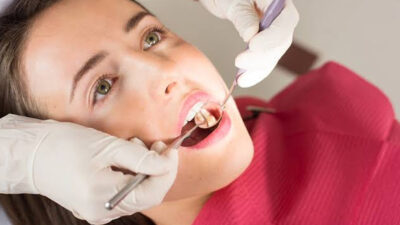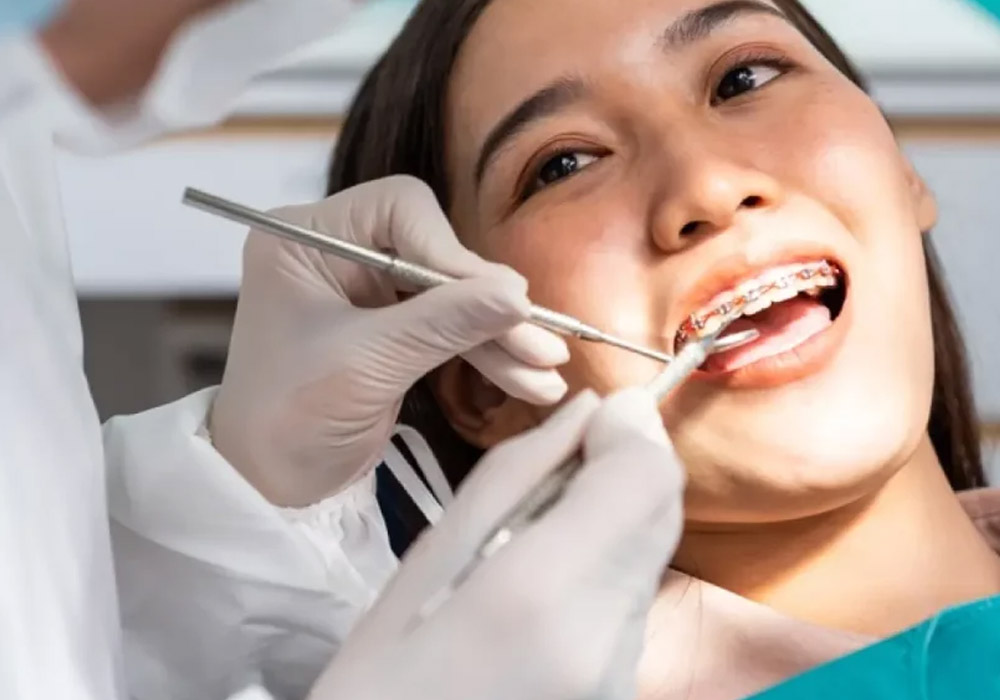
Braces are an important step toward a healthier smile, but the decision to recommend them does not come from a quick look at the teeth. Every smile has unique needs, so orthodontists in Brookhaven complete a detailed evaluation before recommending treatment. This careful process helps create a plan that supports healthy alignment and long-lasting results.
The examination covers much more than crooked teeth. Bite patterns, jaw development, oral health, and diagnostic records all play a role in the final recommendation. The sections below explain the key factors orthodontists assess before recommending braces.
Tooth Alignment and Spacing Come First
One of the first things orthodontists evaluate is how the teeth are positioned. Patients interested in Brookhaven braces receive a thorough examination to identify crowding, gaps, rotated teeth, and the amount of space available within the dental arches. These details help determine how the teeth can move safely while creating a balanced smile.
Digital X-rays, photographs, and scans provide a complete picture of the teeth and jaws. They also reveal important details below the gumline, such as tooth roots and developing teeth that are not visible during a regular examination. This information helps create a treatment plan based on accurate findings.
Bite Problems Help Determine the Right Treatment
Straight teeth alone do not create a healthy smile. Orthodontists in Brookhaven also examine how the upper and lower teeth fit together because bite alignment affects comfort, chewing, and long-term stability. Even small bite differences can influence the treatment approach. The evaluation may identify concerns such as overbites, underbites, crossbites, open bites, or deep bites. Understanding these conditions helps orthodontists recommend the most suitable treatment for each patient instead of using the same solution for everyone.
Jaw Development Influences the Treatment Plan in Brookhaven
Jaw growth is another important factor before braces are recommended. Younger patients may still have developing jaws, while adults have fully developed bone structures. This difference helps orthodontists decide the right timing and approach for treatment. The relationship between the upper and lower jaws also receives close attention. A balanced jaw structure supports healthy tooth alignment and contributes to better function after treatment.
Diagnostic Images Reveal Hidden Details
Diagnostic images help orthodontists identify conditions that cannot be detected by looking at the teeth alone. They show the position of tooth roots, the growth of permanent teeth, and the relationship between the jaws. These details help confirm the diagnosis and support better treatment planning. Accurate imaging also helps orthodontists monitor progress from the beginning until treatment is complete.
Oral Health Must Support Tooth Movement
Healthy teeth and gums provide a strong foundation for orthodontic care. Before recommending braces, orthodontists examine the gums, tooth enamel, and supporting bone to confirm they can safely support tooth movement. This step helps prepare the mouth for successful treatment. Patients considering Brookhaven braces also benefit from this careful review because healthy oral tissues provide a stable foundation before treatment begins. If additional dental care is needed, it can be addressed before orthodontic treatment moves forward.
Individual Needs Also Impact the Final Recommendation
Every smile is different, so treatment recommendations are always personalized. Orthodontists combine information from the examination, bite analysis, jaw development, diagnostic records, and oral health before creating a treatment plan. Personal goals and individual needs also help guide the final recommendation. A customized approach helps patients understand why braces are recommended and what the treatment is designed to accomplish. Careful planning at the beginning supports a smoother treatment experience and more predictable results.
Braces begin with a complete evaluation instead of a simple visual check. Orthodontists carefully assess tooth alignment, bite relationships, jaw development, oral health, and diagnostic records before recommending the most appropriate treatment. Patients in Brookhaven benefit from personalized assessments that support informed decisions and healthy, lasting smile improvements. A careful evaluation creates the foundation for successful orthodontic care.