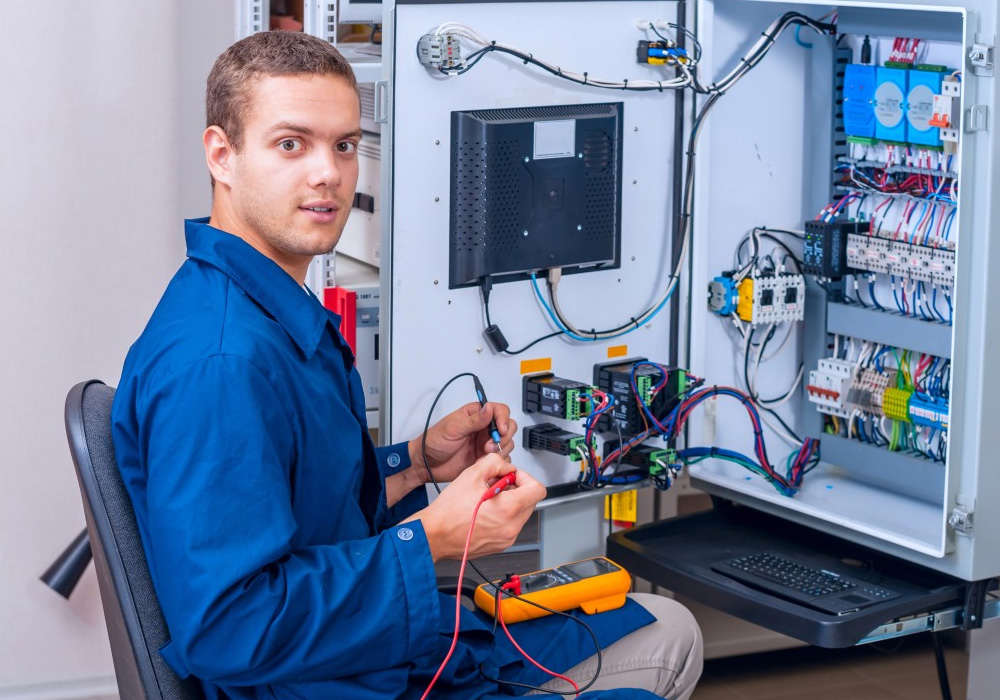
In the dynamic world of electrical work, practical training is indispensable for those who aspire to excel as electricians. Future professionals benefit most when education moves beyond theory, enabling the development of real-world skills. Participating in Apprenticeship Programs for Electricians is one of the most effective ways to gain the depth of experience required for long-term success. As technologies and standards rapidly evolve, hands-on learning best bridges the knowledge gap for students and apprentices.
An electrician’s expertise is built in environments that mimic job-site conditions. By practicing with authentic materials and equipment, trainees become adept at assessing and resolving real challenges. These experiences are not only vital for technical competency but also for building confidence in handling the demands of an ever-changing industry. The opportunity to work within a practical framework fosters adaptability, an essential skill for a skilled, modern workforce.
Importance of Hands-On Training
Real-world experience cannot be replaced by textbooks alone. For electricians, the ability to install, diagnose, and repair electrical systems safely comes from direct involvement with live equipment and systems. Hands-on training ensures that apprentices understand how theoretical principles apply to complicated installations and everyday troubleshooting. These experiences significantly increase job readiness, lower accident risk, and provide an authentic understanding of workplace expectations. For an in-depth look at the skills sought after in the trades, see this overview from CNBC.
Through the consistent application of learned skills in controlled settings, trainees not only gain dexterity and technical know-how but also cultivate an appreciation for safety standards, effective communication, and resourcefulness, qualities essential to long-term growth in the electrical profession. Furthermore, seasoned mentors frequently guide apprentices through actual tasks, offering immediate feedback and sharing valuable insights gleaned from years on the job. This mentoring dynamic deepens understanding and strengthens workplace culture, as knowledge is passed down directly from one generation of electricians to the next.
Innovative Training Programs
Progressive educational institutions are reimagining how electricians learn. One compelling example can be found in Ohio, where the Newark Electrical Joint Apprenticeship and Training Committee (JATC) has revitalized a former retail store into a cutting-edge training center. In this modern facility, classroom instruction is integrated with adjacent laboratories, offering students immersive experiences that replicate the complexities of job sites. These innovative programs equip future electricians with the immediate proficiency today’s employers require and help them stay prepared for tomorrow’s technologies.
By incorporating hands-on labs, mock job sites, and simulation-based training, these educational centers ensure their students leave school with technical agility and troubleshooting prowess. The ripple effect of this progressive methodology is evident nationwide, as similar facilities adopt experiential learning to elevate the trade.
Technology is increasingly integral to shaping these programs. Augmented and virtual reality simulations, along with advanced diagnostic tools, now allow students to practice scenarios that might be too hazardous or rare to replicate in traditional lab settings. This exposure to state-of-the-art systems is crucial as the industry transitions toward automation and integrated smart technology. Students not only master routine procedures but also gain early familiarity with emerging systems, making them more valuable and adaptable employees upon entering the workforce.
Industry Investments in Workforce Development
Recognizing looming shortages and the impact of skilled labor on economic growth, private companies are investing heavily in workforce training. Lowe’s is leading by example with its commitment of $250 million over ten years to train 250,000 workers in trades such as electrical, plumbing, and carpentry. Their sizeable investment is both timely and necessary, as skilled trades experience surging demand across all sectors.
The commitment from industry giants indicates a growing acknowledgment that hands-on training is not a luxury, but a critical component of workforce readiness. Their partnerships with technical schools and local organizations open new pathways for aspiring electricians, reducing barriers to entry and upskilling workers at all stages of their careers. For more analysis on workforce development trends and their long-term impact, visit Forbes.
Beyond financial support, these investments often offer opportunities for networking and mentorship, connecting trainees with established professionals across the industry. Internship and co-op programs foster early-career connections, broaden the talent pipeline, and help students transition seamlessly from training environments to full-time roles. These relationships set the stage for ongoing professional development and spark the innovation necessary to address the modern challenges facing the electrical trade.
Addressing the Skills Gap
The widening skills gap in the electrical industry is challenging employers and educators alike. Predictions indicate the need for hundreds of thousands of new electricians in the coming decade. To address this, Siemens has announced a goal to train 200,000 electricians and manufacturing professionals by 2030. Their comprehensive approach involves partnerships with community colleges, trade groups, and industry organizations. The focus is on offering recognized certifications alongside robust, hands-on training that keeps pace with advancements in automation, sustainability, and smart technology.
This collaborative approach helps meet immediate needs while planning for evolving challenges. It also strengthens the connection between education and employment, providing a direct line from the classroom to rewarding and stable careers in a critical field.
Addressing the skills gap also requires outreach and recruitment efforts that target underrepresented groups, including women, minorities, and veterans. Organizations are increasingly committed to diversifying the profession, launching initiatives designed to spark interest in electrical work at an early age through school visits, career fairs, and targeted scholarship programs. These efforts help ensure that the pipeline of new electricians reflects the communities they serve and brings fresh perspectives to a high-demand industry.
Future Outlook
As innovations from renewable energy to smart homes reshape demand for electrical work, the need for skilled, adaptable electricians is increasing. Educational providers and industry leaders continue to prioritize hands-on experience to prepare a workforce that is not only technically proficient but also ready to address emerging technologies and sustainability goals. These collaborative investments in practical training are setting a new standard for excellence and safety in the electrical trades.
With a firm foundation built on hands-on experience and robust industry support, the next generation of electricians will be well-prepared for the evolving landscape of electrical work and infrastructure development.
Looking ahead, continued advancements in smart grids, green energy systems, and connected infrastructure will present exciting opportunities and fresh challenges for electricians. Lifelong learning, supported by accessible, ongoing training and upskilling, is now more essential than ever. Professional organizations are developing flexible, modular curricula and digital learning tools so that both new and experienced workers can keep pace with change. In this dynamic environment, electricians who embrace technology and remain open to continuous education will be at the forefront of innovation, building safe, efficient, and resilient systems for communities worldwide.