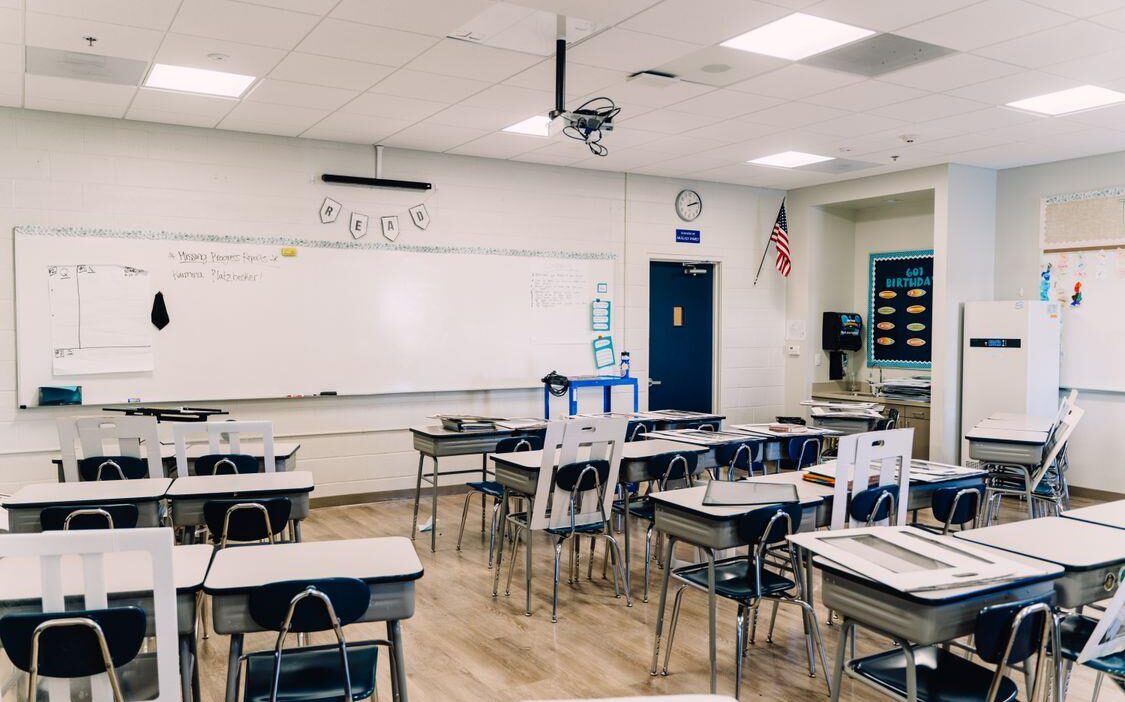
Ever walked into a classroom and just felt bored?
It’s no coincidence. Classroom design greatly affects student learning, attention and engagement.
The chairs, the layout, the lighting — every single detail sends a message about how students should learn. And when those details work together, the whole room starts pulling kids in.
Here’s the thing:
Row upon row of desks lined up like soldiers playing soldier are no longer a part of the modern classroom. Educators have discovered that the learning environment can:
- Boost participation
- Improve focus
- Make lessons feel more fun
Below is a full breakdown of how classroom design shapes active learning.
What’s coming up:
- Why Classroom Design Matters
- How Seating Shapes Student Participation
- The Room Layout Is Just As Important
- Lighting, Colour and Sensory Design
- Flexible Spaces That Support Active Learning
- Simple Classroom Design Upgrades That Work
Why Classroom Design Matters
Classroom design isn’t just about looking pretty.
It’s creating an environment where children WANT to learn. If children feel the environment is suited around their thinking and movement they will WANT to participate more.
According to a new survey, 78% of teachers think that flexible classrooms have a positive effect on student achievement. Wow. That’s a lot of teachers who think the design of a space matters.
Why does this matter?
Student engagement levels are plummeting in today’s classrooms — and schools are seeking authentic solutions, not band-aids. Classroom design is one such solution.
How Seating Shapes Student Participation
Seating is the first thing kids notice when they walk into a room.
If chairs are uncomfortable/unmovable students won’t participate. Children squirm. They get distracted. They cease raising their hand.
This is why more classrooms are making the move to ergonomic swivel chairs. Swivel chairs allow students to spin, scoot, and reposition themselves without getting up from their seat. And that little movement goes a long way.
Here’s why swivel classroom chairs work so well:
- They let kids move without disrupting the class
- They make group discussions easier because students can face each other
- They cut down on the fidgeting that comes from stiff seating
- They support kids with different learning needs
Swivel classroom chairs paired with safe school chairs that meet proper safety standards create a classroom environment that encourages participation and promotes student wellbeing. Look for chairs that are comfortable, durable and easy to maneuver. After all, comfort equals concentration.
The bottom line: Great seating = greater student participation.
The Room Layout Is Just As Important
Think about the last classroom you were in.
Rows of desks all facing a whiteboard? Or maybe clusters of tables, nooks, and crannies?
The classroom arrangement communicates how students should act. Rows command, “sit down, be quiet, listen.” Clusters and flexible seating ask students to “talk, collaborate, share ideas.”
Some layouts that boost active participation:
- U-shape: Great for class discussions where everyone can see each other
- Small clusters: Perfect for group work and collaboration
- Semicircle: Helps focus attention on demos or presentations
- Mixed zones: A blend of quiet, active, and collaborative areas
Research has indicated that classrooms that use flexible seating encourage students to take greater ownership of their learning. They choose their own seats. They choose their learning partners. They become more engaged in the lesson. One industry survey found that 74% of teachers noticed an increase in student engagement when using personalized learning stations.
Pretty cool, right?
Lighting, Colour and Sensory Design
This is one of the most overlooked parts of classroom design.
Lighting plays a massive role in student mood and concentration. Insecure fluorescents tend to give people headaches and tire you out quickly. Daylight warms up students and keeps them alert all day long.
Here’s what good lighting design looks like:
- Plenty of natural light through big windows
- Adjustable lighting for different tasks
- Warm tones for reading corners
- Bright, even lighting for detailed work
Colour is important as well. Bright colours help to energise a space and softer shades are great for creating tranquil learning areas. Most classrooms are a combination of the two to go with different subjects and vibes.
Noise reduction helps too. Echoing rooms are difficult to concentrate in and difficult to participate in. Carpets, drapes and soft materials can decrease reverberations and allow children to focus.
Flexible Spaces That Support Active Learning
Rigid classrooms belong in the past.
Leading edge learning environments today can be transformed into multiple configurations in minutes. Wheeled tables, rolling partitions, stack chairs allow you to quickly change from one setting to another:
- Whole-class teaching
- Small group work
- Independent study
- Hands-on activities
Allowing students to transform the space to accommodate the lesson promotes student ownership in learning. Student ownership is one of the primary motivators of active engagement.
Plus, it doesn’t have to break the bank. Simple adjustments — like a few movable tables or a cozy reading nook — can transform how kids behave in a space.
Cool right?
Simple Classroom Design Upgrades That Work
You don’t need to gut the whole school to see results.
Here are some easy upgrades that make a big difference:
- Swap fixed desks for movable ones
- Add swivel classroom chairs for comfort and flexibility
- Create a designated quiet corner
- Bring in more natural light where you can
- Use rugs or soft flooring in reading areas
- Add a standing desk option for kids who focus better on their feet
The best news is that you can make most of these improvements over time. Start with one or two and build on those that fit.
Every small change adds up over time.
Bringing It All Together
Classroom design plays a huge role in how students participate, focus, and learn.
Everything from ergonomic swivel chairs that allow movement to furniture placement that encourages conversation impacts engagement. And student engagement levels are on the decline in schools everywhere, making classroom design more critical than ever.
Here’s a quick recap:
- Seating is the foundation of student comfort and focus
- Layout tells kids how to behave and interact
- Lighting, colour, and acoustics all shape mood and energy
- Flexible spaces support active, hands-on learning
- Small upgrades can lead to big changes
Establish these fundamentals and you’ll encourage increased participation, longer attention spans and more enjoyable lessons. That is the objective of effective classroom design. A room where students want to attend and engage.