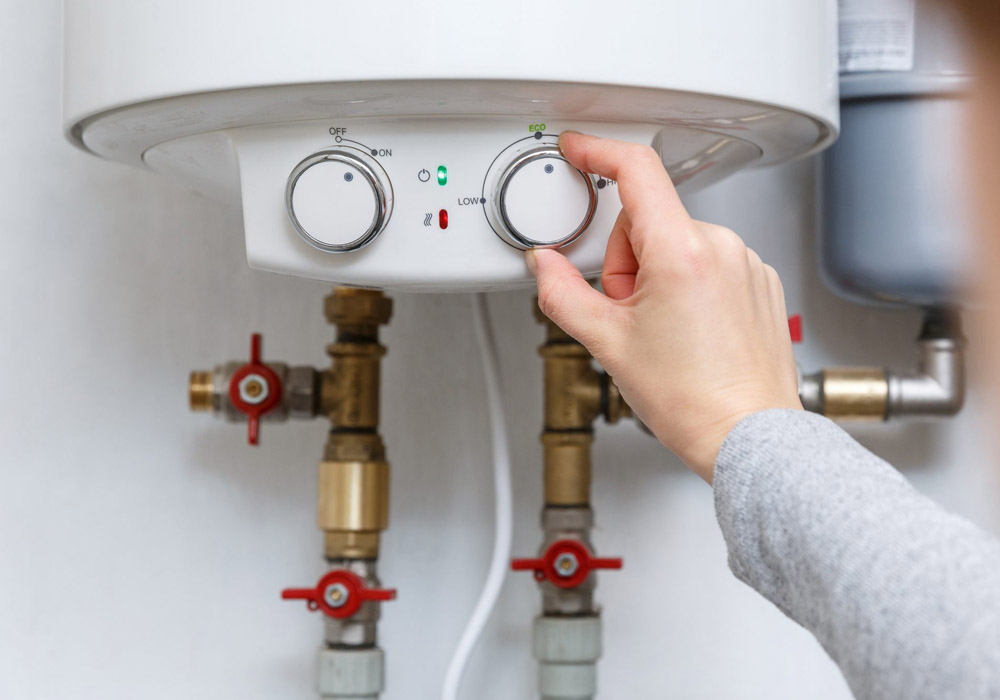
A dependable water heater supports bathing, cleaning, cooking, and other essential household routines. Sudden leaks, unusual odors, or major temperature changes may signal a serious problem inside the water heater. Delayed attention can damage nearby materials, interrupt daily activities, or affect safe operation, notes Uplift, a trusted Del Mar property management company.
Professional water heater services can identify the source before the fault becomes more severe. A trained technician can assess the water heater, explain the condition of key components, and recommend an appropriate solution. This article covers five urgent water heater issues, their likely causes, possible consequences, and the value of professional attention.
1. Water Leaking From the Water Heater Tank
Loose fittings, a damaged drain valve, internal corrosion, or a cracked tank can allow water to escape from the water heater. A leak may begin as minor dampness near the base before spreading across the floor. Continued moisture can damage cabinets, walls, insulation, or other materials surrounding the unit.
A Detailed Inspection Finds the Source
A technician can inspect the tank, valves, pipes, and nearby connections to locate the exact failure. This assessment helps determine whether a component repair or complete replacement offers the safest response. Early service can limit moisture damage and restore dependable operation.
Planning major home improvements involves accounting for essential plumbing updates alongside cosmetic upgrades. When updating older plumbing systems or replacing aging equipment, budgeting for professional water heater installation in El Paso helps ensure long-term efficiency and limits the risk of unexpected water damage during a project.
2. Dangerous Pressure Inside the Water Heater
A faulty thermostat, thermal expansion, or a failed pressure-relief valve can create unsafe pressure inside the water heater tank. Warning signs may include water flowing from the discharge pipe, loud banging sounds, or excessively hot water. Uncontrolled pressure can strain internal parts and increase the risk of major equipment failure.
Planning home upgrades requires accounting for major essential systems, including water heating and overall home comfort setups. When outlining expected costs for major property maintenance or modernizations, consulting experienced professionals like All American Heating, Air & Plumbing helps establish accurate projections for repair or replacement needs. Factoring these mechanical components into the early planning stages ensures a balanced overall project budget.
Safety Testing Corrects Pressure Problems
A qualified expert can test the water heater thermostat, expansion tank, and pressure-relief valve. These checks reveal which component no longer regulates heat or pressure correctly. Proper repairs return the heater to safer operating conditions.
Planning a home update requires accounting for essential household systems, including heating, cooling, and plumbing infrastructure. When evaluating project costs, consulting with established trade professionals like Regan & Son, HVAC, Plumbing & Electric helps clarify potential maintenance needs before starting major structural work. Taking time to inspect existing mechanical equipment ensures that unexpected repair expenses do not disrupt your overall project timeline or financial plan.
3. Gas Odors or Water Heater Ignition Failure
A gas odor near a fuel-powered water heater may indicate trouble with the supply connection, burner, or ignition system. Repeated ignition failure may also prevent the heater from producing consistent hot water. Fuel-related faults require immediate professional attention because they may create a serious household safety concern.
Fuel Components Receive Proper Assessment
A trained professional can examine the water heater’s gas connection, burner assembly, ignition controls, and venting path. Careful testing isolates the damaged component without unnecessary replacement. Final safety checks confirm that the heater operates correctly after repair.
4. Rust-Colored or Unpleasant-Smelling Hot Water
Corrosion, a worn anode rod, or sediment buildup inside the water heater can change the color, smell, or clarity of hot water. Visible particles may also point to internal tank wear. These conditions can reduce water quality, strain heating components, and shorten the system’s lifespan.
Diagnostic Checks Reveal Internal Wear
Professional water heater services can inspect the tank, anode rod, and sediment level. The findings clarify whether maintenance, component replacement, or a new system installation is appropriate. Prompt attention can prevent further deterioration and improve hot-water quality.
5. A Complete Loss of Hot Water
A failed heating element, thermostat, ignition component, sensor, or electrical connection can stop the water heater from producing heat. Some units may provide brief periods of warm water before turning completely cold. This disruption can affect bathing, sanitation, cleaning, and normal household schedules.
Accurate Testing Restores Reliable Output
An expert can test the water heater’s heating source, controls, sensors, and electrical or fuel connections. This process identifies the exact fault and avoids unnecessary repairs. Correct service restores consistent hot water and supports efficient operation.
Emergency water heater symptoms require timely professional attention before a manageable fault becomes a larger household problem. A complete assessment protects nearby property, supports safe water heater operation, and restores a dependable hot-water supply. Early action also reduces unnecessary disruption to essential daily routines.