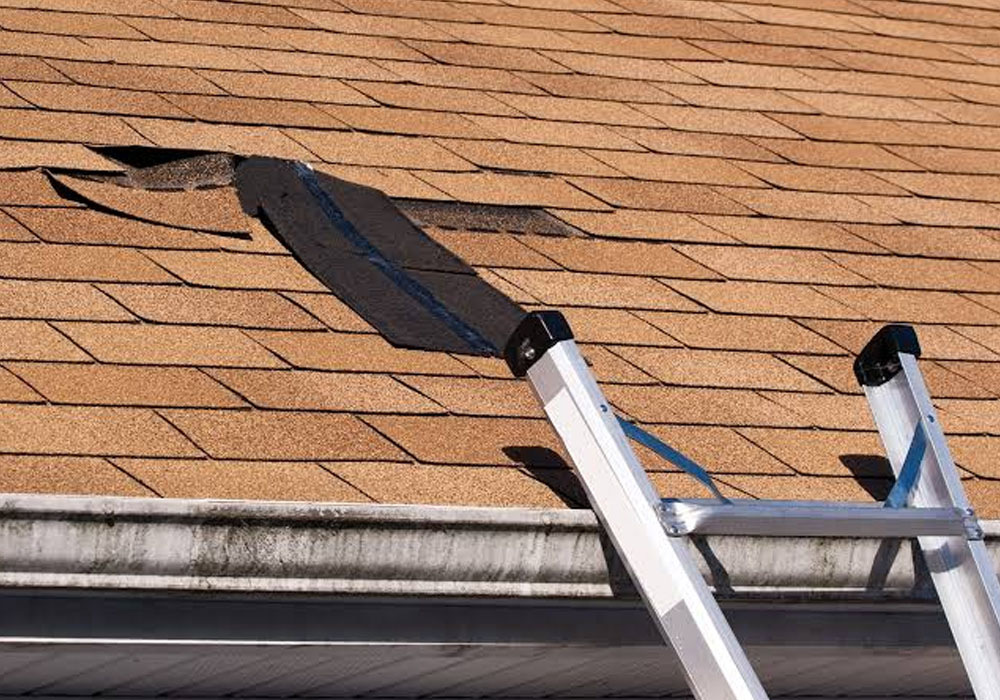
When we mention the term “roof,” many homeowners automatically think of the outermost layer of the roof and just assume everything under that layer is fine. But the roof is so much more than that! There are many vital components, some visible and some not so much, that work together to ensure that the entire structure and everything under the roof are being protected. A roof problem can quickly become very expensive, very fast, if left to deteriorate before repairs are made. Often a small problem can develop into a rather large one before noticeable damage appears on the exterior of the home. In many cases a roof leak isn’t noticed until it has already done significant amounts of damage before being discovered.
Ignoring Small Warning Signs
Just because a problem is small at first doesn’t mean it’s going to stay that way. Loose shingles, for example, can create problems for the roof and even the home’s foundation if left unrepaired. When you notice signs of trouble with your roof, make sure you address the issue before it becomes a huge problem. Water stains, missing shingles, shingle granules in the gutters, and even damp attic insulation are all signs of trouble that you need to address. Don’t wait until water is dripping from the ceiling to call in a professional for repairs. By then, the damage could have already spread to the roof deck and even the walls of your home.
Small problems on your roof can quickly become big issues—and sometimes they are more expensive to fix the later they are found. Keep an eye out for signs of roof damage from the ground and schedule an inspection by a professional roofer if you notice anything unusual after a big storm. Early repair of a small problem is always easier to fix than a big problem that has had time to cause a lot of damage. The same diligence applies when it comes to investment property in San Antonio.
Selecting a Roofer Based On Pricing
The lowest price quote is usually not the best price for a homeowner. Contractors often pad their estimates for larger jobs by using lower-cost products for roof installations. This can include lower cost underlayment, fewer layers of flashing, different components for the ventilation system, shorter warranties, and worse cleaning up after the job.
When comparing prices from roof installation services, be sure to compare the proposals in full. Each component of the roof will need to be removed, installed, repaired, protected, and cleaned. A comprehensive roof replacement proposal will detail each step of the process to assist homeowners in making the best decision for their budget.
Covering New Shingles Over Existing Damage
Installing new material over an old roof can sometimes appear to save time and money. However, it may conceal rotten decking, trapped moisture, or structural weaknesses.
Similarly, a contractor would not want to put a new roof on top of old damaged roofing without first removing the old material in order to inspect the decking and other roofing support for signs of damage. This allows for any necessary repair prior to the installation of the new roofing.
Maintaining structural integrity throughout a property requires addressing both interior finishes and exterior overhead protection to safeguard your overall investment. While interior updates like modern flooring refresh living spaces, addressing structural roofing needs through specialists like Three Tree Roofing ensures the entire home remains shielded from weather elements and moisture intrusion over time.
Overlooking Attic Ventilation
A roof is made of more than just shingles on the exterior of your home. A roof also has ventilation on the attic side of the roof. Proper balanced attic ventilation is crucial to prevent a variety of problems, including mold, condensation, premature deterioration of your shingles, and even ice dams in colder climates.
Your new roof has intake and exhaust vents to balance heat in your attic. Adequate ventilation is important to the life of your new roof to help prevent mold and deterioration. Make sure your new roof contractor properly sized the vents and that your attic insulation has not been disturbed or is not blocking the flow of air into the attic.
Neglecting Flashing and Drainage
There is more to roofing than the surface of the roof. The flashing is the material used to cover the gaps between the chimney and roof, skylights and roof, vents and roof, and the intersection of two roof faces. Gutters and downspouts collect the rainwater from the roof and direct it away from the roof and the foundation of the home.
Reusing damaged flashing and clogged-up gutters and downspouts with old roofing material is just asking for problems with a new roof. These components of a roof need to be inspected and/or repaired when you have any repairs or replacements done to your roof.
Roofing Materials Aren’t Created Equal
Asphalt shingles, metal roof panels, cedar and other shake roof materials, and other types of roofing materials have very different costs, needs for regular maintenance, lifespans, and manners in which the roofing materials and related items are to be installed on a home.
Considering aspects like climate, roof type, home style, and life style of the future homeowner is also important when choosing roofing material. Although the exterior look of the roof is an important selection criterion, a homeowner must also take into account possible future costs of maintenance when selecting a roof with a short life span and frequent maintenance needs.
Don’t Neglect The Final Inspection and Roofing Maintenance Plan
At Edge View Roofing we ensure that all of our customers are 100% satisfied with the work that has been completed on their home. We complete a final walk-through of the property to ensure that all of the work has been completed to the highest of standards; we review all of the warranty information and go over the maintenance information with the homeowner as well as any information on the vents, flashing, gutters, and the surrounding landscape.
Protecting Your Investment
Just knowing what to avoid in terms of planning your roofing job and paying attention to certain things, as well as asking the proper questions of your roofer before the work begins, will protect more than the exterior of your home. In the long run, it will protect the energy efficiency of your home, it will protect the comfort level of your home, it will protect the structure of your home, and in the end it will protect your home’s value should you decide to sell in the future.
Making smart decisions before the work and during the installation will save you from having to pay to fix errors in the future.