Key Takeaways
- Air ducts are one part of a larger indoor air and HVAC system.
- Visible debris, moisture, odors, and weak airflow are reasons to investigate.
- Moisture control, ventilation, and filter care often matter more than routine cleaning.
- Duct cleaning can be useful in specific situations, but it is not needed in every home.
- An inspection should identify the cause before cleaning or chemical treatment is considered.
Indoor comfort depends on more than the thermostat setting. Supply and return ducts move heated or cooled air through the home, while filters, coils, vents, drain pans, and the blower all influence how cleanly and evenly that air circulates. Professional AC duct cleaning can be appropriate when a system has a clear contamination issue, but it should be part of a practical maintenance plan rather than an automatic service.
A small amount of dust inside the ductwork does not necessarily signal a health hazard or account for every allergy symptom, notes Buckeye Property Management. Homes also collect particles and odors from cooking, pets, cleaning products, outdoor air, smoke, building materials, and everyday activity. The best approach is to look for specific evidence, identify the source, and choose a solution that fits the actual problem.
Why Air Ducts Matter To Indoor Comfort
Ductwork distributes conditioned air from the HVAC equipment to living spaces and returns air to the system for filtering and conditioning. When a return vent is blocked by furniture, a filter is clogged, or a duct connection is loose, one room may feel stuffy while another becomes too warm or too cold. These issues can affect comfort and system performance without meaning the entire duct system needs cleaning.
Signs That Ductwork May Need Attention
Watch for dust or debris blowing from registers, persistent musty or smoky odors when the system operates, sudden airflow changes, uneven room temperatures, or unusually heavy dust after remodeling. Recent flooding, plumbing leaks, roof leaks, and prolonged humidity also deserve prompt attention. Staining near a vent does not prove mold, so avoid assumptions until the area and accessible HVAC components have been evaluated.
How Ducts Fit Into Indoor Air Quality
Indoor air quality is broader than duct cleanliness. The most effective strategy usually begins with removing or reducing pollution sources, then using suitable ventilation and filtration. The three basic strategies to improve indoor air quality help put duct concerns in context: control the source, bring in cleaner outdoor air when conditions allow, and use filters or air cleaners as supporting tools.
When moisture damage or mold-like growth is involved, the priority is to stop the water source and dry affected materials. Property owners may need help to mitigate mold when contamination reaches hidden HVAC components, insulated ductwork, wall cavities, or other areas that cannot be safely assessed during routine home care.
When updating exterior home elements like siding, maintaining indoor climate control and overall home efficiency also becomes a central concern for homeowners. Coordinating exterior updates alongside general home maintenance can help protect structural integrity and reduce energy loss. Learning more about routine system checks allows property owners to maintain balanced comfort throughout the changing seasons.
When upgrading exterior siding, homeowners often take the opportunity to evaluate overall home efficiency and ventilation needs. Proper airflow management and climate control play a significant role in long-term exterior and interior protection. Property owners looking to optimize heating and cooling performance can consult professionals specializing in hvac in Spring to ensure their indoor systems complement recent structural improvements.
The Role Of Moisture And Humidity
Moisture is often the underlying issue behind recurring odors and microbial growth. Common sources include blocked condensate drains, leaking pipes, wet insulation, roof leaks, poor bathroom ventilation, and water intrusion after a storm. Condensation around vents, water marks near equipment, earthy smells, and repeatedly damp filters should not be ignored. Cleaning alone will not prevent a return of the problem if the moisture source remains.
Keeping indoor humidity controlled, using kitchen and bathroom exhaust fans, and repairing leaks quickly can reduce the conditions that allow mold to grow. The moisture problem should be fixed along with any cleanup, especially after a flood or leak.
When Duct Cleaning May Make Sense
Duct cleaning may be reasonable when an inspection finds substantial visible growth in hard-surface ducts or HVAC components, excessive debris that is entering rooms, vermin activity, smoke or soot residue, water damage, or heavy construction dust. It may also be useful after restoration work when the HVAC system has been exposed to contaminated materials. Routine cleaning on a fixed timetable is not necessary for every household, particularly when there are no signs of contamination or airflow problems.
Homeowners investing in exterior upgrades like siding often focus on long-term home maintenance to protect their overall investment. While exterior updates shield the structure from weather elements, indoor maintenance is equally vital for preserving overall comfort and air quality. Incorporating routine indoor upkeep such as professional air duct cleaning helps prevent dust and airborne debris from circulating throughout living spaces, supporting a cleaner and healthier indoor environment.
What A Proper Inspection Should Cover
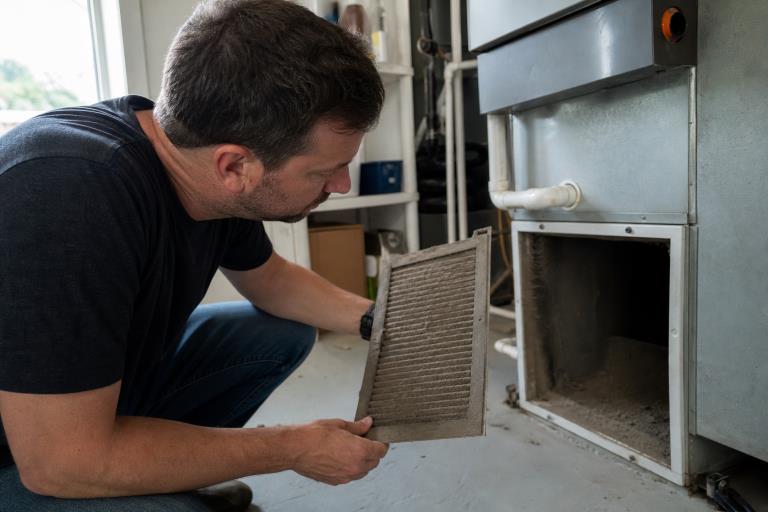
A useful inspection considers the complete system, not only the visible registers. It should review the system’s history, including leaks, remodeling, smoke exposure, and prior repairs. Accessible duct sections, filters, coils, blower areas, drain pans, grilles, and returns should be checked for damage, debris, moisture, and loose connections. Clear photos and written findings help homeowners understand what was found, what needs attention, and whether cleaning is actually justified.
Simple Home Care Steps
- Replace or clean HVAC filters according to the equipment manufacturer’s instructions.
- Keep supply and return vents clear of rugs, curtains, and furniture.
- Vacuum vent covers gently rather than pushing dust into the ducts.
- Keep the indoor unit area clean and dry, and address leaks promptly.
- Use exhaust fans during cooking, showering, and other moisture-producing activities.
- Schedule HVAC service for weak airflow, unusual sounds, odors, or poor temperature control.
When To Call A Professional
Exterior home upgrades often involve coordinating multiple maintenance priorities to keep the entire structure protected. When planning exterior renovations alongside indoor system care, consulting experienced professionals can clarify service scope and timelines. Homeowners reviewing local contractor ratings and reviews can check it out to better evaluate regional service options and choose qualified teams for their ongoing property improvements.
Common Questions
How Often Should Air Ducts Be Cleaned?
There is no single schedule for every property. Visible debris, moisture history, pets, smoking, remodeling, and inspection findings are more useful indicators than the system’s age alone.
Can Duct Cleaning Improve Indoor Air Quality?
It may help when there is confirmed debris, smoke residue, or contamination in the system. It cannot eliminate pollutants created by cooking, tobacco smoke, cleaning products, radon, or outdoor air.
Does Dust Near A Vent Prove The Duct Is Dirty?
No. Dust may come from the room, a loose grille, air leakage, or poor filtration. The surrounding area and system should be checked before concluding
Can Cleaning Fix Poor Airflow?
Sometimes, but clogged filters, closed dampers, damaged ducts, blower problems, and incorrect equipment sizing can also restrict airflow.
What Should Homeowners Ask Before Hiring Help?
Ask what specific issue was found, whether photos are available, which components will be cleaned, how surfaces will be protected, and whether the estimate includes addressing the underlying moisture or damage issue.
Final Thoughts
Air ducts warrant attention when clear evidence indicates moisture damage, heavy debris, smoke residue, or contamination. Still, healthy indoor air depends on several connected habits: source control, ventilation, filtration, moisture management, and routine HVAC care. Inspect first, correct the cause, and use the least invasive solution that resolves the actual issue.