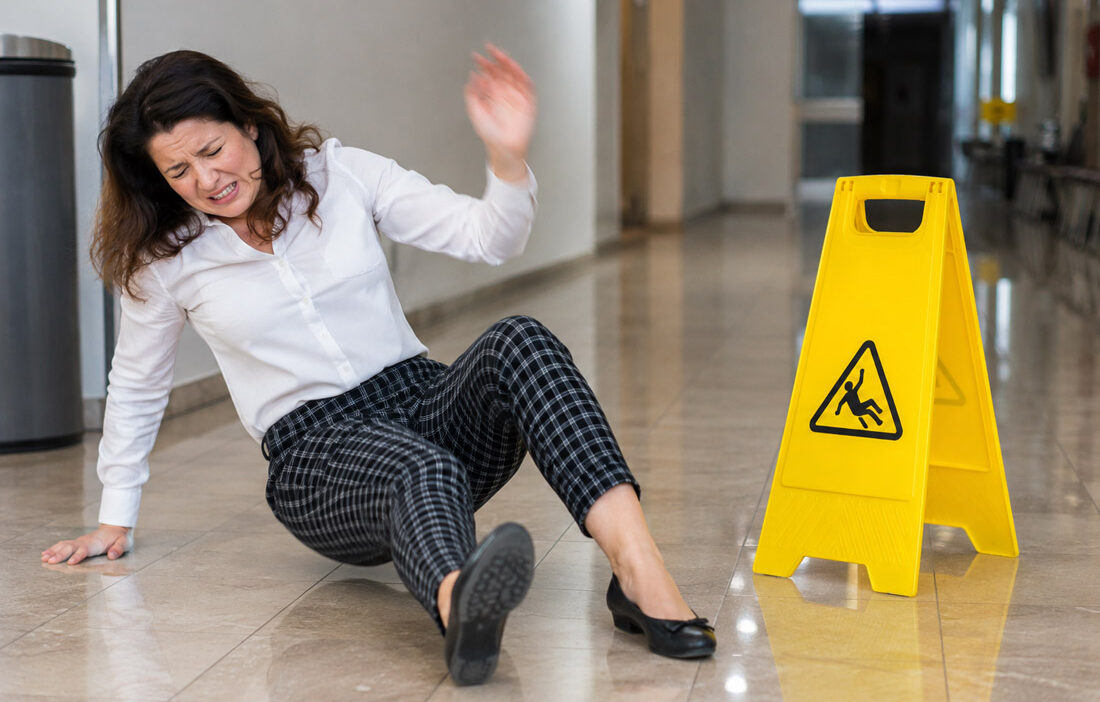
A slip-and-fall in a store, hotel, restaurant, parking garage, or facility can turn an ordinary outing into a serious legal and financial concern. Injuries may bring treatment, missed work, and uncertainty about who should pay for losses. Prompt action can preserve facts that may disappear.
Florida premises liability law focuses on the condition that caused the fall, the responsible party’s duty, and evidence showing what that party knew or should have known. A fall injury lawyer near Fort Lauderdale may need evidence connecting the condition to the injury and establishing liability. This article will describe the legal steps that should be followed after a slip-and-fall in public places.
1. Report the Fall and Preserve Evidence
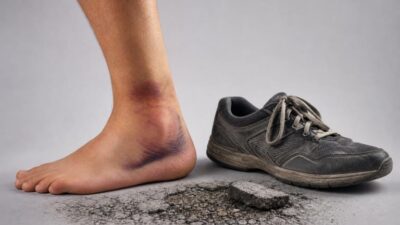
Tell a manager, security officer, or responsible employee about the incident promptly. Request an incident report and collect witness information. Photographs should show the hazard, warning signs, footwear, and injuries before conditions change.
Useful evidence includes:
- Photos or video of the hazard and location.
- Witness names and contact information.
- The incident report and medical records.
- Shoes, clothing, or damaged personal items.
These materials can help establish how the accident occurred.
2. Get Medical Care and Record the Consequences
Seek medical evaluation in Fort Lauderdale after head pain, severe swelling, restricted movement, dizziness, or persistent discomfort. Some injuries become apparent later, making follow-up care important. Keep bills, treatment notes, mileage records, and missed-work documentation together. The CDC reports that more than 14 million adults age 65 and older fall each year, while about 37% report an injury requiring medical treatment or activity restriction for at least one day. The figure concerns older adults but shows why falls can create substantial medical consequences.
3. Determine If the Property Had Notice
Florida Statutes §768.0755 addresses actual or constructive knowledge when a person slips on a transitory foreign substance in a business establishment. Constructive knowledge may involve evidence that the condition existed long enough for discovery or occurred with enough regularity to be foreseeable. Inspection records, surveillance footage, maintenance logs, and witness observations may help establish notice. A spill, broken pavement, defective stair, poor lighting, or misplaced merchandise can involve different facts.
4. Protect Financial and Insurance Evidence
Insurance communications deserve careful attention after an accident. Avoid guessing about fault, minimizing symptoms, or making statements that could later be interpreted as an admission. Preserve medical bills, wage records, correspondence, photographs, and documents tied to the losses. Depending on the circumstances, compensation may address medical treatment, future care, lost earnings, pain and suffering, or reduced ability to enjoy normal activities. Recovery depends on the evidence and law.
5. Check Deadlines and Special Rules
Florida generally requires negligence actions to be filed within two years under Florida Statutes §95.11, subject to exceptions and different rules for certain claims or defendants. Government-owned property can involve additional notice and procedural requirements, making early legal review important. Delays may also make surveillance footage, witness statements, and inspection records harder to obtain. A timely case assessment can clarify responsibility, preserve proof, and identify losses.
How a Slip-and-Fall Lawyer Can Strengthen a Claim in Fort Lauderdale
A fall injury lawyer near Fort Lauderdale can investigate the accident, review property records, identify potentially responsible parties, and gather evidence that may establish negligence. Legal counsel can also handle communications with insurers, assess documented losses, and explain how Florida’s premises liability and comparative fault rules may affect a potential claim. When the evidence supports legal action, an attorney can prepare the necessary paperwork, negotiate with opposing parties, and represent the injured person through the appropriate legal process.
A public-place fall in Fort Lauderdale can raise important questions about notice, responsibility, medical losses, and deadlines. Careful evidence preservation and prompt medical attention create a stronger factual foundation for evaluating a potential claim. Timely legal guidance can help protect available options while relevant evidence remains accessible.