Key Takeaways
- Persistent back pain following a vertebral compression fracture deserves a thorough clinical evaluation.
- Florida Pain Physicians may consider kyphoplasty for selected patients whose symptoms and imaging findings support the procedure.
- Not every compression fracture requires kyphoplasty. Injections, rehabilitation, medication management, or other approaches may be appropriate.
- A consultation can help determine the pain source, review imaging, and discuss medically appropriate treatment options.
Severe back pain after a fall, injury, or osteoporosis-related fracture can make standing, walking, sleeping, and routine activities difficult, for people seeking kyphoplasty Jacksonville, FL, care, Florida Pain Physicians offers evaluation and treatment planning for spine-related pain, including pain associated with vertebral compression fractures. Kyphoplasty is not automatically the right answer for every patient with a fractured vertebra. The priority is identifying the source, severity, and likely cause of pain. A careful assessment helps distinguish pain from a recent compression fracture from pain caused by arthritis, disc problems, nerve irritation, muscle strain, or another spinal condition.
Why Does a Vertebral Compression Fracture Cause Persistent Back Pain?
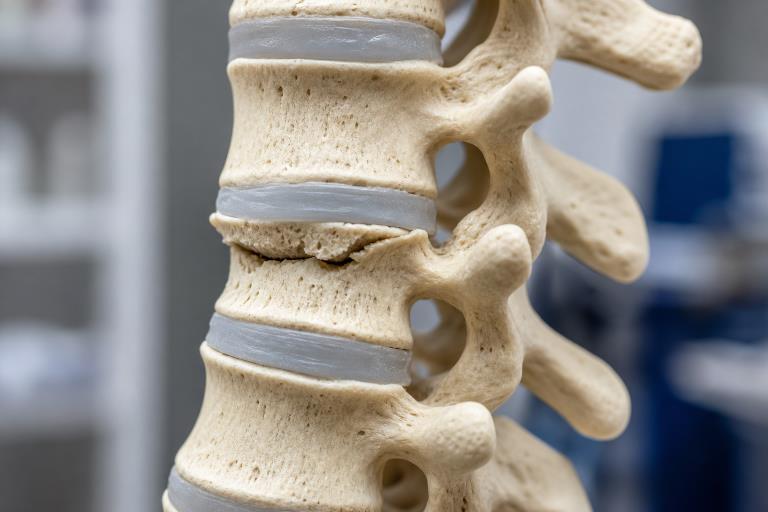
A vertebral compression fracture occurs when one of the bones in the spine, called a vertebra, weakens or collapses. Osteoporosis is a common cause, although fractures can also occur after trauma, cancer-related bone changes, or other medical conditions that affect bone strength. In some cases, a fracture can happen after a relatively minor movement, such as bending, lifting, or coughing. When a vertebra compresses, it can create sharp or aching pain in a specific area of the back. The change in vertebral shape may also affect posture and spinal alignment. Common signs include sudden or worsening back pain, pain that worsens with standing or walking, reduced mobility, difficulty bending or twisting, height loss, and a more rounded upper back posture.
How Florida Pain Physicians Evaluate Kyphoplasty Candidates
An evaluation should be personalized because the same imaging finding can affect people differently. Florida Pain Physicians performs a thorough examination and reviews clinical details to help determine whether a compression fracture is the primary pain generator.
- Medical history review:The provider discusses symptoms, injury history, osteoporosis, medications, previous procedures, and medical conditions.
- Physical examination:The examination may identify areas of tenderness, mobility limits, posture changes, or symptoms that point to another source of pain.
- Imaging review:X-rays, MRI scans, CT scans, or other available studies may help show the fracture location and whether it appears recent or active.
- Symptom matching:The provider compares the pain pattern with the fracture’s location, age, and appearance on imaging.
- Treatment discussion:The team can discuss conservative care, rehabilitation, injections, kyphoplasty, or other treatments based on the individual situation.
What Is Kyphoplasty?
Kyphoplasty is a minimally invasive vertebral augmentation procedure that may be used for selected painful vertebral compression fractures. During the procedure, a physician creates a small access path into the affected vertebra. A balloon may be placed and gently inflated to create space within the compressed bone. Bone cement is then placed to stabilize the vertebra. The purpose is to stabilize the fracture and potentially reduce fracture-related pain. Results vary based on factors such as the fracture’s age, location, severity, the patient’s overall health, and whether the fracture is truly responsible for the symptoms. Kyphoplasty should not be presented as a guarantee of complete pain relief or full restoration of lost height.
What Does Research Say About Kyphoplasty?
Research can help inform treatment conversations, but it does not replace an individual examination. A 2025 meta-analysis of kyphoplasty and vertebroplasty reviewed 11 randomized controlled trials involving 1,190 patients. The review found no meaningful difference in postoperative pain or cement leakage between the procedures. At the same time, kyphoplasty was associated with improvement in local kyphotic angle and, in one analysis, a lower risk of adjacent vertebral fractures. A separate systematic review comparing balloon kyphoplasty with conservative treatment reported greater pain reduction with balloon kyphoplasty at several follow-up time points. It did not find a significant difference in the risk of new vertebral compression fractures between the groups studied. These findings apply to the patient populations included in the research, not necessarily to every person with a spinal fracture.
Who May Be a Candidate for Kyphoplasty?
A patient may need further kyphoplasty evaluation when imaging confirms a vertebral compression fracture, and pain remains moderate to severe despite appropriate conservative care. Candidates often have pain that limits daily activities and corresponds to the fracture location identified during the examination and imaging review. Medical suitability also matters. Fracture pattern, bone quality, infection risk, bleeding risk, medication use, underlying cancer, neurological symptoms, and other health concerns can affect whether kyphoplasty is advisable. If kyphoplasty is not the best fit, Florida Pain Physicians can discuss other pain-management approaches.
Other Spine Treatments Available Through Florida Pain Physicians
Florida Pain Physicians offers several spine-focused treatments that may be considered when clinically appropriate:
- Epidural steroid injections:May be used to address inflammation associated with certain back or leg pain conditions.
- Facet injections:May help evaluate or manage pain associated with the spine’s facet joints.
- Nerve blocks:May provide temporary pain relief and help identify the source of symptoms.
- Radiofrequency ablation:May be considered to interrupt pain signals from targeted nerves in selected chronic pain cases.
- Spinal cord stimulation:May be evaluated for certain persistent pain conditions after other treatments have not provided sufficient relief.
- Intrathecal pump trials:May be considered when scheduled delivery of pain medication is appropriate.
Questions to Ask Before Kyphoplasty
- What is the most likely source of my pain?
- Does my imaging show a recent or active compression fracture?
- Which nonsurgical treatments should be considered first?
- What benefits, limitations, and risks are relevant to my condition?
- How long may recovery take, and what activity restrictions could apply?
- How could osteoporosis or another underlying condition affect my care?
- Which symptoms require urgent medical attention?
Requesting a Kyphoplasty Consultation in Jacksonville
When making a kyphoplasty consultation request, bring available imaging reports, medication information, records of prior treatment, and a short timeline of when symptoms began. This information can help the Florida Pain Physicians team evaluate the condition efficiently and discuss options that fit the patient’s medical needs and treatment goals. Urgent assessment is important for new weakness, numbness in the groin area, loss of bladder or bowel control, fever with severe back pain, or pain after significant trauma. For ongoing pain from a suspected or confirmed compression fracture, a personalized consultation can clarify whether kyphoplasty, conservative care, or another spine treatment may be appropriate.
Conclusion
Persistent back pain from a vertebral compression fracture can significantly affect mobility, independence, and daily comfort, but the right treatment depends on an accurate diagnosis and individualized evaluation. Kyphoplasty may provide meaningful relief for selected patients when the fracture is confirmed as the primary source of pain. Still, it is only one option within a broader approach to spine care. Reviewing imaging, understanding treatment goals, and discussing benefits, risks, and alternatives with a qualified provider can help patients make informed decisions. Whether the recommended path involves kyphoplasty, rehabilitation, medication management, injections, or another treatment strategy, the focus should remain on improving function and quality of life. A careful, patient-centered evaluation is the first step toward finding the most appropriate plan for managing fracture-related back pain.