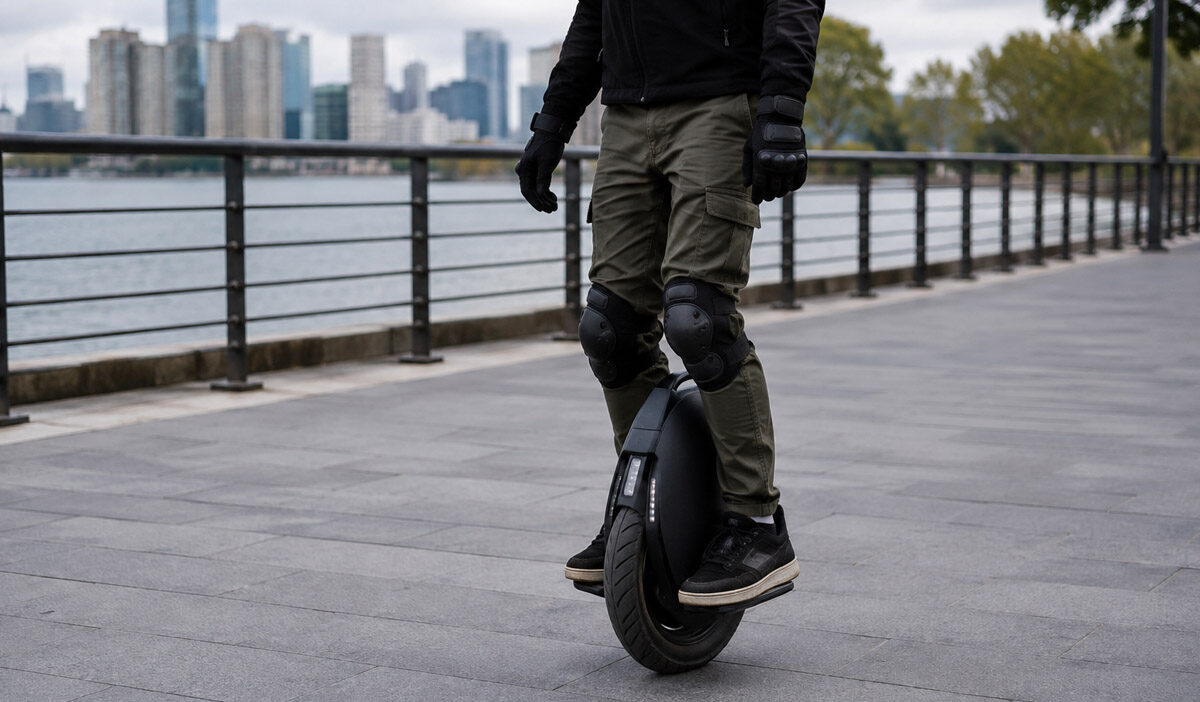
Nothing turns heads on a sidewalk quite like an electric unicycle gliding by. But behind the impressive visuals sits a genuinely fair question. Is this thing actually practical for daily use, or is it more of a novelty that looks cooler than it is useful?
Key Takeaways
- The learning curve is real, but manageable with a few practice sessions
- Portability is where EUCs genuinely outperform e-bikes and most scooters
- Canadian winters add a real limitation most riders don’t anticipate
- Top-end speed and range have improved dramatically in recent years
- They suit specific commutes better than others, it’s not a universal fit
Let’s Talk About the Learning Curve First
Unlike hopping straight onto an e-bike or scooter, electric unicycles demand genuine balance skill that takes real practice to develop. Most new riders need several sessions in a safe, open space before feeling confident on actual streets. This upfront investment is the single biggest barrier to entry, and it’s worth being honest with yourself about before buying one.
Where EUCs Genuinely Win: Portability
Once you’ve got the hang of it, portability becomes the real selling point. You can dismount and carry the unit onto a bus, train, or straight into your office, far more compactly than folding an e-bike or even most scooters. For multi-modal commutes involving transit connections, this is a legitimate practical advantage nothing else quite matches.
Canadian Winters Are the Honest Limitation
Here’s the part enthusiasts sometimes gloss over. Snow, ice, and slush create real balance and traction challenges that are far more forgiving on a two-wheeled e-bike or scooter. Most experienced EUC commuters in Canadian cities either avoid genuinely icy conditions entirely or switch to a backup commute method for several months a year.
Speed and Range Have Come a Long Way
Higher-end electric unicycles can now match or exceed comparable e-bikes and scooters on both speed and range. That said, balance and control demands increase noticeably at higher speeds, which means your practical commuting speed is often lower than the unit’s top-rated capability, especially early on.
Who This Actually Makes Sense For
EUCs tend to suit commuters with shorter, relatively flat routes, some patience for a learning curve, and a strong preference for maximum portability, particularly transit-connected commutes. They’re a tougher first choice for anyone wanting to ride confidently from day one, or commuting through a full Canadian winter without a backup plan.
Getting the Right Guidance Before You Buy
Given the learning curve and range of models out there, first-time buyers benefit a lot from in-person guidance rather than ordering based on specs alone. Retailers offering the best EUCs in Canada can help you compare all three categories honestly, including which one actually fits your specific commute rather than pushing whichever one they happen to specialize in. Shops like Epic Cycles that carry the full range tend to give the most balanced recommendation.
Worth the Learning Curve? For the Right Rider, Yes
For the right commuter, an electric unicycle genuinely earns its place as a daily vehicle. For others, the learning curve and winter limitations make an e-bike or scooter the more sensible starting point. Know which type of rider you actually are before committing, and you’ll avoid an expensive lesson in the difference.