Selling a home in Valdez, Alaska, involves more than choosing a price and putting up a sign. Snow, access, heating systems, property condition, and a smaller local pool of buyers can all affect the process. Homeowners comparing a conventional listing with cash buyers for homes in Valdez, AK, should start by identifying their timeline, repair budget, and preferred level of involvement.
A well-planned sale makes it easier to present the property safely, answer buyer questions, and avoid surprises during inspections or closing, note Blue Bridge Management professionals. Whether the home is occupied, vacant, inherited, rented, or owned from outside Alaska, local preparation matters.
Why Valdez Has Its Own Home-Sale Rhythm
Valdez is not a large metropolitan housing market, so broad statewide pricing assumptions may not fit an individual property. Buyers may pay close attention to year-round access, parking, heating arrangements, maintenance history, storage, and whether the home is ready for local weather. The City of Valdez’s 2026 housing needs assessment reviews housing types, costs, existing homes, building trends, and market conditions, which underscores the value of looking at local information before setting expectations.
Owners who want a direct, as-is path can also evaluate Alaska Home Buyers alongside other options. Comparing each route on net proceeds, required repairs, timing, and the certainty of the buyer’s funding gives a clearer picture than focusing on the headline offer alone.
Choosing a Practical Time to Sell
The right selling season depends on the home’s condition and the owner’s needs. Longer daylight and easier exterior access can help with photos, repairs, and showings. Winter can still be workable, particularly when a home is kept warm, accessible, and clearly documented.
- Spring:Often provides better daylight and easier access to exterior features.
- Summer:Can make it simpler to show lots, decks, driveways, and surrounding views.
- Fall:Requires planning for changing weather and shorter days.
- Winter:May bring fewer casual visitors, but prepared buyers can still be serious prospects.
Preparing for Snow, Rain, and Cold
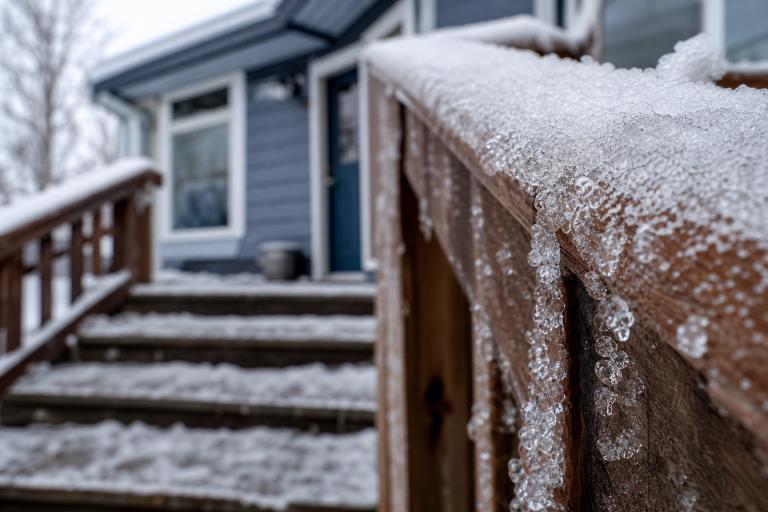
Weather affects more than curb appeal. It can influence safe entry, inspection access, photography, moving plans, and the ability to see exterior features. Winter home-buying guidance notes that snow can conceal roof, siding, septic, and other exterior concerns, so sellers should be ready with maintenance records and warm-weather photos when available.
- Clear walkways, steps, decks, and driveways before appointments.
- Keep the heat operating at a stable temperature, especially in vacant homes.
- Check for leaks, ice buildup, frozen plumbing, moisture, and damaged weather sealing.
- Confirm exterior and entry lighting works for darker appointments.
- Share practical details about plowing, fuel, access, and utility systems.
Which Repairs May Help and Which May Not
Begin with issues that affect safety, function, or a buyer’s ability to finance and insure the property. A functioning heating system, dry crawl space, sound roof, protected plumbing, and safe electrical service may matter more than decorative upgrades. Obtain estimates before committing to major work, then compare the likely benefit with the cost and time required.
Repairs Worth Reviewing First
- Heating equipment, fuel systems, and thermostats
- Roofing, drainage, gutters, and visible leak concerns
- Windows, doors, insulation, and weather sealing
- Plumbing, freeze protection, ventilation, and moisture issues
- Steps, decks, railings, driveways, and exterior safety concerns
Projects That May Need a Closer Look
Full kitchen renovations, luxury bathroom updates, large additions, and extensive landscaping can be worthwhile in some circumstances, but they do not automatically produce a matching increase in sale price. If a known roof, heat, or moisture issue remains unresolved, cosmetic work may not address a buyer’s main concern.
Setting a Price That Matches Local Conditions
Pricing should reflect recent comparable sales and active competition, while accounting for square footage, lot size, parking, heating type, condition, and deferred maintenance. Review how long similar homes were listed and whether they had features that materially differ from yours. Early feedback from qualified buyers can also reveal when the price or condition does not match local expectations.
Comparing Common Ways to Sell a Home
- Traditional listing:May offer broad exposure and access to financed buyers, but can involve preparation, showings, negotiations, and lender-related timelines.
- For-sale-by-owner:Gives the owner control, while requiring them to handle marketing, buyer screening, negotiation, and paperwork.
- Direct purchase:May suit an owner who prioritizes speed or prefers to sell in the current condition. Compare the offer with the expected market value and selling costs.
- Rental or hold strategy:May be an option for owners willing to manage maintenance, vacancy, insurance, and tenant responsibilities.
Gathering Property Records Before Listing
Organized records can reduce delays and help buyers understand what they are considering. Gather mortgage payoff information, tax and insurance records, repair invoices, heating and fuel details, permits, surveys or boundary records, water or septic information when applicable, HOA documents, and records related to liens, probate, divorce, or shared ownership.
Handling a Sale From Outside Valdez
Remote sellers should arrange regular property checks, snow removal, heat monitoring, secure key access, and mail forwarding before marketing begins. Digital signing can simplify paperwork, but sellers should independently verify every participant’s identity, confirm wire instructions by phone using a trusted number, and use a licensed title or settlement company for closing.
Planning for Inspections, Title Work, and Closing
After accepting an offer, review deadlines for disclosures, inspections, financing, title work, repairs, and possession. Weather, travel, missing documents, lender requirements, and ownership questions can affect timing. Before signing, review the settlement statement, confirm payoff figures, and document the transfer of keys, access codes, and agreed personal property.
A Simple Valdez Home-Sale Checklist
- Set a target sale date and preferred closing window.
- Review recent local sales and competing listings.
- Check the roof, heat, plumbing, drainage, and exterior access.
- Gather loan, tax, insurance, permit, and repair records.
- Choose a selling method that fits the property’s condition.
- Request written estimates of likely selling costs.
- Plan for snow removal and safe showings.
- Compare final net proceeds, not only the sale price.
Final Thoughts
A Valdez home sale works best when weather, repairs, timing, paperwork, and buyer expectations are considered together. A clear plan helps homeowners make practical decisions, protect the property during the sale process, and choose a path that fits their financial goals and timeline.