Key Takeaways
- An as-is sale can reduce repair work, but it does not eliminate the need for honest disclosures.
- The best route depends on the property’s condition, timeline, costs, and ownership circumstances.
- Documents, title concerns, tenant arrangements, and contract terms should be addressed early.
- Comparing more than one selling option can help a homeowner focus on net proceeds, not only the headline offer.
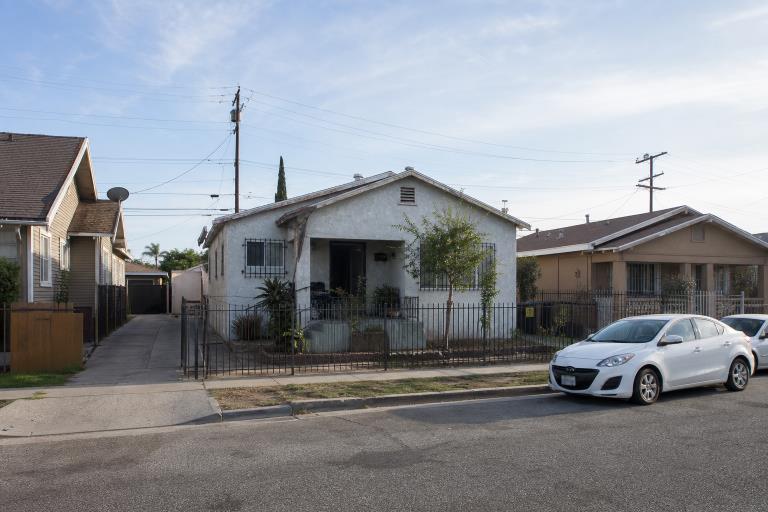
Selling a property in its present condition can be a practical choice for homeowners facing repairs, inherited property questions, relocation, cleanup, or financial pressure. Owners considering options such as we buy any house in Huntington Park, CA should still take time to understand the sale process, the paperwork involved, and the terms of any offer. Huntington Park is a close-knit, highly urban community where smaller lots, older homes, shared boundaries, parking limitations, and previous additions can all influence a buyer’s assessment of a property. A clear plan can make the process less stressful, whether the home needs only cosmetic attention or has more substantial deferred maintenance.
What “As-Is” Means in a Huntington Park Home Sale
An as-is sale generally means the buyer agrees to purchase the home in its current condition rather than requiring the seller to complete specified repairs before closing. It may be appropriate for a house with an aging roof, outdated plumbing, worn flooring, water damage, an older kitchen, or belongings left behind after a move. However, as-is does not mean “no questions asked.” Buyers may still inspect the property, seek a price reduction, request a credit, or decide not to proceed if their contract allows it. Sellers should be forthright about known conditions rather than assuming that the as-is language resolves every issue. Before spending money on major work, homeowners can review local Huntington Park housing resources. Depending on the situation, a homeowner may decide that a targeted repair is worthwhile, while another may prefer to sell without taking on a renovation project. A homeowner who receives a large roof estimate, for example, should compare the likely effect of that repair on the sale price with the cost, time, and risk of completing it. A higher list price is not automatically a better outcome if holding costs, contractor delays, commissions, and buyer negotiations consume the difference. For sellers who want to review one potential direct-sale path alongside other choices, https://www.eazyhousesale.com/ can be part of that comparison. Any proposal should be weighed against its closing date, contingencies, fees, repair expectations, and estimated proceeds.
Why Local Conditions Matter
In Huntington Park, access to the home can matter almost as much as the home itself. Narrow driveways, limited parking, closely spaced structures, alley access, and work near neighboring properties may affect inspections, repairs, moving, or buyer plans. If there are additions, converted spaces, or prior improvements, gather permits and records when available rather than making assumptions about their status. Pricing should be based on homes that are genuinely comparable in location, size, condition, and features, say Bigham & Associates specialists. A nearby remodeled property may not be a useful benchmark for a house needing major systems work. A local real estate professional can help review recent comparable sales, while a contractor can help estimate repairs that would materially affect value or marketability.
Repair First or Sell As-Is?
- Repair and list:This may suit an owner with time and funds for light repairs, paint, cleanup, or landscaping. The trade-off is more upfront expense and a longer preparation period.
- List as-is:A traditional listing can expose the property to a broad pool of buyers, but inspections may lead to renegotiation, repair requests, or credits.
- Direct sale:This can fit a seller who prioritizes speed, privacy, or fewer showings. Offers may account for repair costs, resale risk, and the buyer’s planned work.
- Auction or legally directed sale:This may arise in specific court, lender, estate, or legal circumstances. Sellers should understand the process and seek qualified advice when necessary.
Documents and California Disclosure Duties
Gathering paperwork early can prevent a late escrow problem. Useful records may include a current mortgage statement, property tax information, title documents, trust or probate paperwork, permits, contractor invoices, warranties, insurance information, homeowners association documents, leases, tenant deposit records, and notices involving liens or code matters. California residential transactions commonly involve seller disclosures concerning the property’s physical condition and issues that could affect a buyer’s decision. Known leaks, pest damage, foundation concerns, mold, boundary disputes, past claims, unpermitted work, and recurring plumbing or electrical problems should be addressed accurately. The California Department of Real Estate’s consumer guidance also emphasizes the importance of carefully reviewing contracts and disclosures. Certain transaction types may have different requirements or exemptions, so that legal advice may be important in unusual circumstances.
Inherited Homes, Divorce Sales, and Tenant-Occupied Property
Inherited homes may require trust records, probate authority, death certificates, or an agreement among heirs. Divorce-related sales can involve court orders or signatures from more than one owner. When tenants occupy the home, sellers should review the lease, deposits, notice requirements, and applicable tenant protections before scheduling access or promising a possession date.
How to Check a Buyer or Service Provider
- Ask for the buyer’s full legal name, business address, and proof of funds when a cash offer is presented.
- Verify the license of any real estate agent or broker involved in the transaction.
- Read every deadline, contingency, inspection term, cancellation provision, and assignment clause before signing.
- Confirm in writing who is responsible for title, escrow, recording, transfer, and other closing charges.
- Be cautious about pressure to sign immediately or leave blank spaces in an agreement.
- Use an escrow or title professional appropriate to the transaction, and keep copies of signed documents.
A Simple Step-by-Step Selling Plan
- Set the deadline.Identify the preferred closing date and any firm financial, legal, or moving deadline.
- Review the property.Make a practical list of safety concerns, repairs, belongings, access issues, and tenant matters.
- Calculate the likely costs.Consider loan payoff, taxes, insurance, repairs, cleanup, moving, and closing expenses.
- Collect documents.Start with ownership, loan, permit, lease, and insurance records.
- Compare options.Obtain more than one opinion when possible, including repair estimates and sale proposals.
- Review the agreement.Make sure the price, dates, contingencies, closing costs, and possession terms are clear.
Final Checklist for a Smoother Sale
- Choose a realistic target date.
- Estimate total costs instead of focusing only on the offer amount.
- Complete only repairs that make financial and practical sense.
- Disclose known property issues honestly.
- Resolve title, ownership, tenant, and lien questions early.
- Confirm the closing process and keep every important document.
For Huntington Park homeowners, selling as-is can be a sensible solution. Still, it works best when the seller understands the property’s condition, compares realistic options, and reviews the terms carefully. A thoughtful approach can protect the seller’s time, reduce avoidable delays, and support a closing plan that fits the household’s needs.