Coastal weather keeps Oceanside comfortable for much of the year, but salty air, wind, and humidity can take a toll on air conditioning systems. When your system starts blowing warm air, short-cycling, or making unfamiliar sounds, a quick, safe inspection can help you distinguish a simple issue from a problem that requires a technician. This article covers recognizable symptoms, the components they may indicate, and homeowner steps to protect the system while you decide what to do next. It also explains how Oceanside’s marine layer, salt spray, and windblown grit change maintenance priorities for the condenser coil, evaporator coil, and condensate drain compared with homes farther inland.
1. Warm Air, Weak Airflow, or Short Cycling: What These Symptoms Point To
Warm supply air while the outdoor unit runs often points to airflow or heat-transfer problems. A clogged return filter raises static pressure, restricts airflow across the evaporator coil, and can let the coil temperature drop below freezing, leaving frost on the suction line and reducing cooling performance. Low refrigerant from a leak or a dirty condenser coil can also reduce heat transfer and force the compressor to shut down on a high-pressure safety control. If short cycling begins after a recent filter change, check that supply registers are open and furniture is not blocking return grilles. Restricted airflow can activate safety controls and shut the system down until conditions return to an acceptable range.
If airflow remains weak after installing a clean filter and allowing any ice to thaw completely, consider scheduling Air Conditioning Repair in Oceanside, CA to evaluate refrigerant conditions, confirm proper superheat and subcooling, and clean affected coils without damaging delicate fins. A technician can also check blower motor settings or ECM programming if the air handler isn’t moving enough air across the coil to meet cooling demand.
2. Noises and Odors: Clues From the Condenser, Air Handler, and Ducts
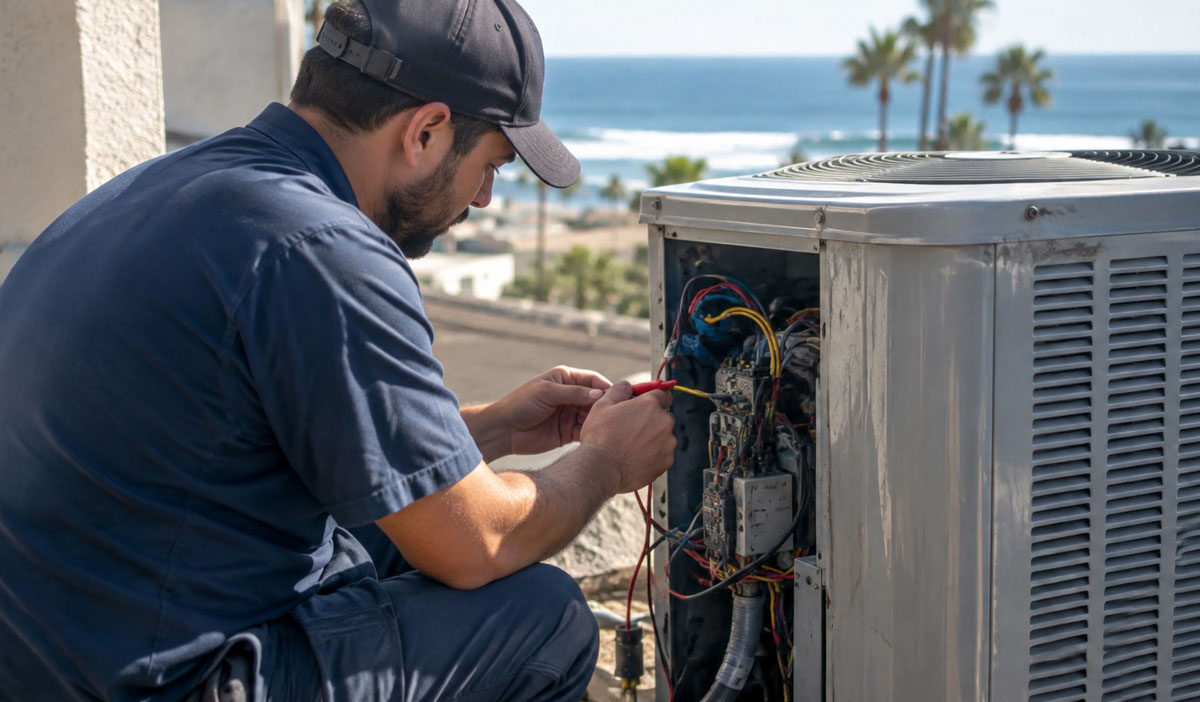
Different sounds can point to different components. Rapid clicking at the outdoor unit may indicate a worn contactor that is struggling to engage. A persistent hum while the fan remains still can suggest a weak run capacitor affecting the condenser fan motor or compressor. Indoors, a high-pitched squeal may indicate a slipping belt on an older air handler, while grinding sounds can point to worn blower motor bearings. A sharp hissing sound near the evaporator coil or refrigerant line insulation may indicate a refrigerant leak, especially when cooling performance has also declined.
Odors can provide additional clues. A musty smell after startup may indicate moisture lingering in the drain pan or algae growing inside the condensate line. A burning odor can come from overheated motor windings or dust heating on electric heat strips in a heat pump air handler. If you smell burning, turn off the system at the thermostat and breaker before taking further action. For example, if the outdoor fan hums after several foggy days but won’t start, and the blade begins moving only after you nudge it, the problem may involve a failing capacitor. A professional should evaluate that condition and install a replacement with the correct microfarad rating.
3. Coastal Factors in Oceanside That Accelerate Wear
Salt air promotes corrosion, and the thin aluminum fins on a condenser coil are particularly vulnerable. Pitting reduces available surface area, while bent fins restrict airflow and make it harder for the coil to release heat. As a result, the compressor may run hotter, operating pressure may rise, and the system may activate a high-pressure safety control. Windblown sand can collect between fins and around the base pan, further restricting airflow and holding moisture against metal surfaces. Oceanside’s morning marine layer also raises humidity, which can encourage algae growth inside condensate drains and cause a float switch to shut the system down if water backs up.
Ultraviolet exposure creates another coastal concern. Sunlight can crack insulation on the suction line and make wire jackets brittle at the condenser, increasing the risk of electrical faults or sensor problems. Protective accessories also involve a trade-off. Coastal coatings and corrosion-resistant cabinets can slow deterioration, but dense debris screens or aftermarket guards may restrict airflow if they clog. Gentle rinsing and careful coil maintenance usually protect heat transfer more effectively than adding a barrier that reduces airflow, especially during periods of strong Santa Ana winds.
4. Safe Checks You Can Do Today
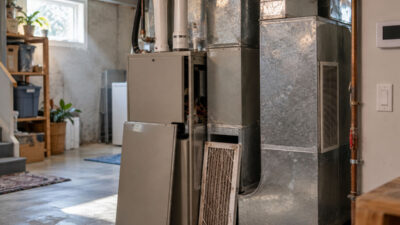
Start at the thermostat by confirming that it is set to Cool, the temperature setting is appropriate, and the fan is set to Auto. At the electrical panel, check whether the AC breaker has tripped and confirm that the outdoor disconnect is properly seated. Replace a dirty 1-inch pleated filter with the correct size and an appropriate MERV rating. Very high MERV filters may restrict airflow in older duct systems, so filtration should match the return size and blower capacity.
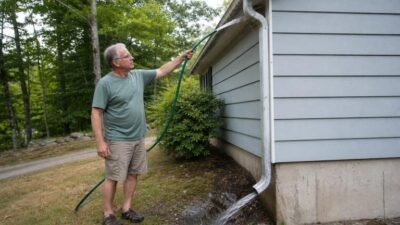
Outdoors, maintain adequate clearance around the condenser per the manufacturer’s recommendations, and gently rinse loose salt and dirt from accessible coil surfaces with a garden hose if routine rinsing is allowed. Avoid pressure washers because they can bend fins and damage the coil. At the air handler, inspect visible condensate components for signs of standing water or blockage. If your system has a float switch near the drain pan, make sure it is not stuck in the raised position. Never bypass safety switches or attempt to replace electrical components such as capacitors yourself. Even when power is disconnected, capacitors can retain dangerous electrical energy. If the evaporator coil or suction line is covered with ice, turn cooling off and allow the system to thaw completely before operating it again.
When a Technician’s Evaluation Is the Right Next Step
Electrical and refrigerant diagnostics require proper tools and training. A licensed HVAC technician can test a run capacitor, inspect contactor condition, measure total external static pressure, and verify blower performance against the manufacturer’s specifications. On the refrigerant side, the technician can measure superheat and subcooling, evaluate the thermal expansion valve, detect leaks, and recover or recharge refrigerant according to applicable regulations if repairs are required. Repeated breaker trips, a condenser fan that will not start, or ice that returns after a full thaw are all reasons to arrange service promptly.
Repair or replacement decisions can also become clearer in a coastal environment. A condenser with extensive fin deterioration, corroded coil tubing, and repeated high-pressure shutdowns may still operate inefficiently and put extra stress on the compressor, even after cleaning. By contrast, a failed capacitor, damaged contactor, or clogged condensate line may be addressed with a focused repair. When considering replacement, discuss expected remaining service life, maintenance needs, compatibility with modern controls, and the condition of the refrigerant line set. Replacing deteriorated insulation and properly sealing wall penetrations can also help reduce future exposure to moisture and salt.
Oceanside’s coastal climate rewards consistent maintenance. Simple checks involving airflow, drainage, and basic electrical status can restore performance in minor cases and help prevent additional damage when a component begins to fail. A qualified technician should handle problems involving refrigerant, high voltage, repeated shutdowns, or persistent icing. Timely service can protect the compressor, maintain coil efficiency, and confirm that the thermostat, air handler, and outdoor unit are operating together correctly. With regular coastal maintenance and prompt attention to warning signs, your AC system can handle salty mornings, windy afternoons, and summer heat with fewer unexpected problems.