A good trip to a Liverpool forecourt starts on your sofa the night before. Sort out your budget, history checks, paperwork and finance questions in advance, and the visit becomes a practical final step rather than a stressful haggle.
Sort your needs and real budget first
Start by thinking about how the car will fit into your week. Short hops around the centre and regular M62 runs are likely to point you towards different engines, fuel types and body sizes.
Write down your total monthly cost before you start looking at adverts. Add the likely finance payment, insurance, tax and servicing into one figure. Put fuel or charging on a separate line so you can compare petrol, hybrid, electric and diesel models fairly. That comparison matters around here because home and public charging prices change the maths for many households. Don’t rush this part.
Think in terms of three to five years of running costs rather than focusing on the windscreen price. Insurance group, road tax band, service intervals and tyre sizes all affect what you will actually pay. A cheap sticker price can be offset by expensive insurance or high servicing bills. The growing mix of petrol, diesel, hybrid and electric vehicles on used forecourts also makes like-for-like cost comparisons important.
Be honest about the difference between must-haves and nice-to-haves. If you park on a tight terrace street, size and turning circle are more useful than extra seats you will rarely use. If you tow or regularly carry bulky gear, boot shape and load height matter more than trim toys. Write your list down and take it with you.
Get insurance quotes the night before for the exact models and trim levels on your list. A small engine can still sit in a high insurance group if the trim adds power. Quotes take only a few minutes online and prevent a surprise when you call to tax the car. A higher-than-expected premium can make an otherwise affordable deal impractical.
Build a shortlist and compare showrooms
Dealer locations are spread across Liverpool and the wider Merseyside area, so group viewings by location where possible. That reduces unnecessary travel and leaves more time for inspections and test drives.
Shortlist two or three cars online before you travel. Read each full advert, look closely at all the photos and note the mileage, trim, engine code and specification. Check dealer reviews and see whether the dealer is signed up with The Motor Ombudsman. That accreditation does not promise a perfect car, but it provides an independent route if something goes wrong.
It pays to compare more than one site on the same day. Review stock lists, photos, customer feedback and opening times, then pick two sites to call before setting off. Ring ahead to confirm that the cars are still on site and available at the advertised price.
Compare like with like when putting together your shortlist. The same engine and gearbox matter more than the same colour. Low mileage can help, but service stamps and previous MOT notes tell you more about how a car has been used. Keep notes in one place, along with links to adverts and questions about each car.
Don’t travel across the city based on a guess. Ask for the registration so you can complete the relevant history checks at home. Confirm that the car is on site and ready to drive. You can also ask for extra photos of the wheels, tyres, trim and service book before making the journey.
Do the history homework on specific cars
Once you have the registrations, complete the checks at home. Use the free MOT history service to view previous results, advisories, recorded mileage and test dates. Look for repeated advisories and unexpected gaps in the mileage record. Long periods with no MOT tests may mean that the car was sitting unused.
Run a vehicle history check on any car you seriously plan to see. A proper HPI check can flag outstanding finance, prior write-offs, mileage discrepancies and theft markers. Don’t skip this step simply because the car is cheap. It is particularly important when a low price is one of the main attractions.
When you reach the car, compare the advert with the V5C logbook and the vehicle itself. Confirm the registration, VIN, fuel type and recorded engine details where shown, then verify advertised trim and options on the car. Details that do not line up, or a seller who will not explain why the logbook is unavailable, give you a good reason to pause. Take photos of the plates, stickers, service book and mileage display so you can check everything again later.
Emissions rules deserve attention if the vehicle will be used in cities with low-emission or clean-air zones. Check every regular destination on the relevant official website, ask for the vehicle’s Euro standard in writing and confirm eligibility before agreeing to anything.
Get finance and part-exchange figures straight
Value your part-exchange the night before your visit. Run the registration through two online valuation tools and write down both figures. Treat those valuations as a guide rather than a promise. The final trade-in figure will depend on the tyres, paint condition, service gaps and how quickly the dealer believes your car will sell.
If you still owe money on your current car, bring an up-to-date settlement figure with you. The dealer will need to clear that loan before the trade-in can go through. If you owe more than the car is worth, the shortfall does not disappear. It will roll into the new agreement and increase the amount you need to borrow.
Prepare your finance questions before you sit down at a desk. Ask what APR you qualify for based on your credit profile and deposit rather than relying on the headline representative rate. Check whether you can settle early and whether any fee applies. It also helps to compare forecast costs from two dealers, and a quick search for a car dealer liverpool will show reviews, stock, contact details and opening times so you can arrange those calls in one evening.
Keep your attention on the total cost instead of looking only at the monthly payment. A longer term can reduce the monthly figure while increasing the total amount you repay. Ask for the total repayable, deposit, term and any fees in a single quote. You can then compare it properly with the insurance and running costs at home.
Pack the right documents and plan your inspection
Pack a small folder the night before. Take your driving licence, proof of ownership for any part-exchange, the settlement letter and relevant service records if you still have a loan to clear. If you have two keys and the service book, bring those as well. Missing paperwork can quickly delay a same-day deal.
Ask how the tax will be handled if you decide to buy. Road tax no longer passes with the car, so you will need to tax it before driving home. Some delivery deals sort this for you while you wait. Check the tax status before you leave the forecourt and make sure you understand who is responsible for completing it.
Walk around the car slowly and inspect it in daylight. Look for uneven panel gaps, mismatched paint, kerbed wheels and signs of damp in the boot. Start the engine from cold if possible and listen carefully for rattles. Inside, try every switch, seat fold, charging port and spare key.
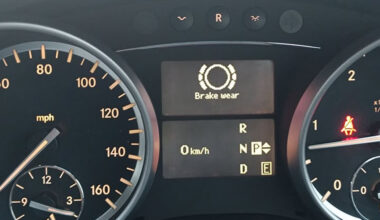
Ask to see service stamps and receipts rather than accepting a tick on an advert. Gaps of two years alongside high mileage tell their own story. Check that tyre brands match across each axle and look at the brake discs for obvious lips and wear. Pay close attention to warning lights that do not clear as expected after start-up.
Take your time during the inspection and don’t let yourself be pushed into deciding on the spot.
Plan a test drive that tells you something
Confirm the insurance position before starting the test drive. Most dealers use trade plates and motor trade cover that protects test drives, but ask exactly who is covered and what excess applies. Bring the correct licence for the car and have your licence code ready in case the dealer needs to check it online.
Plan a route that combines slow streets with a faster section. Stop-start traffic near the shops will reveal visibility and parking ease, while a faster road such as the A57 or the M62 approach lets you judge noise and pickup. This gives you a useful view of both sides of daily driving in around twenty minutes.
Turn off the radio and other distractions for part of the drive so you can hear the car. Listen for suspension knocks, tyre noise and excessive wind noise. Try a hill start and a few reverse manoeuvres. If you are testing an electric or hybrid car, compare the claimed range with the indicated real use and think about where you would charge at home and on the road.
Take a passenger if possible and, with the dealer’s permission, check that your usual luggage or child equipment fits the boot. A partner or knowledgeable friend can offer a useful second opinion.
Check warranty, consumer rights and final paperwork
Ask what cover comes with the car before discussing the price. A used car bought from a dealer comes with protection under the Consumer Rights Act 2015 and must be of satisfactory quality, fit for purpose and as described, taking relevant circumstances into account. Ask how long any dealer warranty lasts, who handles claims and what it excludes in plain terms.
Don’t assume that you can simply bring the car back for a refund. There is no automatic cooling-off period when you buy in person after seeing the car. Some dealers offer a short exchange promise, although many do not. Get everything in writing before paying, including the mileage, specification, warranty terms and any promised repairs on the invoice.
Check the final numbers carefully, one line at a time. The written deal should clearly show the car price, trade-in value, deposit and amount to finance. Confirm how road tax and documents will be handled. If you buy on the same day, establish who will tax the car and when the plates and documents will transfer. Keep copies of calls and texts until the V5C arrives in your name, then store that document with the invoice.
Time your trip for a point when you feel calm and unhurried. Rather than trying to guess when a showroom might offer a lower figure, concentrate on the car, its condition and the full cost of the deal. Go in prepared to walk away and return after thinking it over. A car that is genuinely right today should still make sense after a night’s thought.
Do the dull work at home and the forecourt trip becomes much easier. You will ask sharper questions, notice incorrect details quickly and leave with terms you understand.