The automotive industry is moving toward a more connected digital experience. Customers increasingly expect to search for vehicles, schedule maintenance, request roadside assistance, manage appointments, and make payments through their smartphones. For automotive businesses in Orlando, connected mobile applications can provide a practical way to bring these services together while creating a more convenient customer journey.With the growing demand for digital automotive services, mobile app development in Orlando is helping businesses create convenient and connected experiences for today’s drivers.
As competition increases across dealerships, rental companies, repair shops, and automotive service providers, businesses are exploring technology that can improve both customer engagement and operational efficiency. A mobile app development company in Orlando can help automotive businesses build applications that connect customers with services, vehicle information, locations, and real-time updates through a single platform.
What Makes a Connected Automotive App Different?
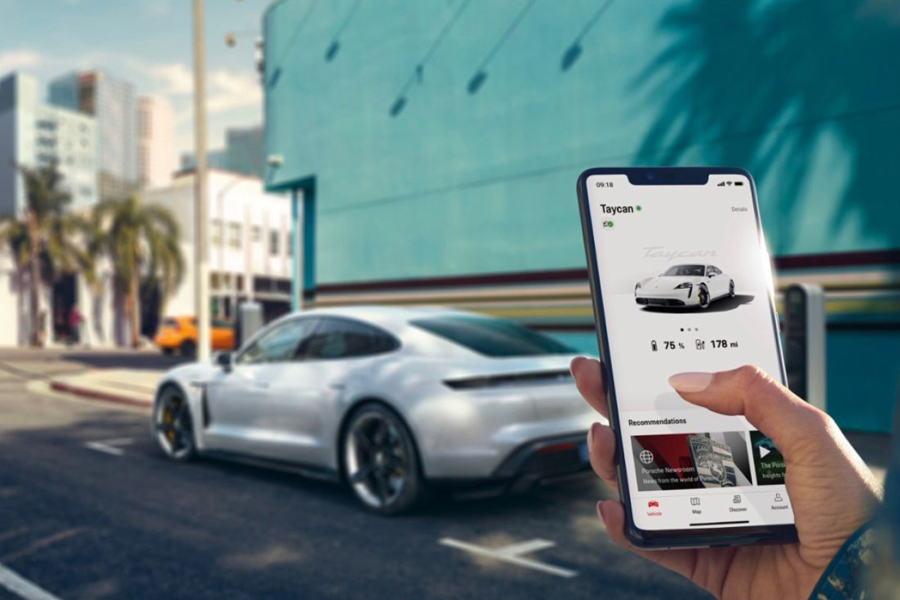
A connected automotive app goes beyond displaying basic business information. Through automotive app development, businesses can create applications that communicate with backend systems, vehicle data platforms, GPS services, payment gateways, booking systems, and customer databases to provide more dynamic functionality.
For example, a customer could receive a maintenance reminder, check available service appointments, book a time, receive status updates, and pay for the completed service without leaving the application. The exact functionality depends on the business and the systems it uses.
This connected approach can make automotive services easier to access while giving businesses a centralized digital channel for customer interactions. With effective automotive app development, companies can also build scalable features that support changing customer expectations and future connected-vehicle technologies.
Key Features of Modern Automotive Apps
Vehicle and Maintenance Management
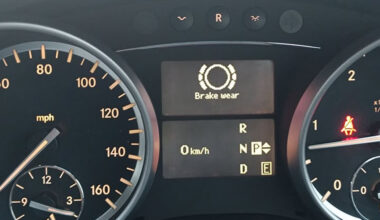
Drivers can store vehicle details, maintenance records, mileage, and service information within an application. Automated reminders can help users keep track of scheduled maintenance and inspections.
For automotive service businesses, digital maintenance records can also make it easier to provide customers with information about previous services and recommended maintenance.
Real-Time Service Updates
Customers often want to know what is happening after they leave their vehicle at a service center. Apps can provide notifications about appointment confirmations, inspection results, repair progress, and vehicle readiness.
This reduces the need for customers to repeatedly contact service staff for basic updates.
Location-Based Services
GPS functionality can connect users with nearby automotive services. Depending on the application, customers may be able to locate dealerships, repair centers, charging stations, parking facilities, car washes, or roadside assistance providers.
For businesses operating across multiple Orlando locations, location-based features can also help direct customers to the appropriate branch.
Digital Payments and Booking
Modern automotive applications can integrate secure payment systems and appointment scheduling. Customers can select services, choose available time slots, review costs, and complete payments through their mobile devices.
For rental businesses, similar functionality can support vehicle reservations, digital check-in, booking management, and payment processing.
How Connected Apps Can Help Orlando Automotive Businesses
Connected applications can provide benefits on both sides of the customer relationship. Customers receive easier access to services, while businesses gain a digital channel for managing interactions.
Dealerships can use apps to showcase inventory, schedule test drives, communicate with potential buyers, and provide post-purchase services. Repair shops can manage appointments, service notifications, invoices, and maintenance histories.
Rental and fleet businesses can use connected applications to manage reservations, vehicle availability, customer accounts, and location-based services. These capabilities can be particularly useful for businesses that manage large numbers of vehicles or frequent customer transactions.
AI and Data Are Adding Another Layer
Artificial intelligence and data analytics are becoming important components of modern automotive applications. AI-powered assistants can answer common customer questions, help users navigate services, and provide relevant recommendations.
Data analytics can help businesses understand booking trends, frequently requested services, customer engagement, and operational patterns. With appropriate privacy and security controls, this information can support business planning and improve digital experiences.
Connected vehicle data may also support predictive maintenance applications. Instead of relying only on fixed service intervals, certain systems can analyze vehicle information and identify potential maintenance needs. Such functionality depends on the availability and accuracy of vehicle data and should be presented as an aid rather than a guaranteed diagnosis.
Security and Privacy Should Be a Priority
Connected automotive applications can handle sensitive information, including customer accounts, payment details, location information, and potentially vehicle data. Security therefore needs to be considered from the beginning of development.
Businesses should use appropriate authentication, encryption, secure payment integrations, access controls, and regular security testing. They should also clearly explain what information is collected, why it is collected, and how it is used.
A secure application is not only a technical requirement but also an important part of maintaining customer trust.
Building an Automotive App That Can Scale
Not every automotive business needs the same application. A local repair shop may primarily need booking, maintenance records, notifications, and payments, while a dealership or rental company may require inventory systems, fleet management, GPS services, and multiple third-party integrations.
Before development begins, businesses should identify their primary users, business objectives, essential features, existing software integrations, and future requirements. Starting with a focused set of useful features can make development more manageable while allowing the application to expand over time.
A mobile app development company in Orlando can work with automotive businesses to plan the application’s architecture, integrate relevant technologies, and create a platform that can adapt as business requirements change.
The Future of Connected Automotive Experiences
Automotive applications are becoming part of a broader connected mobility ecosystem. Electric vehicle charging, digital vehicle access, smart parking, connected-car services, AI assistants, and predictive maintenance are creating new opportunities for mobile technology.
For Orlando businesses, the opportunity is not simply to launch another mobile application. The focus should be on creating a useful digital connection between customers, vehicles, and automotive services.
Conclusion
Connected automotive apps are changing how businesses deliver vehicle-related services and how customers interact with automotive companies. From digital bookings and maintenance management to AI-powered assistance and connected vehicle services, mobile technology can simplify increasingly complex automotive experiences.
For Orlando businesses, developing a connected automotive application can provide a foundation for modern customer service and future digital integrations. With the right strategy, security measures, and technology partner, automotive companies can create mobile experiences that are useful today while remaining flexible enough to support tomorrow’s connected mobility landscape.