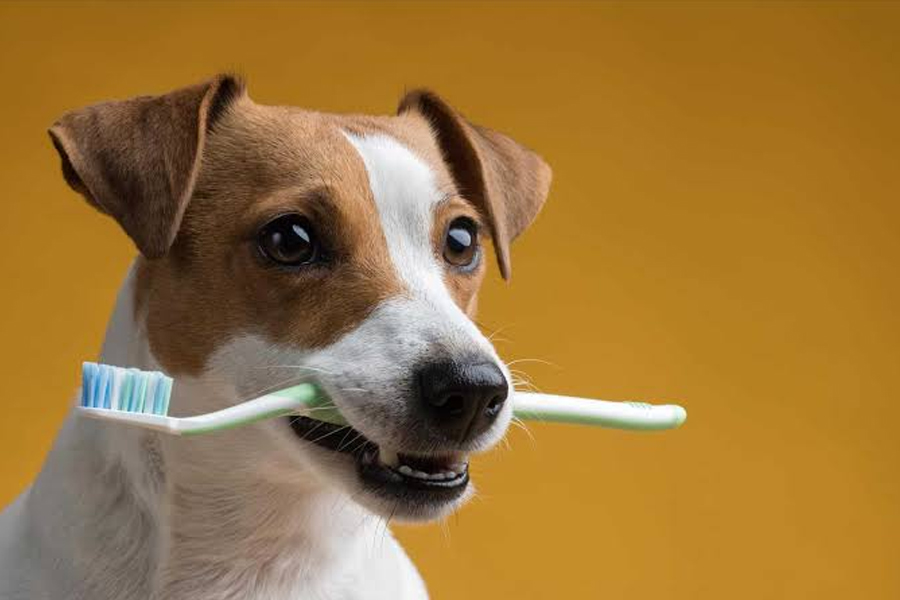
You notice the little things first. Bad breath that was not there before. A dog who drops kibble on the floor, a rabbit who seems less eager to eat, a cat who still walks to the bowl but only licks at soft food. It is easy to tell yourself it can wait, especially when your pet is acting mostly normal, but seeking quality dental care for pets in Silver Spring can make a meaningful difference. Dental problems often hide in plain sight, and that is what makes them so hard on owners. By the time the signs are obvious, your pet may already be living with daily pain.
The link between dental health and overall pet wellness is not just about clean teeth or fresher breath. Mouth disease can affect comfort, appetite, behavior, and in some cases the heart, liver, and kidneys. According to VCA’s overview of dental disease and systemic disease in pets, bacteria and inflammation tied to dental disease may have effects beyond the mouth. That means routine dental care is part of protecting your pet’s whole body, not a cosmetic extra.
Dental disease in pets often starts quietly and builds into a larger health problem
Plaque begins as a soft film on the teeth. If it is not removed, it hardens into tartar, creeps under the gumline, and creates the right conditions for infection. Gums become inflamed, teeth loosen, and chewing starts to hurt. Pets rarely announce that pain in obvious ways. They adapt. They chew on one side, swallow food whole, pull away when you touch their face, or stop playing with toys they used to love.
This is where owners get caught. A pet can keep eating and still have severe dental disease. Many animals keep going because that is what they do. You may think, if they were really hurting, they would stop eating altogether. Often that is not how it looks. Instead, you see mood changes, weight loss, irritability, or a drop in grooming. In small animals, especially rabbits and rodents, dental issues can turn serious fast because eating less can quickly affect the gut and overall stability.
Pet oral health also affects cost. A simple cleaning done early is usually easier than treating advanced infection, extractions, or illness linked to long term inflammation. Waiting tends to make the problem deeper and more expensive. It also extends the time your pet lives with avoidable pain.
Small animal veterinarian care helps connect mouth symptoms to whole body wellness
A small animal veterinarian does more than look at teeth. A proper exam connects oral signs with the rest of your pet’s health. Bleeding gums, heavy tartar, loose teeth, oral masses, or jaw pain can change how a veterinarian approaches nutrition, pain control, lab work, and treatment planning. If your pet has kidney disease, heart concerns, or diabetes, dental disease can complicate management. If your pet is older, the idea of anesthesia may worry you, and that worry is understandable. It still helps to know that the bigger risk is often untreated disease and chronic pain, not the conversation about care.
Preventive care matters because dental disease is common. The AVMA pet dental care brochure explains that most dogs and cats show signs of periodontal disease by age three. That number surprises people, mostly because so many pets suffer quietly. When a veterinarian recommends a dental exam, cleaning, or home care routine, the goal is simple. Reduce pain, control infection, and protect long term health.
Home care and professional treatment work best together
Brushing at home helps slow plaque buildup. Dental chews, rinses, diets, and toys may also help, depending on the pet and the product. None of those replace a professional exam or cleaning when disease is already present below the gumline. That hidden area is where much of the damage happens. You cannot brush away a pocket of infection under the gums, and a pet with advanced disease needs more than surface cleaning.
Keeping teeth healthy to protect your pet’s overall well being comes down to consistency. Daily or near daily home care works best, but even a few times a week can be better than doing nothing. The key is choosing a routine your pet will tolerate and your household can maintain.
Comparing home dental care and professional veterinary dental treatment
| Approach | What It Helps With | Limits | Best Use |
| Tooth brushing | Reduces plaque on visible tooth surfaces, supports gum health | Does not treat tartar under the gums or infected teeth | Daily prevention after a veterinary exam |
| Dental chews or dental diets | May reduce plaque and tartar in some pets | Not every product is effective, not safe for every pet | Added support for pets cleared by a veterinarian |
| Professional dental cleaning | Cleans above and below the gumline, allows full oral exam | Requires veterinary planning and often anesthesia | Diagnosis, treatment, and prevention of progression |
| Dental x rays and extractions when needed | Finds hidden disease, removes painful damaged teeth | More involved treatment, higher cost than prevention | Advanced disease, pain, fractured or loose teeth |
Simple steps can protect your pet’s dental health and overall wellness
Schedule an oral exam. If your pet has bad breath, drooling, pawing at the mouth, trouble chewing, or visible tartar, book a veterinary visit. If you do not see symptoms, keep routine wellness exams on schedule because many dental problems are found there first.
Start one home care habit you can keep. A pet safe toothbrush and toothpaste are often the best place to start. Go slowly. Let your pet lick the toothpaste, touch the lips, then build up to short brushing sessions. Consistency matters more than perfection.
Watch behavior, not just teeth. Less interest in food, changes in grooming, dropping food, chewing on one side, or acting withdrawn can all point to mouth pain. This matters for dogs and cats, and it matters just as much for rabbits and other small pets.
Dental health and whole pet health are tied together more closely than many owners realize. If your pet seems a little off and you cannot quite put your finger on why, the mouth is a smart place to check. Early care can spare your pet pain, protect daily comfort, and prevent a manageable issue from turning into a much larger one.
If your pet is showing signs of dental trouble or is due for a checkup, schedule an appointment with a small animal veterinarian. A clear exam and a practical care plan can make a real difference.