Key Takeaways
- The best vehicle supports everyday routines, not only occasional trips or short-term preferences.
- Space, fuel use, safety, comfort, and long-term costs all matter before signing a purchase agreement.
- A careful test drive can reveal issues with visibility, seating, parking, and controls that online research cannot.
- New and pre-owned vehicles can both be smart choices when matched to a clear budget and realistic needs.
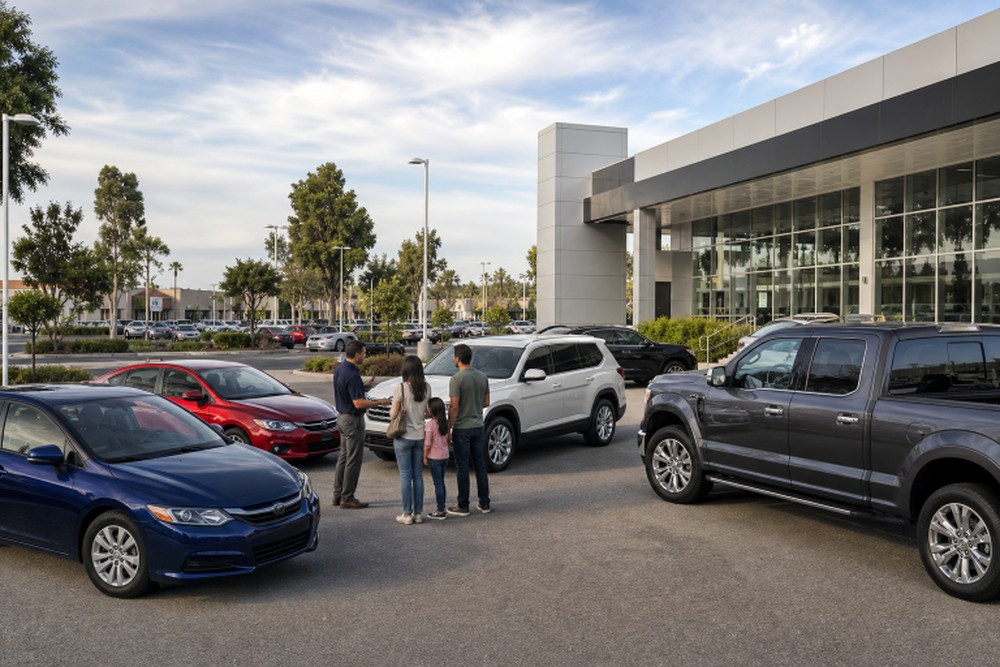
Choosing a vehicle is easier when the decision begins with your real schedule. Before focusing on styling, trim packages, or large screens, think about commuting, school runs, errands, parking, passengers, and weekend plans. Local shoppers who want to compare options in person can learn more while building a list of vehicles that match their priorities.
A vehicle should feel useful on an ordinary Tuesday as well as on a vacation weekend. That means considering who rides with you, what you carry, where you drive, and how much room your budget leaves for fuel, insurance, maintenance, and unexpected repairs.
Start With A Clear Picture Of Daily Driving
Write down what a typical week looks like before comparing vehicle classes. Estimate your weekly mileage, count the people who usually ride with you, and note whether your routes are mainly city streets, highways, rural roads, or a mix. Also consider work equipment, sports gear, pets, strollers, luggage, and anything else that regularly occupies the cabin or cargo area.
A person who commutes alone and parks in a crowded downtown area may value easy maneuvering more than maximum cargo capacity. A household that transports children, pets, and groceries every day may find that a small vehicle quickly becomes inconvenient. Honest answers can prevent both overbuying and choosing too little space.
Match Vehicle Size To Real Needs
Small Cars And Compact Vehicles
Small cars are often easy to park, efficient to operate, and comfortable for solo drivers or couples. They can be a practical fit for shorter commutes, but rear-seat room and cargo capacity may be limited when adults, bulky gear, or frequent road trips are part of the routine.
Compact And Midsize SUVs
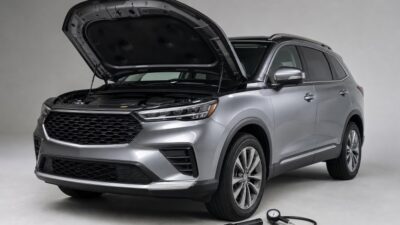
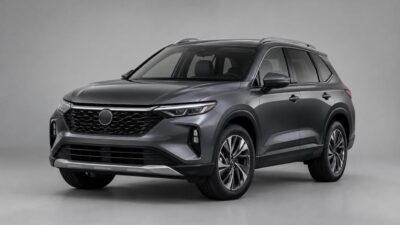
Compact and midsize SUVs can offer a higher seating position, flexible cargo areas, and enough room for many small families. They often provide a useful middle ground for drivers who want more versatility without moving into a larger three-row vehicle.
Three-Row SUVs, Minivans, And Trucks
Three-row SUVs and minivans can simplify carpooling and family travel, especially when the third row is used regularly. Pickup trucks make more sense when hauling, towing, or performing job-site duties are frequent. In either case, buyers should confirm that the added size, fuel consumption, and parking needs fit their daily lives.
Compare Gas, Hybrid, Plug-In Hybrid, And Electric Options
Powertrain choice should reflect your driving distance, charging access, climate, and budget. Gasoline vehicles remain familiar and easy to refuel. Hybrids can reduce fuel use during stop-and-go driving. Plug-in hybrids can handle many short trips on electricity while retaining a gasoline engine for longer drives. Electric vehicles can be especially convenient for drivers with dependable home or workplace charging.
Rather than comparing purchase prices alone, estimate annual energy costs using the same mileage assumptions for each vehicle. The fuel economy label provides a consistent way to compare efficiency and estimated fuel costs, although your own results will vary with weather, driving habits, and road conditions.
Review Safety Features And Ratings
Safety involves more than a long list of available technology. Check crash-test performance separately from driver-assistance features, then decide which tools would genuinely help your household. Useful features may include forward collision warning, automatic emergency braking, blind-spot warning, lane-keeping assistance, rear cross-traffic alert, cameras, and parking sensors.
Families should also check rear-seat space and child-seat accessibility instead of assuming every SUV works equally well. Before narrowing your list, use vehicle safety ratings and recall information to compare crash protection, rollover results, and available safety technology.
Think About Total Ownership Costs
The monthly payment is only one portion of the budget. Compare the likely cost of insurance, fuel or charging, loan interest, registration, tires, brakes, routine service, repairs, and expected resale value. A less expensive vehicle can end up costing more over time if it needs frequent repairs or uses substantially more fuel.
Create a simple three-year or five-year estimate for each finalist. Use the same annual mileage, local energy price, insurance quote, and maintenance allowance to keep the comparison fair. Leave room in the budget for an emergency repair, even if the vehicle is under warranty.
Decide Between New And Pre-Owned
A new vehicle may offer up-to-date safety equipment, full warranty coverage, and more color and configuration options. A pre-owned vehicle may have a lower purchase price, slower depreciation after the earliest ownership years, and access to comfort features that would cost more on a new model.
When shopping for a pre-owned vehicle, review the vehicle history report, check for open recalls, inspect the vehicle in daylight, and ask for maintenance records. Look closely at tire wear, brakes, paint consistency, warning lights, and signs of water damage. An independent inspection can be worthwhile before completing a purchase.
Use A Smart Test-Drive Process
A test drive should resemble normal use rather than a quick trip around the block. Adjust the seat and steering wheel, check visibility over the hood and around the rear pillars, and test entry and exit for regular passengers. Bring a child seat, stroller, work bag, or other item that represents your everyday cargo.
Drive on streets that include turns, rough pavement, parking areas, and highway speeds when possible. Notice seat comfort, cabin noise, brake feel, turning radius, and whether the main controls are easy to reach without taking attention from the road. Comparing two or three vehicles on the same day makes differences easier to recognize.
Ask The Right Questions Before Buying
- What is the full out-the-door price, including fees and taxes?
- Which safety and convenience features are standard, and which require extra packages?
- What warranty coverage remains, and what routine service is recommended?
- Are there open recalls, unresolved service campaigns, or prior accident repairs?
- Will the vehicle fit your garage, driveway, workplace parking space, and usual routes?
- If towing is important, what are the actual towing and payload limits for that configuration?
Common Vehicle-Shopping Questions
How Much Vehicle Does A Small Household Need?
A compact car or small SUV may be enough when most trips involve one or two people. Consider moving up in size only when passengers, pets, bulky cargo, or long-distance travel are regular needs.
Is A Higher Fuel-Economy Rating Always Better?
Efficiency is valuable, but it should not outweigh practical needs. A highly efficient vehicle that cannot carry your passengers, handle your route, or support your charging situation may not be the best overall value.
How Can Buyers Avoid Choosing Too Many Vehicles?
Track passenger count, cargo needs, parking limits, and trip distances for two weeks. That simple record often makes the right size and powertrain much clearer.
Conclusion
The right vehicle is the one that supports your real life, fits your budget, and remains comfortable even after the excitement of buying wears off. Compare several vehicle types, calculate ownership costs, review safety information, and complete a thorough test drive before making a final decision in 2026.