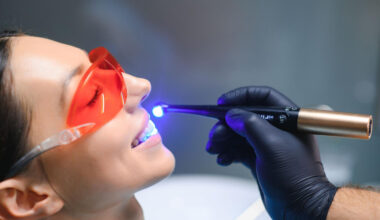
Jaw discomfort can make ordinary Jacksonville routines, from a long commute to a busy workday or a meal with family, feel surprisingly difficult. The temporomandibular joints, often called TMJs, help the lower jaw move for speaking, chewing, and yawning. When pain, tightness, or limited motion develops, a thoughtful approach to integrative holistic dental care may help explore the factors affecting jaw comfort. Because the jaw works with muscles in the face, head, and neck, discomfort can sometimes feel broader than a single sore joint. Paying attention to when symptoms begin, which activities aggravate them, and whether they improve with rest can provide a provider with useful context.
TMJ is commonly used as shorthand for a group of jaw-related concerns, but symptoms can come from muscles, the joints, teeth grinding, stress, sleep disruption, injury, or other health issues. This guide offers practical, conservative information for Jacksonville residents, while emphasizing when a dental or medical evaluation is the wiser next step. It is not a substitute for a personal diagnosis, especially since tooth problems, sinus concerns, ear conditions, and certain headache disorders can sometimes resemble jaw-related pain.
Key Takeaways
- Jaw symptoms may involve the face, temples, ears, neck, or chewing muscles.
- Clenching, grinding, repetitive chewing, stress, and posture can add strain.
- Clicking without pain or limited movement does not always need treatment.
- Short-term self-care may help mild flare-ups, but persistent symptoms need assessment.
- Conservative care is often considered before treatments that permanently change the teeth, bite, or joints.
Table of Contents
- What TMJ Problems Can Feel Like
- Common Triggers of Jaw Discomfort
- Sleep, Clenching, and Grinding
- Simple Daily Steps for Jaw Comfort
- When to Seek Professional Help
- Care Options to Discuss
- Frequently Asked Questions
What TMJ Problems Can Feel Like
The temporomandibular joints sit just in front of the ears, while temporomandibular disorders (TMDs) encompass a broader group of problems involving the joints, jaw muscles, and surrounding tissues. Symptoms can include soreness, stiffness, pain when chewing or yawning, temple headaches, facial tenderness, ear discomfort, popping, or difficulty opening the mouth fully. A clicking or popping sound alone is not necessarily serious. However, sounds associated with pain, locking, or reduced range of motion warrant attention. Ear and facial pain may also have causes unrelated to the jaw, so self-diagnosis can miss important details. Some people notice symptoms mainly after a long conversation, a chewy meal, or waking in the morning, while others experience them more steadily. Changes in the way the teeth meet, a jaw that briefly catches, or pain that spreads toward the neck are also details worth mentioning during an evaluation.
Common Triggers of Jaw Discomfort
Jaw discomfort often reflects several small stresses rather than one obvious cause. Common contributors include daytime clenching, nighttime grinding, gum chewing, nail biting, chewing pens, large bites, hard or sticky foods, poor head and neck posture, stress, poor sleep, past injury, and some dental procedures. For example, someone answering emails in a downtown Jacksonville office may keep their teeth pressed together for hours without realizing it. At rest, the teeth generally should not be touching. Holding a phone between the shoulder and ear, leaning toward a laptop, or maintaining a tense driving posture may also encourage neck and facial muscle tension. These habits do not explain every case, but noticing them can help a person make small, practical adjustments rather than assuming there is a single trigger.
Sleep, Clenching, and Grinding
Morning jaw soreness, tight chewing muscles, worn teeth, or temple headaches can be clues that clenching or grinding may be happening during sleep. They are not proof of a specific diagnosis. Loud snoring, gasping, repeated waking, or significant daytime fatigue should also be discussed with a qualified healthcare professional. A mouthguard can protect teeth or help in certain situations, but whether it helps with jaw pain depends on what is causing it. A properly fitted appliance should be chosen for the individual’s concern, not borrowed or bought as a one-size-fits-all solution. If an appliance causes new pain, changes the way the teeth fit together, or feels difficult to wear, the person who provided it should be contacted rather than trying to adjust it independently.
Simple Daily Steps for Jaw Comfort
For mild, short-lived symptoms, these habits may reduce unnecessary strain while you monitor changes:
- Rest the jaw briefly: Choose softer foods for a few days and avoid very wide bites or extreme yawning. Cut food into smaller pieces when possible so the jaw does not need to open as far.
- Check your resting position: Let the lips meet gently while keeping a small space between the upper and lower teeth. A simple reminder on a phone or computer can help identify unconscious daytime clenching.
- Use heat or cold carefully: A warm compress may soothe muscle tightness, while a cool pack may feel better after irritation. Use a cloth barrier and keep sessions short. Stop if either approach makes symptoms feel worse.
- Pause repetitive habits: Skip gum, pen chewing, nail biting, and attempts to make the jaw click. Choosing less chewy snacks for a short period may also reduce repeated loading of tender muscles.
- Relax the neck and shoulders: Take posture breaks during phone, computer, and driving time. Keep screens at a comfortable height when possible, and avoid staying in one position for long stretches.
- Track patterns: Note meals, sleep, stress, jaw sounds, pain level, and episodes of locking for several days. Bring these notes to an appointment, since they can make it easier to describe a pattern that is otherwise hard to remember.
Avoid aggressive stretching, forcing the jaw into place, or relying on another person’s mouthguard. Swelling, locking, or rapidly worsening pain should not be managed with home care alone. Gentle movement may be appropriate for some people, but exercises should be tailored to the suspected cause and are best guided by a qualified provider when symptoms are persistent or significant.
When to Seek Professional Help
Schedule a dental or medical evaluation if pain lasts more than a few days, repeatedly returns, limits eating, or noticeably reduces mouth opening. Assessment is also important after an injury or when symptoms include swelling, fever, numbness, persistent ear symptoms, frequent headaches, or ongoing sleep disruption. Sudden facial weakness, severe swelling, trouble breathing, chest symptoms, or difficulty swallowing requires urgent medical attention rather than routine jaw care. An evaluation may include questions about symptom timing, dental history, medications, sleep, stress, prior injuries, and other pain concerns, followed by an examination of jaw movement and tenderness. Depending on the findings, a provider may also need to rule out a dental infection or another condition unrelated to the TMJ.
Care Options to Discuss With a Provider
The right plan depends on examination findings, health history, and the likely source of symptoms. Many people start with education, habit changes, guided exercises, physical therapy, stress-management strategies, or, when appropriate, short-term medication. A provider may recommend a custom oral appliance in selected cases, imaging when it could clarify the diagnosis, or referral to a specialist for complex symptoms. The National Institute of Dental and Craniofacial Research explains that TMD care often begins with conservative, reversible approaches, which can help avoid unnecessary permanent changes to the bite or joint. Imaging is not always necessary for every episode of jaw discomfort, but it may be useful when there is a concern about the joint, bones, injury, or another diagnosis that cannot be clarified through examination alone. Before agreeing to treatment that would permanently alter teeth, bite, or jaw structures, ask why it is recommended, what alternatives exist, and whether a second opinion would be helpful.
Questions to Ask at an Appointment
- What may be causing the pain, sounds, or restricted movement?
- Could another condition explain these symptoms?
- Do I need imaging, physical therapy, or an oral appliance?
- What should I do during a flare-up, and what warning signs need faster follow-up?
- Could daytime clenching, nighttime grinding, sleep, or posture be contributing?
- Which activities should I temporarily limit, and when can I gradually return to normal chewing?
- Would keeping a symptom diary help identify patterns before the next visit?
Frequently Asked Questions
Is jaw clicking always serious?
No. Clicking without pain, locking, or reduced motion may not require treatment. New, painful, or worsening sounds should be evaluated. Avoid repeatedly trying to reproduce a click, since deliberate jaw movements can add irritation.
Can stress make jaw pain worse?
Stress can increase muscle tension and clenching. Breathing exercises, movement breaks, and better sleep routines can be supportive, although they are not a complete cure for every cause of pain. If stress feels difficult to manage or affects sleep regularly, discussing it with a healthcare professional may be useful.
Should I stop chewing during a flare-up?
Temporary jaw rest and softer foods may help, but prolonged avoidance of normal jaw movement should be guided by a professional. The goal is usually to reduce aggravating strain without becoming afraid of gentle, comfortable movement.
Can a mouthguard fix every TMJ problem?
No. An appliance may help some people, particularly when grinding is involved, but it does not address every source of jaw discomfort. A mouthguard should be part of an individualized plan, not a replacement for an evaluation when pain persists.
Conclusion
Everyday jaw comfort often improves when chewing habits, stress, sleep, posture, and clenching are considered together. Jacksonville residents with mild symptoms may benefit from careful short-term self-care, but recurring pain, locking, swelling, or limited movement warrants a professional evaluation and a measured plan. A clear description of symptoms, triggers, and changes over time can help make that conversation more productive and support a conservative approach tailored to the individual.