Why Your Oral Care Choices Matter
Bathroom shelves are modest stages with large environmental impacts. Daily activities can discreetly deposit plastic and chemicals beyond your sink. Every brush, tube, and pick starts with resource extraction and ends in a landfill or stream. Low-impact practices produce less trash, use less energy, and improve ecosystems. Better yet, smart modifications increase oral function and sensation. Better teeth, less guilt-filled disposables.
Rethinking Toothbrush Materials and Lifecycles
A toothbrush is basic, yet its design dictates where and how long it stays. Fast-growing bamboo handles reduce plastic. Reduce waste with a brush with replaceable heads. Before composting a bamboo brush handle, break off the bristles and check if your local compost site accepts small wood products. However, bio-based plastic bristles require industrial conditions to degrade. In the absence of that, recycle bristles through specific programs or throw them away to avoid compost contamination.
Storage matters too. Let brushes air dry upright and avoid closed caps that trap moisture. A well cared for brush lasts longer, which means fewer replacements. Replace your brush when bristles splay or feel rough on the gums, not purely on the calendar.
Toothpaste Formats That Reduce Waste
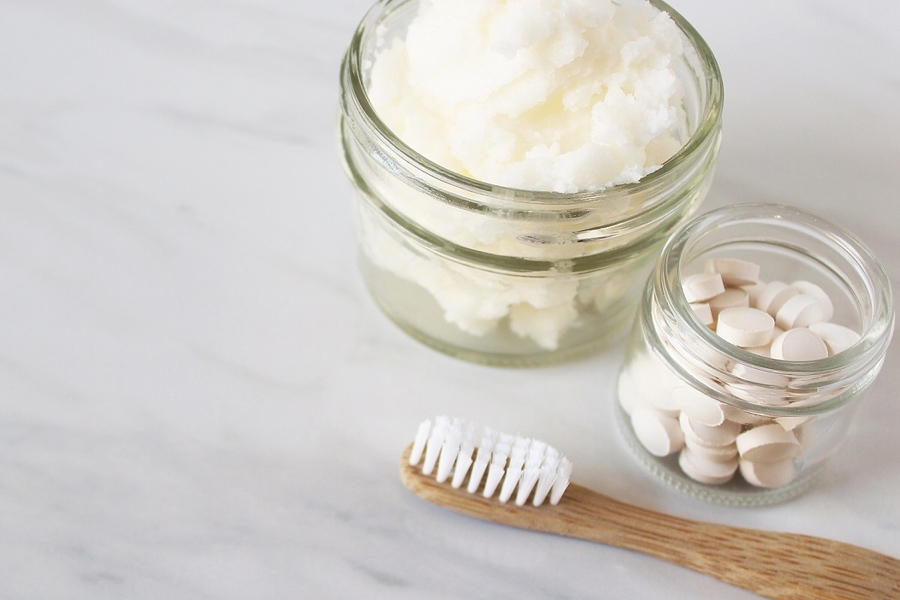
The toothpaste format is ready for change. Tablets, powders, and pastes in refillable glass, aluminum, or bioplastic containers reduce single-use tubes. Pills are portable and decrease dosing waste. Many mineral-based powders allow you regulate texture and flavor and wash softly.
No negotiation on performance. Fluoride-dependent products should explicitly indicate their fluoride content and delivery technique. Calcium phosphate or hydroxyapatite maintain enamel without harsh abrasives if you choose fluoride-free. Clean ingredients with modest abrasivity protect dentin and enamel. To ensure freshness, store refills in a cold, dry place and decant smaller amounts into daily use containers.
Low Waste Interdental Care
Interdental cleaners eliminate plaque where your brush can’t, yet they’re commonly packaged in plastic. Cardboard or aluminum floss refills ease the load. Refillable glass containers with biodegradable floss reduce hard casing waste. Choose floss picks made of compostable plant materials or recyclable polypropylene, and remove the thread from the handle before disposal if local laws require it.
Consider alternatives like interdental brushes with replaceable heads. They work well for larger gaps and braces, and the small bristle cylinders can be purchased as refills. Rinse and air dry them to extend life.
Water Wise Brushing Habits
Water is valuable. Turning off the water while brushing is the easiest conservation measure. Use a cup to rinse instead of continuous flow. For waste-free water temperature adjustments, fill a pitcher once and use it several times. Mindfulness saves energy in therapy and pumping, and every liter saved helps.
Mouth Rinses That Respect Your Drain
Mouthwash bottles can hold many synthetic chemicals and stack quickly. Refillable systems and concentrates cut packing. Dryness can be avoided with moderate alcohol-free rinses. A minimalist approach, salt water or baking soda solutions provide occasional freshness but cannot replace focused therapeutic rinses. Instead of strong fragrance, focus on tongue cleansing and interdental care for breath concerns.
Partnering With Eco Conscious Dental Care Providers
Your dentist can help maintain dental health. Ask about digital solutions that reduce paper and chemical films and dental product take-back programs. Patients can recycle brush heads or return empty containers for bulk refills at some clinics. Preventive care is sustainable since fewer repair operations use fewer resources and disposables. Regular cleanings, bite checks, and sealants prevent the need for complex treatments.
Stretching Product Life Without Compromising Hygiene
Longevity must never sacrifice hygiene. A few simple habits strike the balance:
- Keep tools clean with warm water and thorough rinsing after each use.
- Air dry completely before storing to deter bacterial growth.
- Rotate multiple interdental brushes to allow full drying time.
- Avoid harsh heat, which warps handles and weakens bristles.
- Replace items when they show visible wear or odor.
These practices keep tools performing well and limit premature replacements.
Budget Friendly Transitions
Eco enhancements might be partial. Swap toothpaste tubes and floss containers first, which generate the most waste. Choose refill methods with fair unit cost and track refill duration. Consistent dosage makes pills and powders stretch further. Bundling refills in subscription services reduces shipping emissions if delivery intervals match use. Compare monthly expenditures to your prior habit using receipts. The goal is continuous waste and money savings.
Small Rituals That Build Consistency
Habit fuels sustainability. Label tablet, floss refill, and interdental brush jars to organize your dental station. To keep packaging out of the trash, put a small recycling can near your restroom. Color-coded tools prevent mismatches and wasteful replacements in shared bathrooms. Use tactile signals like putting tablets in a weekly organizer or counting brush strokes to teach kids. Rituals become stories that last.
FAQ
Are plant based toothbrushes fully biodegradable?
Most handles made from bamboo or similar materials will break down under composting conditions, but bristles rarely do. Remove bristles and any metal staples before composting the handle. If industrial composting is not available, the handle can still decompose in green waste, though it may take longer. Bristles should go to trash or specialty recycling if offered in your area.
Can zero waste toothpaste protect enamel as well as traditional paste?
Yes, if the formula is balanced. Look for options with appropriate fluoride or bioactive minerals like hydroxyapatite, and avoid high abrasivity. Tablets and powders can be just as effective as paste when used with proper technique. The delivery method should not compromise the protective ingredients.
Is silk floss a good choice for the environment?
Silk is biodegradable and often packaged in refillable containers. It can be an eco friendly choice, but it is not vegan and may not be as tear resistant as some synthetics. Corn based or other plant derived flosses offer biodegradable alternatives with different texture and strength profiles.
Do refillable floss systems actually reduce waste?
They do. The refill spool replaces repeated hard plastic cases and cuts down the overall material used. Over time, the cumulative reduction in casings and wrappers becomes significant, especially for households that floss daily.
How can I reduce water use without changing my brushing routine?
Close the tap while brushing and use a small cup for rinsing. Keep a pitcher with pre adjusted temperature water if you dislike cold starts. These simple steps conserve liters per day without altering technique or timing.
Are mouthwash concentrates safe for daily use?
Many are designed for routine use. Follow label instructions for dilution and frequency. If your mouth feels dry or irritated, switch to alcohol free options or reduce concentration. Mouthwash should complement brushing and interdental cleaning, not mask underlying hygiene issues.
What should I ask my dentist about sustainability?
Ask whether the clinic supports product take back or recycling, uses digital imaging to reduce consumables, and emphasizes preventive care. You can also inquire about recommendations for low waste products tailored to your oral health needs.
How do I keep eco friendly tools clean without harsh chemicals?
Rinse thoroughly, let tools air dry, and store them upright away from closed, damp containers. Periodically clean handles with mild soap and water. Avoid boiling or high heat, which can damage materials and shorten life.
Will switching to tablets or powders increase my costs?
Not necessarily. Tablets provide constant dosing to prolong product life. Powders are commonly cost-effective. Users report monthly prices similar or cheaper than standard tubes with refills and decreased packing. To get real numbers, track usage for a few cycles.