Key Takeaways
- Choose a viewing time based on the light you want, your schedule, and your comfort with crowds.
- Check hourly conditions, including cloud cover, wind, and visibility, rather than relying only on temperature.
- Midtown makes it easy to combine a skyline stop with parks, shopping, dining, museums, and transit connections.
- Keep an indoor alternative nearby so rain or haze does not derail the day.
- Plan extra time around sunset, when popular observation periods can require more patience.
A skyline day is one of the simplest ways to give a New York City itinerary a clear center. Instead of racing across every borough, choose a viewpoint, build a walkable Midtown route around it, and leave space for weather changes, meals, and unplanned stops. The experience will look different in every season, from clear winter distances to humid summer evenings when the light turns soft over the rivers.
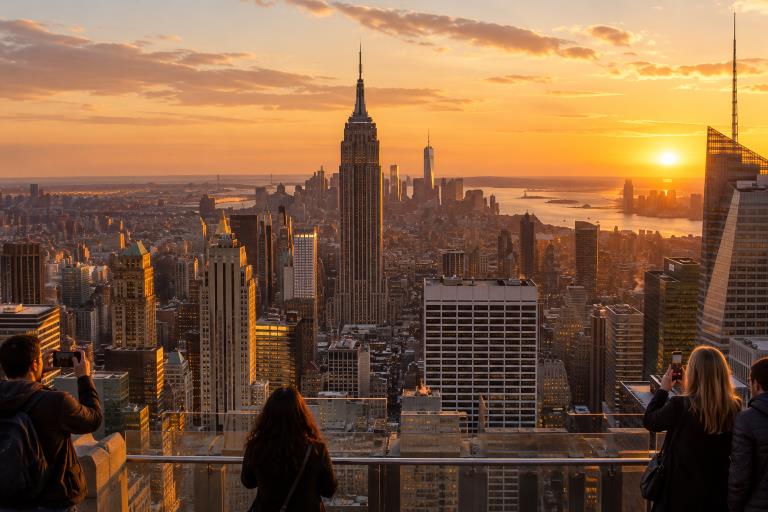
For a classic Midtown starting point, the Empire State Building combines an Art Deco landmark, immersive exhibits, and observation decks in the West 34th Street area near Herald Square, Penn Station, Koreatown, and the Garment District. As the building’s operator, it provides the most direct details on available deck experiences, entry times, and reservation options. Visitors comparing the open-air 86th Floor with the enclosed 102nd Floor can buy tickets today.
Why A Skyline Day Works In New York City
A high-level view gives visitors useful context for the city’s geography. From Midtown, it is easier to understand how Central Park, the Hudson River, Lower Manhattan, Brooklyn, and the East River relate to one another. A viewpoint also creates a natural pause between high-energy activities such as shopping, theater, museum visits, and long neighborhood walks.
Choose The Right Time For The View
Morning
Morning works well for travelers who prefer a calmer start and want the rest of the day open. On a clear day, early light can make building details and distant landmarks easier to photograph. It is also a practical choice for families who want to avoid turning a full sightseeing day into a late night.
Afternoon
Afternoon visits suit flexible schedules and visitors who want broad daylight for orientation. This can be a smart option when the morning forecast calls for clouds or rain that may improve later. Plan a nearby lunch or indoor attraction before or after the visit so the route remains efficient.
Sunset And Evening
Sunset can provide daylight, warmer color, and illuminated streets in one visit. It is often the best fit for travelers who want both daytime and nighttime photos, but it also demands the most careful scheduling. Bring an extra layer, since outdoor decks can feel cooler and windier than the sidewalk below.
Check Weather And Visibility Before Leaving
Temperature alone does not determine whether the skyline will be clear. Low clouds, rain, haze, smoke, and strong wind can all affect the experience. Use the New York area forecast to review hourly conditions and alerts before departing, then pack a compact layer that can handle changing conditions. A crisp winter day can offer excellent distance views, while a warm afternoon may look hazy.
Compare Observation Deck Experiences
Rather than looking for one universally “best” deck, match the setting to your priorities:
- For a classic city feel: Choose an open-air space where you can hear the city and photograph without shooting through glass.
- For weather protection: Look for enclosed viewing areas, especially during rain, cold, or high wind.
- For photography: Allow time to move around, avoid digital zoom, and visit outside the busiest periods if possible.
- For families: Choose a location with straightforward access, restrooms, seating nearby, and a manageable overall route.
The Empire State Building is especially useful for visitors who want both a historic setting and a choice between its open-air 86th Floor and glass-enclosed 102nd Floor experience. Check current hours, entry guidance, accessibility information, and permitted items before arrival.
Build A Midtown Route Around The View
Start with breakfast or coffee near Herald Square or Koreatown, then give yourself extra time for subway entrances, crosswalks, and security procedures. After your view, walk toward Bryant Park and the New York Public Library, continue toward Fifth Avenue or Rockefeller Center, or head west toward Hudson Yards and Chelsea.
For a different perspective on another day, Lower Manhattan now has Centre 360, a public viewing experience in the David N. Dinkins Municipal Building near City Hall. The Centre 360 visitor information outlines its reservation-based access and Lower Manhattan setting, making it a useful addition for travelers exploring Civic Center, the Brooklyn Bridge, or the waterfront.
During late spring and mid-summer, skyline planners may also want to watch for Manhattanhenge, when the setting sun aligns with Manhattan’s east-west street grid. Arrive early, expect crowds at popular cross streets, and treat the event as a street-level photo stop rather than a reason to overfill the day.
Use Simple Tips For Better Skyline Photos
- Clean your phone lens before entering the viewing area.
- Use a wide frame for the overall skyline and a standard frame for buildings or people.
- Tap the brightest portion of the sky before photographing a sunset scene.
- Add a railing, river, avenue, or nearby building to create depth.
- At night, brace your phone against a safe, permitted surface instead of using flash.
Create A Rainy-Day Backup Plan
Do not build the entire day around one outdoor view. Keep a museum, gallery, historic building, or covered shopping stop within easy reach of your route. Reserve an indoor lunch when possible, check transit conditions during heavy rain, and review the attraction’s change policy before making a last-minute decision.
Sample Skyline Day Itinerary
- 9:00 a.m.: Breakfast near Herald Square or Koreatown.
- 10:30 a.m.: Visit a Midtown observation deck or landmark.
- 12:00 p.m.: Walk through Bryant Park or the Garment District.
- 1:00 p.m.: Have lunch close to the next stop.
- 2:30 p.m.: Visit an indoor exhibit, museum, or historic site.
- 4:30 p.m.: Take a break and reassess evening weather.
- Sunset: Return to a viewpoint or choose a street-level skyline location.
- Evening: Finish with dinner, theater, or a well-lit neighborhood walk.
Common Questions About Planning A Skyline Day
What Is The Best Time For Skyline Photos?
Morning can mean softer light and a less crowded atmosphere. Sunset offers color and city lights. Choose based on the forecast, season, and the type of images you want.
Is A Skyline Visit Worthwhile In Winter?
Yes, particularly on a clear day. Dress for wind, remember that daylight ends earlier, and choose an enclosed option if your group is sensitive to cold.
How Much Time Should I Allow?
Allow at least 90 minutes for entry, elevators, exhibits, viewing time, and photographs. Add more time if visiting near sunset or traveling with children.
Conclusion
A memorable New York City skyline day is less about rushing through landmarks and more about making good choices around light, weather, and location. Start with a clear plan, stay flexible, and pair your view with the restaurants, parks, and indoor stops that make Midtown feel like part of the experience.