Key Takeaways
- Get out of immediate danger if moving will not make an injury worse.
- Call 911 when there is a serious injury, a motor vehicle collision, a hit-and-run, or an urgent safety threat.
- Seek medical attention promptly, even if symptoms seem manageable at the scene.
- Photograph the scooter, roadway, vehicles, injuries, hazards, and surrounding traffic controls.
- Save rental-app records, trip details, receipts, photos, videos, and witness contact information.
- Keep damaged equipment, clothing, medical records, bills, and communications related to the crash.
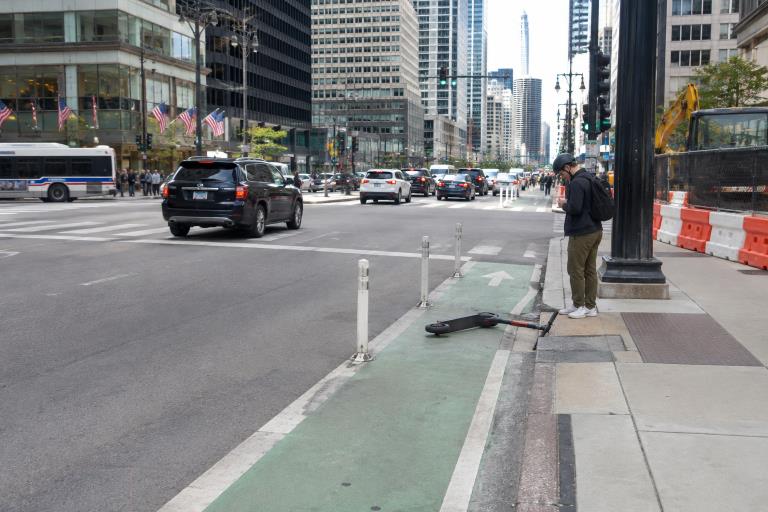
An e-scooter crash can turn an ordinary Chicago trip into a stressful situation within seconds. Whether it happens near a busy Loop intersection, on a protected bike lane, beside construction, or along a neighborhood street with uneven pavement, the priorities are safety and medical care. People facing injury, insurance, or documentation questions may also wish to speak with a scooter accident Lawyer in Chicago after addressing immediate health and safety needs. Adrenaline can make injuries seem less serious than they are, and important details can quickly disappear as vehicles move, the weather changes, or a rental scooter is collected. A calm, organized response can help preserve information about what happened while allowing the injured person to focus on recovery.
Why The First Few Minutes Matter
After a fall or collision, it can be difficult to think clearly. A rider may initially believe they are fine, then later notice wrist pain, dizziness, a headache, or swelling. In Chicago, where traffic can remain heavy and weather can create slick, dark, or obstructed conditions, quickly reaching a safe position and documenting the scene can be particularly important. Follow directions from police, paramedics, and medical professionals at all times.
Step One: Check For Immediate Danger
Look for traffic, fire, damaged batteries, leaking fluids, downed wires, or other hazards. If it is safe to walk, move out of the travel lane and ask a bystander to alert approaching drivers. Do not move someone who may have a head, neck, back, or spinal injury unless remaining where they are presents a greater danger. Call 911 for heavy bleeding, trouble breathing, loss of consciousness, confusion, severe pain, numbness, weakness, suspected spinal injury, or a crash involving a vehicle. If a driver leaves the scene, try to note the vehicle’s direction of travel, description, and license plate number without putting yourself at further risk.
Step Two: Get Medical Care Promptly
A medical evaluation provides an opportunity to identify injuries that may not be immediately apparent after a crash. E-scooter incidents can involve road rash, fractures, facial injuries, cuts, internal injuries, and concussions. Medical professionals identify headache, vomiting, vision changes, and abdominal bruising as possible warning signs that deserve prompt attention after an e-scooter or e-bike incident.
Symptoms That May Require Urgent Care
- A worsening headache, confusion, unusual sleepiness, or vomiting
- Changes in vision, balance, speech, or behavior
- Severe swelling, deformity, weakness, or inability to move a limb
- Chest pain, breathing trouble, abdominal pain, or extensive bruising
- Persistent bleeding, deep cuts, or signs that a wound may need treatment
Step Three: Report The Crash
Police involvement may be useful when someone is injured, a vehicle is involved, property is damaged, the facts are disputed, or the crash involves a dangerous roadway condition. If officers respond, ask for the report number and, if possible, note the responding officer’s name. If the scooter was rented, report the incident through the provider’s app or customer-service process. Save confirmation screens and correspondence. An app report may be useful, but it does not replace a police report, medical record, or the evidence you preserve yourself.
Step Four: Photograph The Scene Before Details Change
Use your phone to take wide shots and close-ups. Photograph the scooter from several angles, including its brakes, tires, handlebars, lights, throttle, and any visible damage. Capture the roadway or sidewalk, bike lane markings, intersection layout, signals, signs, construction barriers, debris, potholes, standing water, poor lighting, and anything else that may have affected the crash. If another vehicle was involved, photograph its license plate, position, and visible damage. Also document your injuries, torn clothing, damaged helmet, broken personal items, skid marks, and detached scooter parts before they are moved whenever possible.
Step Five: Preserve Digital And Physical Evidence
- Screenshot the rental session, route, start and end times, ride receipt, scooter number, and error messages.
- Save original photos and videos from phones, dashcams, helmet cameras, or other devices.
- Ask nearby businesses, residences, or building managers whether cameras may have recorded the area.
- Keep the helmet, clothing, personal property, and broken parts in their post-crash condition when practical.
- Avoid repairing, discarding, or altering important items before they have been photographed.
Step Six: Collect Witness And Driver Information
Ask witnesses for their names and phone numbers, and write down what they observed in plain language. For a driver, obtain the name, contact details, insurance information, vehicle description, and license plate number. Also record the scooter provider, scooter identification number, officer information, and names of businesses that may have video footage. Avoid arguments or guesses about fault, speed, distance, or what another person was thinking. Stick to observable facts, such as where you were traveling, what you saw, and what happened immediately before the impact or fall.
Who Or What May Have Contributed?
Responsibility depends on the evidence. Possible contributing factors can include a driver who did not yield, another rider or pedestrian entering the travel path, a malfunctioning scooter component, poor lighting, debris, damaged pavement, confusing traffic controls, or an unsafe construction area. General discussions of e-scooter accident insurance questions also recognize that claims may involve drivers, scooter companies, property owners, or public entities depending on the circumstances.
Insurance Questions And Common Mistakes
Coverage can depend on the people, policies, vehicles, businesses, and facts involved. Keep every claim number, letter, email, bill, receipt, and payment record. Do not assume a rental agreement answers every coverage question, and be cautious about accepting payment before the medical picture is clear. Common mistakes include leaving without basic information, delaying medical care, deleting rental-app data, throwing away a damaged helmet, posting detailed crash accounts online, giving a recorded statement before reviewing the facts, and missing follow-up appointments. None of these actions automatically decides a case, but they can make it harder to reconstruct what happened.
What To Document In The Days After The Crash
- Medical appointments, imaging, prescriptions, therapy, and follow-up recommendations
- Out-of-pocket costs, transportation expenses, and damaged property
- Missed work, reduced hours, or changes in work duties
- Pain levels, sleep problems, mobility limitations, and changes in symptoms
- Communications from insurers, scooter providers, drivers, witnesses, or government agencies
Final Checklist
After a Chicago e-scooter crash, prioritize safety and call for emergency assistance if anyone is seriously injured or the scene is unsafe. Seek medical care promptly, even if your injuries initially seem minor, and report the crash to the appropriate authorities when necessary. If it is safe to do so, photograph the scene, the scooter, nearby vehicles, road conditions, traffic signs, and any visible injuries. Collect witness names and contact information, and save digital records, including messages, trip details, receipts, and relevant app data. Preserve damaged clothing, helmets, and other personal items that may help document what happened. Keep copies of medical records, treatment instructions, bills, transportation costs, and any missed-work documentation. These practical steps cannot undo a Chicago e-scooter crash. Still, they can help organize the recovery process, create a clearer record of the incident, and preserve information that may be useful when discussing insurance, expenses, or possible legal options.