A bathroom remodel should do more than refresh finishes. In Walnut Creek, California, a well-planned update can make everyday routines more comfortable, improve cleaning and storage, and address water-related concerns before they become larger repairs. The best plans start with how the room is actually used, not simply with a favorite tile color or fixture style.
For homeowners considering a bathroom remodel Walnut Creek, Rose Remodeling is a family-owned Northern California remodeler with more than 25 years of industry experience focused on wet-area improvements. Its Walnut Creek service page covers shower and bathtub replacements, tub-to-shower conversions, walk-in tubs, wall systems, and accessories for homeowners throughout Walnut Creek and the surrounding East Bay.
Why Bathroom Planning Matters More Than Style Alone
A bathroom needs to support movement, grooming, bathing, storage, and cleaning every day. A visually appealing room can still be frustrating if the entry feels tight, the vanity blocks a walking path, the light is poorly placed, or storage is difficult to reach. Planning around real routines helps homeowners make choices that remain useful long after a trend changes.
Before selecting finishes, consider who uses the bathroom, when it is busiest, and which tasks create the most inconvenience. That approach can reveal whether the real priority is a safer shower entry, brighter lighting, more usable counter space, or a less demanding surface material.
Start With a Clear Review of the Existing Bathroom
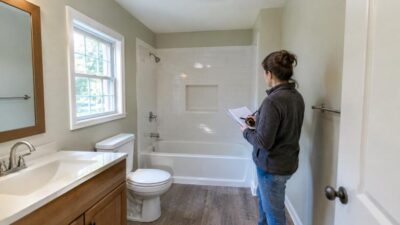
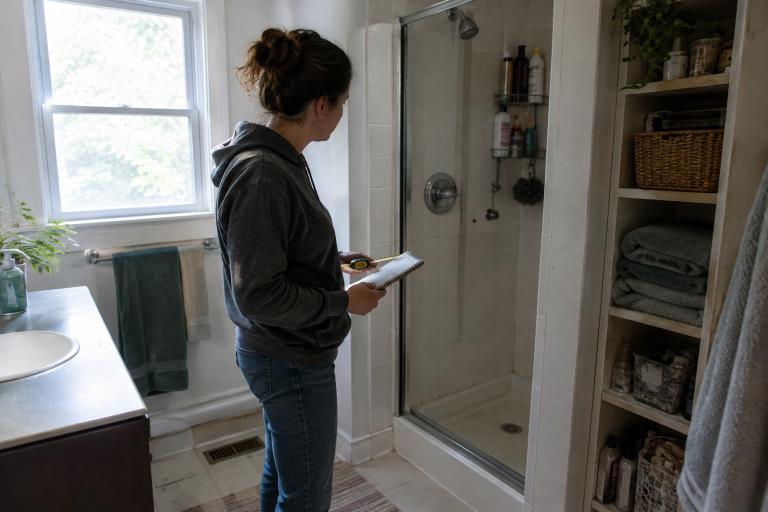
A simple room review gives a remodeling conversation useful direction. Take measurements, photographs, and notes before meeting with a contractor.
- Measure the room, door swing, vanity depth, shower or tub footprint, and open walking paths.
- Look for cracked tile, peeling paint, loose flooring, staining, persistent mildew, or signs of water damage.
- Write down daily frustrations, such as a high tub wall, dim mirror lighting, inadequate shelving, or a noisy fan.
- Separate urgent repairs from upgrades that would improve convenience or appearance.
This review also helps clarify what should remain in place. Keeping plumbing in a similar location can simplify a project, while moving fixtures may require additional planning for pipes, electrical work, permits, and wall repairs.
Choose Features That Support Long-Term Use
Long-term bathroom design does not have to look clinical. Many practical features can blend into a polished, modern room while making bathing and cleaning easier for people with changing needs.
- Low-threshold or curbless shower entries for easier step-in access.
- Handheld showerheads on adjustable mounts for flexibility.
- Built-in benches or fold-down seats for seated showering.
- Grab bars planned with secure wall blocking behind the finished surface.
- Slip-resistant flooring and well-positioned lighting.
- Cabinet pulls, faucets, and storage that are comfortable to operate.
Even if grab bars are not needed today, adding blocking during a wall opening can make future installation more straightforward. Clear illumination near the vanity, shower entry, and toilet is another practical improvement that benefits every household member.
Plan for Moisture Control Before Choosing Finishes
Bathrooms regularly produce moisture, so ventilation and water management should be addressed before decorative decisions are finalized. The EPA’s bathroom remodeling guidance recommends confirming that a bathroom fan works properly and exhausts directly outdoors rather than into an attic or another interior space.
Check for condensation that lingers on mirrors, ceilings, or walls after bathing. Ask whether the fan will have a timer or humidity-sensing control, and ensure wet-wall transitions, plumbing penetrations, and flooring edges are properly sealed. Moisture-resistant materials and careful installation work together to protect the surfaces behind a shower or tub.
Compare Tub, Shower, and Conversion Options
The right wet-area layout depends on household routines, available space, mobility needs, and future plans for the home.
- Keep the tub when young children, bathing preferences, or household routines make it valuable.
- Replace the tub when the existing unit is worn, difficult to clean, stained, or cracked.
- Convert a tub to a shower when step-in convenience and faster daily use matter more than soaking.
- Consider a walk-in tub when seated bathing and controlled entry are central priorities.
A tub-to-shower conversion can improve daily access, but homeowners should consider whether retaining at least one bathtub elsewhere in the home fits their household and resale goals. A contractor can also confirm whether the desired enclosure and drain arrangement fit the existing space.
Consider Materials and Cleaning Needs
Material choices affect the time required to keep a bathroom looking clean. Small-format tile creates many grout lines, while larger panels and low-seam surrounds can reduce the number of joints to maintain. Texture may improve traction underfoot, but very rough surfaces can hold soap residue more easily than smoother finishes.
Choose colors and patterns with normal household upkeep in mind. For example, a homeowner who rarely uses a bathtub may get more value from an uncomplicated shower with accessible shelving than from decorative details that add cleaning work without improving daily use.
Build a Practical Remodeling Budget
A complete budget should account for demolition, disposal, plumbing, electrical updates, lighting, ventilation, flooring, wall materials, fixtures, doors, accessories, permits, and inspections. It should also include a contingency reserve for conditions discovered after existing surfaces are opened, such as water damage, uneven framing, old wiring, or plumbing changes.
Compare written scopes of work, not just bottom-line prices. A clear scope identifies the materials, labor, cleanup, warranty terms, and responsibilities included in the project.
How to Evaluate a Bathroom Remodeling Contractor
- Confirm licensing, insurance, and experience with the type of bathroom work planned.
- Ask who will manage the project and perform the installation.
- Request written details on materials, demolition, cleanup, warranty coverage, and timeline.
- Ask how hidden damage and change orders will be documented and approved.
- Review recent project examples and customer feedback.
- Discuss how nearby rooms will be protected during demolition and installation.
Questions to Ask Before Signing a Contract
- What parts of the existing bathroom will remain?
- Will the new tub or shower work with the current plumbing layout?
- How will ventilation be evaluated and improved if needed?
- Who handles permits, inspections, and cleanup?
- How long will the bathroom be unavailable?
- What care will the completed surfaces require?
Common Bathroom Remodeling Mistakes to Avoid
Avoid choosing finishes before confirming the layout, overlooking storage, delaying ventilation decisions, or accepting a vague estimate. Also avoid selecting slippery floor surfaces for a frequently wet room or skipping wall blocking for potential future grab bars. Practical planning protects the budget and helps the finished bathroom serve the household longer.
A Simple Planning Checklist
- List the room’s biggest daily problems.
- Choose a preferred wet-area layout.
- Set a realistic budget range and contingency.
- Prioritize safety, cleaning, storage, and style.
- Compare qualified professionals and written scopes.
- Review the final plan before work begins.
Design the Bathroom Around Real Life
A successful Walnut Creek bathroom remodel makes daily routines simpler, safer, and easier to maintain. Style remains important, but the most lasting value often comes from a sound layout, reliable moisture control, accessible features, and materials that suit the way the household lives.