Getting ready for a roof repair visit is mostly a matter of access and communication. A few practical arrangements can help the contractor understand the problem and let the crew work without asking the homeowner to move cars, find keys, or clear a room at the last minute.
Preparation should match the actual job. A small repair and a larger project may need different arrangements, so start by asking the contractor what the planned visit involves.
Collect useful information about the problem
Write down what first drew attention to the roof. That might be a ceiling stain, a drip during rain, or a loose piece noticed from the yard. Include when it appeared and whether it changes with the weather.
Photographs from the ground or an accessible interior room can help explain those observations. Keep earlier pictures if they show how a stain has changed. There is no need to climb onto the roof to provide a closer view; the contractor can assess the roof during the visit.
Gather any previous repair information that is readily available. A date, invoice, or description of earlier work may help the contractor understand the history. The aim is to share observations, not to decide which component needs repair before the inspection.
Confirm what will happen during the visit
Ask whether the appointment is for an assessment, an agreed repair, or both. Confirm the expected arrival window, the contact person, and whether the homeowner needs to be present.
When discussing roof repair from The Orlando Roofing Company, describe the symptoms and ask what access the team expects to need. Knowing whether the crew may need to see an interior ceiling or attic entrance helps the household prepare the right areas.
Ask how updates will be shared if weather affects the appointment. Keep a useful phone number with the booking information so changes can be discussed without searching through old messages. If someone other than the homeowner will meet the crew, introduce that person in advance.
Agree on parking and outdoor access
Check where the work vehicles and any materials will go. Ask how much driveway space the contractor needs rather than relying on a fixed distance that may not suit the property.
Move the household vehicles as agreed before the crew arrives. Discuss shared driveways, narrow access, or parking restrictions early enough for the contractor to plan around them. Let neighbors know about arrangements that directly affect their access.
Walk the route from the parking area to the agreed entry points. Put away toys, hoses, and movable furniture that would obstruct that route. Tell the crew about gates, locks, or outdoor features that are easy to miss. Ask how gates should be managed during the work, especially if pets normally use the yard.
Discuss how the yard will be protected
Point out planting beds, outdoor equipment, and items near the planned work area. Ask which objects should be moved and what protection the contractor will provide.
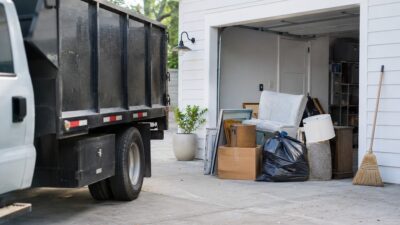
Do not assume every repair involves the same amount of material removal. Ask where debris will be collected and whether a trailer or other container is expected. That discussion helps avoid clearing an unnecessarily large area or placing belongings where materials will be handled.
If a heavy planter or another item is difficult to move, tell the contractor before the visit. Agreeing on an alternative is more useful than trying to rearrange the yard while the crew is waiting.
Prepare any interior areas the crew needs
If interior access is requested, clear a practical route to the room or attic entrance. Move personal belongings away from the area the contractor needs to inspect. Leave attic access and roof assessment to the team rather than entering a difficult space to prepare it.
Ask whether stored items or furnishings need covering for the planned work. The answer may depend on the location and extent of the repair. Make those arrangements in the areas identified by the contractor instead of assuming every room will be affected.
Mention fragile objects or existing interior damage that the crew should know about. Showing the contractor the ceiling mark before work begins also gives both parties a common reference for the concern being addressed.
Plan for pets and household routines
Repair noise and unfamiliar visitors can interrupt a normal day. Choose an indoor space for pets away from the access route, and tell the crew which doors need to remain closed.
Let household members know the arrival window and which parts of the property will be in use. Arrange a quieter place for calls or other activities if the planned work is likely to be disruptive.
If the homeowner will be away, confirm who can answer questions. Discuss how any proposed change in work will be communicated before a decision is needed. A clear contact plan is useful even for a short visit.
Keep a short final checklist
Before arrival, confirm that the agreed parking space is available, access routes are clear, pets are settled, and the main contact can be reached. Have the photos and repair history ready to share.
Ask what the crew will review with the homeowner when the visit is complete, including the work performed and any follow-up information. With those details organized, preparation stays manageable and the contractor can focus on the roof.