Key Takeaways
- Keep the existing layout when it meets your needs and plumbing changes are unnecessary.
- Plan for ventilation, waterproofing, and possible hidden repairs.
- Choose surfaces that suit the household’s cleaning routine and bathing habits.
- Reserve part of the budget for issues discovered after demolition.
- Consider future comfort needs while walls are open and changes are easier to make.
A well-planned bath remodel begins with the condition of the room, not just the appearance of a new tub. Measure carefully, identify moisture concerns, prioritize safety, and get a detailed written scope before work starts.
A tub update can improve comfort, cleaning, and daily safety, but it also affects plumbing, walls, flooring, ventilation, and the room’s usable space. Focusing on function before finishes helps prevent attractive upgrades from hiding unresolved problems.
Why Careful Planning Matters
Bathrooms receive frequent water exposure, so a worn tub surround, a failed caulk line, a slow drain, or a soft floor deserves attention before new surfaces are selected. For example, a homeowner may choose a new tub based on color, only to find stained framing or weakened subflooring after the old unit is removed. Addressing those conditions first supports a more durable result.
Inspecting the Existing Bathroom
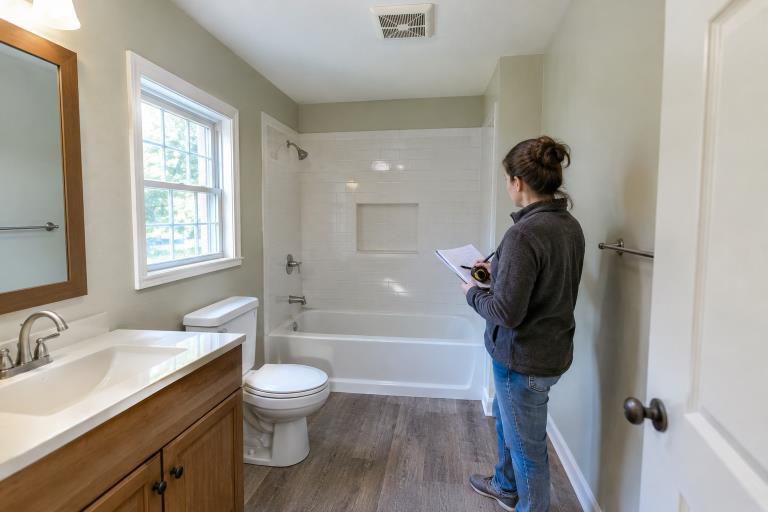
Complete a basic inspection before requesting estimates. Measure the tub opening from finished wall to finished wall, then note the drain location, supply lines, window placement, outlets, shelves, and door swing. Photograph the room and any visible concerns.
- Look for cracked surfaces, loose caulk, peeling paint, stains, or musty odors.
- Check whether the floor feels solid near the tub when you shift your weight.
- Run the faucet and drain to watch for slow drainage or drips.
- Confirm that the exhaust fan operates and vents air outdoors.
Surface damage is easy to spot, but moisture damage can sit behind wall panels, trim, or flooring. Clear photos and measurements also give contractors a better starting point for preparing estimates.
Setting Useful Project Goals
Define what the project must accomplish before comparing finishes. Separate your list into must-haves, such as leak repair or easier entry; would-likes, such as upgraded fixtures; and items that can wait, such as decorative changes elsewhere in the room. This approach limits budget drift and makes competing estimates easier to compare.
Safety Features to Consider
Safety choices should reflect the people who use the bathroom. Slip-resistant flooring, brighter lighting, reachable controls, sturdy handholds, and a lower tub threshold may be useful in different households. If future grab bars may be helpful, ask about reinforcing the wall framing while it is accessible.
Commercial and public projects can have formal accessibility obligations, while a private home plan is shaped by household needs and local requirements. Still, accessibility during bathroom alterations offers a useful reminder that remodeling can create practical opportunities to improve usability.
Choosing Durable Materials
Choose materials based on cleaning habits, water conditions, comfort, and repair expectations, rather than appearance alone. The following comparison can help narrow the options.
| Material | Strengths | Care Considerations |
| Acrylic or fiberglass | Lightweight, smooth, common for tub systems | Avoid abrasive cleaners that can dull surfaces |
| Porcelain-coated metal | Hard, traditional finish | Chips should be repaired to help prevent rust |
| Solid-surface panels | Few seams and easy-to-clean wall coverage | Follow manufacturer cleaning guidance |
| Tile | Flexible design and localized repairs | Grout and joints need regular cleaning and inspection |
A busy household may prioritize smooth wall panels and simple cleaning. Someone who takes long baths may care more about tub depth, back support, and the feel of the bathing surface.
Ventilation and Moisture Control
A new tub will not correct excess humidity or a plumbing leak. Steam and standing water can damage paint, trim, cabinetry, drywall, and framing when they cannot dry properly. The EPA’s remodeling moisture and indoor air guidance recommends addressing moisture issues and inadequate ventilation during renovation work.
- Use the exhaust fan during bathing and after the room is used.
- Wipe standing water from corners, joints, and ledges.
- Repair drips, cracked seals, and loose caulk promptly.
- Watch for recurring stains, persistent odors, or peeling paint.
Creating a Realistic Budget
Budget for more than the visible tub and fixtures. Include demolition, disposal, plumbing, wall preparation, waterproofing, flooring, ventilation work, permits when required, labor, cleanup, and possible repairs behind finished surfaces. Set aside contingency funds for rot, damaged plumbing, outdated wiring, or subfloor repairs found after removal.
Ask for written estimates that distinguish fixed work from allowances. An allowance is a placeholder amount for an item that has not been selected or priced precisely, so it can change the final total.
Hiring and Managing a Contractor
Compare clear answers, not price alone. Ask who handles demolition and debris, plumbing, permits, dust protection, cleanup, warranties, and unexpected damage. Also ask how long the bathroom may be unavailable and who your main point of contact will be. A detailed scope should identify materials, installation steps, payment terms, and exclusions.
Preparing for the Work
Most projects move through measurement and design, material ordering, site protection, demolition, inspection of concealed areas, installation, sealing, testing, and a final walkthrough. Schedules can change if materials arrive late or hidden damage requires repair. Move medications, toiletries, towels, and daily essentials before work begins, and plan for temporary bathroom access if needed.
Pre-Project Checklist
- Measure the tub area, nearby walls, and door clearance.
- Photograph the existing room and visible problem areas.
- List safety, comfort, cleaning, and design priorities.
- Check the fan, plumbing, floor condition, and drainage.
- Set a working budget with a contingency amount.
- Request detailed written estimates and confirm cleanup duties.
- Review completed work before making final payment.
Final Thoughts
The strongest tub updates balance appearance with comfort, moisture control, safety, and realistic planning. Accurate measurements, durable materials, clear priorities, and a written scope reduce avoidable surprises. When the project accounts for both current routines and possible future needs, the finished bathroom can remain practical long after the new surfaces are installed.