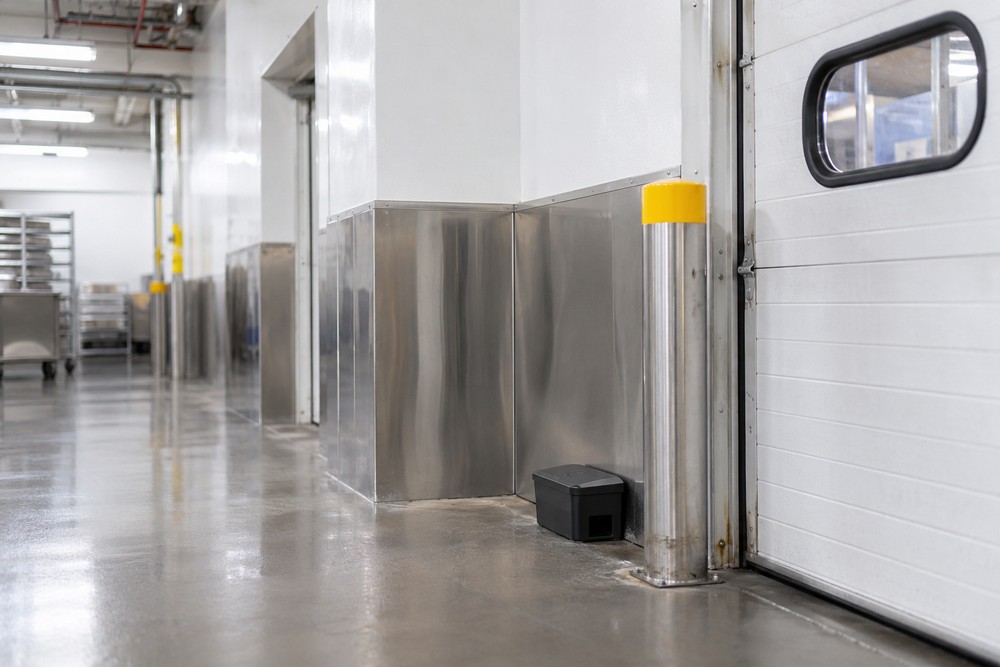
A single rodent dropping on a pallet can shut your line down for a day, and the auditor won’t care that it happened at 2am on a Tuesday. That’s the reality of running a food processing facility in New York. You’re not shopping for a guy with a sprayer. You’re hiring a partner who has to survive the same scrutiny you do.
Here’s what most facility managers get wrong: they compare quotes on price per visit and treat pest control like janitorial service. Then an FDA inspector asks for the pest control provider’s service records, and the paperwork is a mess. Or the tech shows up without knowing what a harborage point is in a warehouse full of pallets. The cheap contract just became the expensive one.
So how do you actually pick? You start by understanding what these companies do differently at the food-grade level, which is why a specialized provider like Food Processing Plant Pest Control New York exists in the first place. General residential outfits and food-safety specialists are not the same animal, and the gap shows up during audits, not sales calls.
What separates a food-grade provider from a general exterminator
A residential pest company kills what it sees. A food processing provider has to prove what it prevented, where, and when, in a format an auditor can follow. That means documented monitoring, trend reports, and a service log that maps every device to a numbered location on your facility map.
The NPMA standards are written specifically for food processing and handling facilities, and they’re the clearest benchmark you can hand a prospective vendor. Ask each company to show how their program lines up with them. The ones that stumble don’t work in this sector often enough.
My take: if a provider can’t explain the difference between a pheromone monitor and a mechanical trap without checking a manual, keep looking. You want the person who’s walked a flour-dusted mill floor before.
Can they handle a New York facility’s specific pressures?
New York adds its own wrinkles. Older industrial buildings in boroughs and upstate cities come with gaps, shared walls, and loading docks that open onto alleys. Rodent pressure in dense urban areas runs higher than in a rural plant surrounded by fields, and you need a provider who plans for that instead of reacting to it.
Cornell’s IPM guidance for packing houses and storage areas is a good read before you interview anyone, because it lays out how pests move through stored product environments. A vendor who already knows this material will speak your language in the first meeting.
Ask about their local footprint too. A company with techs who live 20 minutes from your plant can respond to a hot spot the same day. One dispatching from three hours away will tell you they’ll be there “as soon as possible,” and you’ll find out what that means at the worst moment.
The vetting checklist I’d actually use
Run every candidate through this before you sign anything. It takes about an hour per company and saves months of headaches.
- Licensing and insurance. Verify the New York State pesticide applicator license for every tech who’ll touch your site, not just the owner.
- Food sector references. Ask for two facilities similar to yours in size and product type. Call them and ask what happens when a corrective action is due.
- Documentation samples. Request a redacted service report and a trend summary. If it’s a handwritten log, that’s your answer.
- Scope of work. The contract should name device counts, service frequency, monitoring methods, and who owns corrective actions.
- Audit support. Confirm they’ll attend inspections or provide records on demand, and get that in writing.
- Communication protocol. Know who you call at 3am and how fast they commit to responding.
The EPA’s guidance on choosing a pest control company is worth ten minutes of your time before the first interview, because it frames the questions in plain terms. Use it to build your list, then push each vendor past the basics.
Red flags that should end the conversation
Vague answers about recordkeeping. A sales rep who can’t name the products they’d use. Reluctance to put response times in the contract. Any pitch that leans on “we’ve never had a problem at a plant like yours,” because that’s a claim, not a plan.
And watch for the company that quotes fast and low without walking your facility first. A real provider wants to see the loading dock, the compactor area, and the gaps under your receiving doors before they put a number on paper. If they skip the walkthrough, they’re guessing, and you’ll pay for the guess.
What a good partnership looks like after signing
The best programs I’ve seen run on a simple rhythm: monthly service, quarterly trend review, and a standing corrective action log that both sides update. Your provider should flag a rising rodent count before it becomes a finding, not after.
Treat them as part of your food safety team. Give them your sanitation schedule and your audit calendar. The companies that do their best work are the ones invited into the planning, not just called when something’s already gone wrong.
So before your next contract renewal, pull out the current agreement and ask one question: does this document actually protect my facility, or does it just protect the vendor? If you can’t answer that with confidence, it’s time to start the interviews again.