Start With a Clear Map: Baseline and Risk Profile
Genuine safety starts with a brutally honest view of work. Shadow troops during peak and everyday activities. Capture evolving tasks, variants, and shortcuts. Map your whole process and discover energy, motion, chemicals, and pressures that potentially endanger humans. Simple risk tools like likelihood versus severity matrices can help organize priorities. Match each risk with the persons exposed, the frequency, and the near miss-to-injury scenario. This baseline guides all subsequent investments, policies, and training.
Design Controls That Fit the Work
Non-workflow-compatible controls collect dust. Apply control hierarchy. Try to eliminate dangers. If eradication is impossible, use safer materials or processes. Build guards, obstacles, and ventilation. Permits, rotations, and checklists are administrative controls. PPE should be issued last and tailored to the task and user. Run tiny pilots to ensure controls don’t impede the job or introduce new dangers. Frontline workers trust and use controls more when they co-design them.
Make Air and Environment Your Allies
The workplace is a quiet safety partner. Good air, light, noise, and temperature prevent weariness and errors. Local exhaust ventilation is essential for dust, fume, and vapor-generating facilities. Maintain duct integrity, fit hoods close to the source, and verify capture velocities regularly. Record results, corrective measures, and retest dates to avoid errors. Combine LEV with ventilation, filtration, and housekeeping. The objective is straightforward. Every shift, people should breathe and see well.
Train for Memory and Muscle, Not Just Certificates
Training goes beyond slides. Create right reflexes under pressure. Mix hands-on drills with short microlearning. Use work hazard analysis at the start of tasks to encourage risk and control scanning. Mentorship and witnessed practice are needed for new hires. Veteran refreshers must reflect real equipment, material, or procedure modifications. Each class ends with a practical demonstration, not an exam. A trainer has succeeded if they can safely shut down equipment.
Build Feedback Loops and Meaningful Metrics
What you measure affects behavior. Track lagging indications like recordable injuries, but continue. Use leading indications to balance. Completed pre-task briefings, near misses, corrective actions, on-time inspections, equipment maintenance compliance, and incident investigation quality. Keep dashboards basic. Two minutes should reveal areas of need. Weekly meetings to analyze signals and assign owners. When the system detects faults early, surprises decrease and resilience increases.
Empower People and Culture
Culture doesn’t post. People’s decisions in private. Build trust that reporting hazards or near misses won’t result in blame. Separate learning from discipline. Set clear limits for hazardous behavior, and all else becomes coaching. Invite staff to risk reviews, equipment selections, and process changes. Recognize teams that take breaks under changing conditions. Leadership must demonstrate the behaviors they demand, from wearing eye protection to halting work when alarms are unnecessary. Tell stories of how pausing stopped harm to propagate culture.
Plan for the Worst, Practice for the Everyday
Emergencies are loud and rapid. Plans should be quiet and straightforward. Find credible worst-case scenarios. Fire, chemical leak, medical emergencies, power outage, or harsh weather. Establish responsibilities, communication, and rally spots. Stock and maintain reaction gear. Practice brief, realistic drills. After drills, debrief. Which worked, broke, and needed fixing before the following shift. Small rehearsals create muscle memory, making the real thing feel like previous practice.
Manage Change and Contractors
Incidents adore change. Risk patterns change with new equipment, layouts, materials, software, and crew. Simple change management identifies these shifts before they bite. Describe the change, evaluate new hazards, update procedures and training, and test field controls. Contractors require employee parity. Prequalify vendors for safety, train them on site rules, and discuss toolboxes. Use permits that require both parties to check isolation, hot work screens, gas testing, and confined space rescue for high-risk work.
Use Technology Wisely
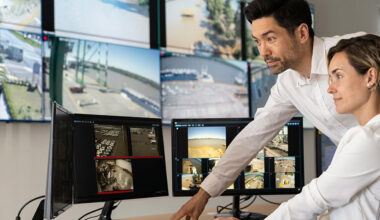
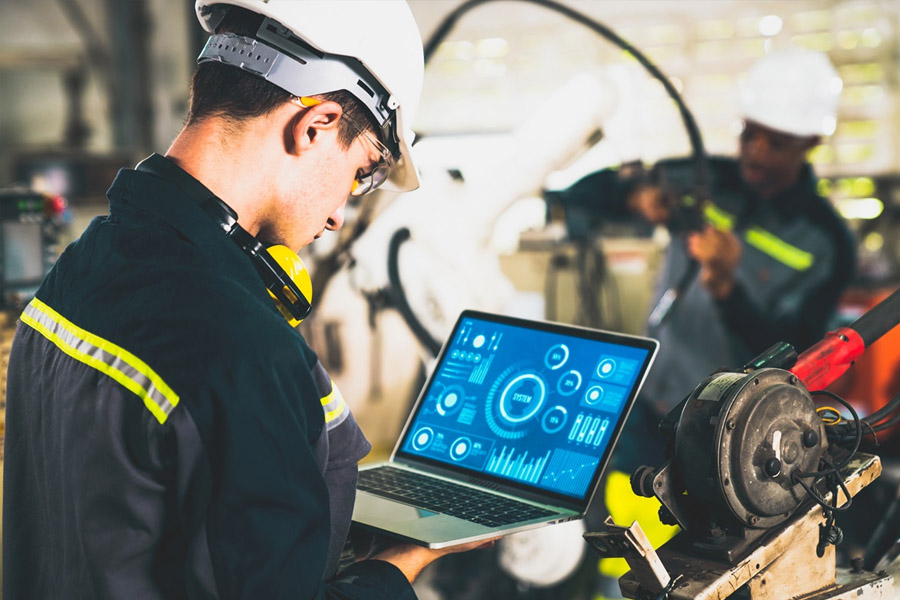
Good technology enhances judgment. A wearable can detect heat stress or excessive vibration. Real-time sensors monitor air and equipment health. Digital permits streamline approvals and prevent errors. Traffic cameras automate near miss detection. Start with your largest risks and use workflow-integrated tools. Start small, track value, then increase when benefits are obvious. Technology should ease decisions, not overwhelm teams with data.
Make Ergonomics and Fatigue Nonnegotiable
Strains, sprains, and slips exist. Redesign tasks to keep loads close to the body, reduce reaches and twists, and use support devices for heavy or awkward goods. Limit lifts and encourage team lifts as needed. Manage shifts to reduce tiredness. Provide breaks, rotate difficult activities, and establish calm recovery zones. Ergonomics improvements reduce injuries and boost productivity.
Strengthen Investigation and Learning
When something goes wrong, examine the system, not the person. Map various contributing aspects using 5 Whys or fishbone diagrams. Environment, procedures, supervision, training, and workload often conflict with equipment design. Document findings, assign owners, and check completion. Share your findings with other teams to avoid repeating mistakes. Not to find a criminal. To reduce the likelihood and severity of the next event.
Tie Safety to Procurement and Finance
Safety begins with purchases. Incorporate safety into procurement. Selecting machine guards, interlocks, noise levels, dust control, and maintenance access should be a priority. Consider safety investments capacity investments in finance. Reduce incidents, downtime, turnover, and insurance costs to show the payback. When safety is in the business case, it becomes a performance driver, not a budget target.
Commit to Continuous Care and Calibration
Untuned safety systems wander. Guards, alarms, eyewash stations, and emergency lights need regular checks. Sensor and meter calibration. Maintain an asset register that ties maintenance to risky equipment. Update processes twice a year for tool, staffing, and regulatory changes. Update training as tasks change. Regular oil maintenance prevents safety engine seizing.
FAQ
What is the hierarchy of controls and why does it matter?
The hierarchy of controls ranks risk-reduction methods by reliability. Remove the hazard, replace it, engineer physical controls, add administrative measures, and utilize PPE last. Start with higher-level controls to establish protection that doesn’t require faultless human conduct.
How often should local exhaust ventilation be tested?
LEV systems should be inspected and tested regularly based on danger, usage, and manufacturer recommendations. Quarterly checkups and an annual test that records capture velocities and system performance benefit high-use or harmful pollutants systems. Check effectiveness immediately after repairs or adjustments.
What are strong leading indicators of safety performance?
Look for proactive measures. Near miss reports with quality detail, corrective action closure rate, preventive maintenance compliance, training completion with hands-on verification, pre-task briefings, and audit findings addressed on time. These warning signs let you prepare before injuries.
How do we promote reporting without blame?
Set explicit standards to distinguish recklessness from human mistake. Guarantee that reporting risks, near calls, or small mistakes will not result in punishment. Fix problems and share results to show that speaking out changes things. Leaders who thank reporters and respond fast build trust.
What is the best way to start with limited resources?
Choose the top three seriously harmful threats from a targeted risk map. Cleanliness, visible standards, checklists, and brief toolbox lectures are low-cost, high-impact controls. Maintain vital equipment and ventilation. Build habits first, then technology and programs as savings and momentum grow.
How can small teams keep training effective over time?
Use short, frequent sessions tied to real tasks. Rotate topics through the calendar, practice with equipment in hand, and have supervisors observe a key skill after each session. Refresh when processes change, not just once a year. Consistent, practical repetition turns knowledge into safe action.